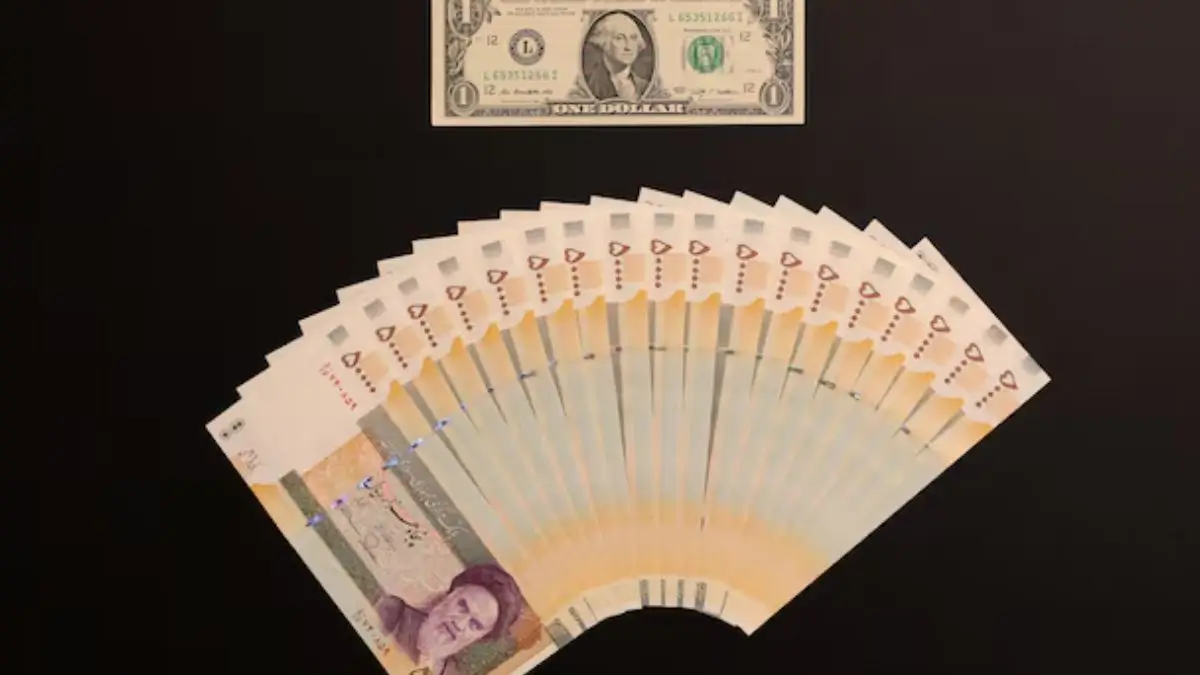
In a major monetary reform, Iran’s parliament has approved a plan to remove four zeros from its national currency, the rial, in a phased transition over the coming years. The move is aimed at simplifying everyday transactions and financial statements in the wake of prolonged inflation exceeding 35%, which has severely devalued the rial.
Why This Reform?
- Years of economic instability and sanctions have pushed Iran’s free market exchange rate to 1,150,000 rials per US dollar, making even basic purchases and accounting unwieldy.
- According to currency trackers, this excessive denomination has created logistical challenges in issuing, reading, and using banknotes.
- The head of the Iranian parliament’s economic commission, Shamsoldin Hossein, explained that the redenomination aims to make the rial more practical and manageable for daily use, not an attempt to increase its real value.
Implementation Timeline
- The Central Bank of Iran has up to two years to prepare the necessary groundwork.
- A three-year transition period will follow, during which both the old and new denominations will remain in circulation.
- The currency will continue to be called the rial, contrary to earlier proposals to rename it.
- This gradual approach is designed to avoid sudden shocks and allow businesses and individuals to adjust their accounting and transaction systems.
Public & Political Reactions
The move, although administrative in nature, has sparked debate,
- Supporters argue it will modernize financial operations, make prices easier to read, and align Iran’s currency with international standards.
- Critics, like MP Hossein Samsami, claim that “a currency’s prestige isn’t revived by removing zeros” but rather by strengthening its actual value through sound economic policies.
- The decision mirrors actions taken by other inflation-hit nations such as Venezuela, which has carried out similar redenomination efforts but continued to face economic instability due to lack of structural reforms.
Strategic Implications
- This monetary change is symbolic of Iran’s ongoing effort to manage hyperinflation, improve financial legibility, and reduce the psychological impact of a weakened currency.
- However, experts emphasize that without controlling core inflation drivers, such as fiscal deficits, exchange rate volatility, and external sanctions, the reform alone will not stabilize the economy.
Static Facts
- Country: Iran
- Currency: Rial
- Current Exchange Rate (Free Market): ~1,150,000 rials per USD
- Reform: Removal of four zeros from the rial
- Parliament Approval: October 2025
- Transition Period: 3 years after 2-year preparation phase


 WTO 14th Ministerial Conference Conclude...
 Former Suriname President Chandrikapersa...
 No Social Media for Kids Under 16: Indon...