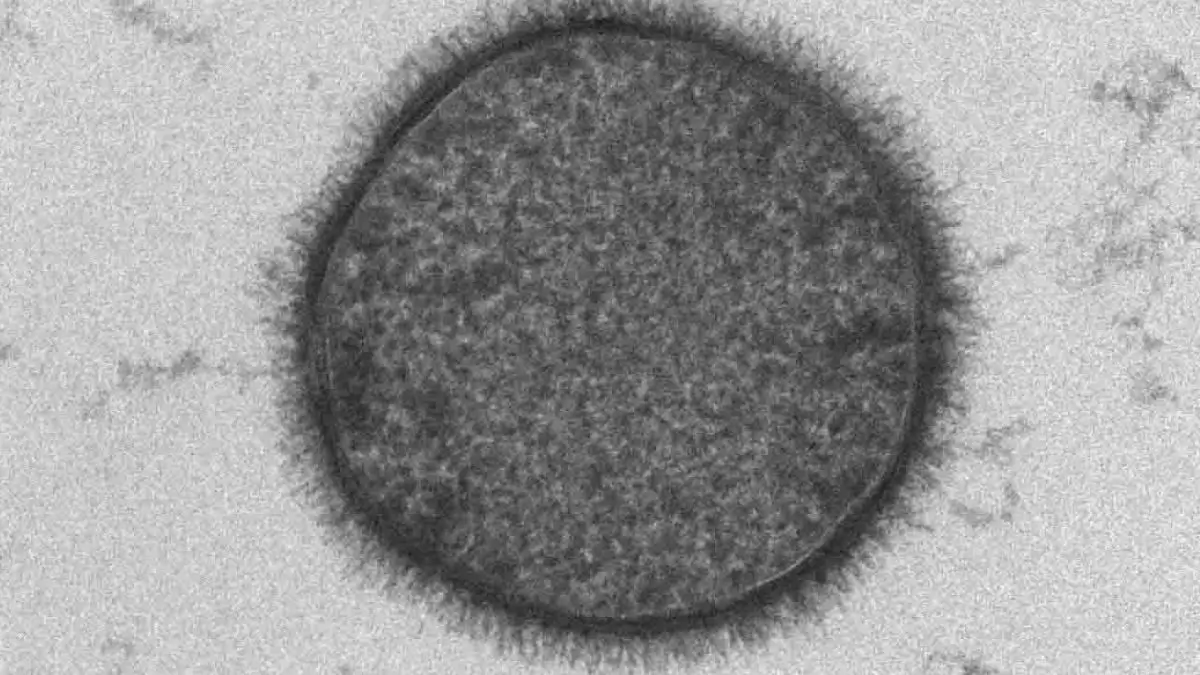
Kerala has taken a unique and science-driven step by officially recognizing a microorganism as part of its state identity. In a first-of-its-kind initiative in India, the State government has highlighted the importance of microbes in everyday life, ranging from human health to agriculture and environmental sustainability.
Why in News?
Kerala has officially declared Bacillus subtilis as its State Microbe, becoming the first Indian state to accord such recognition to a microorganism.
What is Bacillus subtilis?
- Bacillus subtilis is a beneficial probiotic bacterium commonly found in soil, fermented foods, and the human gut.
- It is widely studied for its role in improving gut health, boosting immunity, enhancing soil fertility, and controlling plant diseases.
- Due to its resilience and ability to form spores, it is extensively used in pharmaceuticals, food processing, and sustainable agriculture.
- Its recognition reflects Kerala’s intent to highlight microbes as silent contributors to human well-being and ecological balance.
Official Declaration and Historic First
- The declaration was made by Pinarayi Vijayan at a public function in Thiruvananthapuram.
- With this move, Kerala has created a national precedent, formally acknowledging the importance of microorganisms in governance and development.
- The decision symbolises a shift from conventional symbols like animals and birds to scientific and knowledge-based identifiers, aligning with the state’s long-standing emphasis on education and research.
Centre of Excellence in Microbiome (CoEM)
- The announcement coincided with the launch of the Centre of Excellence in Microbiome (CoEM), a dedicated institution to advance microbiome research.
- The centre aims to study how microorganisms influence human health, nutrition, immunity, agriculture, fisheries, and environmental conservation.
- According to the State government, Bacillus subtilis plays a key role in disease control and productivity enhancement, and products developed from such microbes could emerge as high-value economic assets for Kerala.
Institutional Framework Behind the Initiative
- The CoEM operates under the Kerala State Council for Science, Technology and Environment in collaboration with the Kerala Development and Innovation Strategic Council.
- It is the first institution in India to integrate microbiome-based translational research across multiple sectors under one umbrella.
- This integrated approach is expected to bridge laboratory research with real-world applications, supporting Kerala’s vision of innovation-led development.
Importance of Microbiome Research
- Microbiome research focuses on understanding the interaction between microorganisms and their environments, including the human body.
- Such research has global significance in tackling antibiotic resistance, lifestyle diseases, soil degradation, and climate stress.
- By choosing Bacillus subtilis, Kerala has spotlighted a microbe that is already well-established in scientific research and practical applications, making the initiative both symbolic and functional.
Key Summary at a Glance
| Aspect | Details |
| Why in News? | Kerala declared its first-ever State Microbe |
| State Microbe | Bacillus subtilis |
| Significance | First Indian state to recognise a microorganism |
| Associated Institution | Centre of Excellence in Microbiome |
| Key Focus Areas | Health, agriculture, sustainability |
| Apex Science Body | Kerala State Council for Science, Technology and Environment |
Question
Q. Which Indian state became the first to declare an official State Microbe?
A. Tamil Nadu
B. Karnataka
C. Kerala
D. Telangana


 India's First Quantum Computer to be Lau...
 India Strengthens Marine Research with B...
 AP Science City Signs 5-Year MoU with CS...