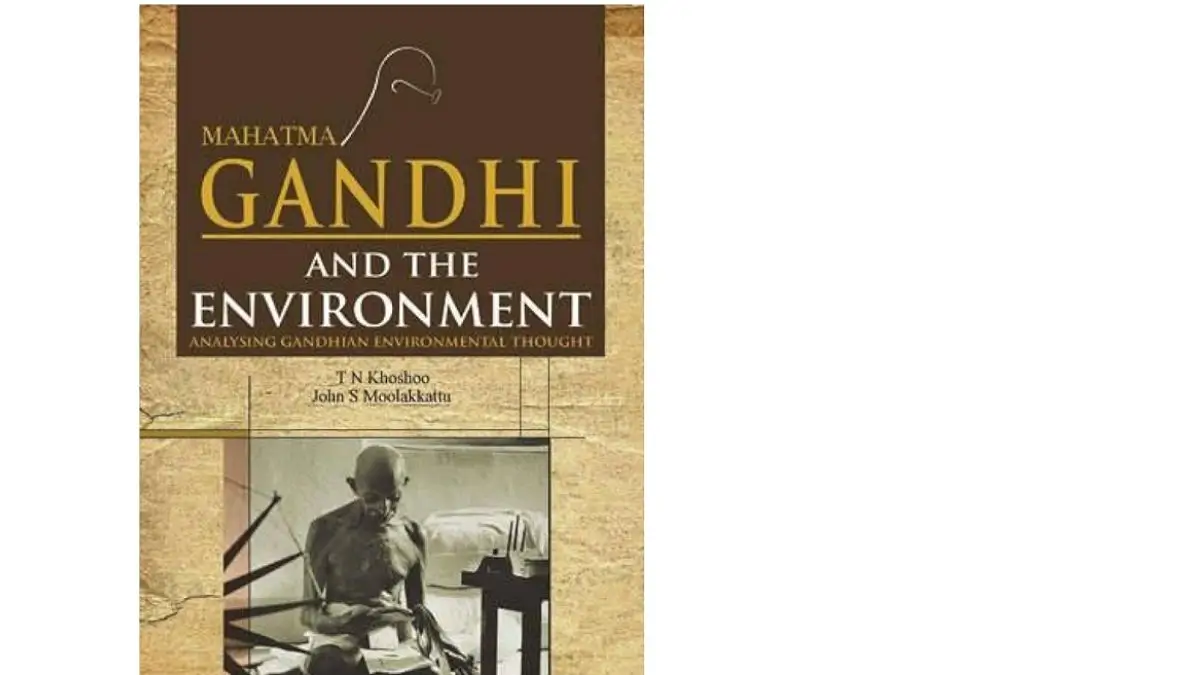
As the world grapples with the dual crises of climate change and resource depletion, the environmental philosophy of Mahatma Gandhi offers profound insights. In “Mahatma Gandhi and the Environment: Analysing Gandhian Environmental Thought”, renowned environmental scientist T.N. Khoshoo compiles Gandhi’s core ecological ideas and contextualizes them for modern challenges. With a foreword by Dr. R. K. Pachauri, former Chairman of the Intergovernmental Panel on Climate Change, the book is both a tribute to Gandhi’s foresight and a call to return to sustainable values.
Gandhi’s Philosophy of Environmental Stewardship
- Gandhi’s environmental thought was rooted in simplicity, minimalism, and a deep sense of interconnectedness between humans and nature.
- He believed that true development should not come at the cost of environmental degradation or social injustice.
- He famously warned, “The earth has enough for everyone’s need, but not for everyone’s greed,” highlighting the dangers of over-consumption long before the term “climate change” became mainstream.
Key Themes in the Book
- Nature and Humankind: Gandhi saw nature not as a resource to be exploited but as a living entity deserving of respect and restraint.
- Sustainable Resource Use: He advocated for using natural resources sparingly, ensuring they remain available for future generations.
- Village-Centric Development: Gandhi considered the village and the villager as the heart of India’s sustainability.
- Rural and Industrial Synergy: The book stresses the need for balancing industrial progress with rural upliftment, aligning with Gandhi’s vision of self-reliant communities.
- Western Industrialism: Gandhi critiqued unbridled industrialization for its exploitative and alienating impact on both people and the planet.
Gandhi’s Relevance in the Climate Era
Gandhi’s ideas resonate strongly in the context of today’s environmental crises,
- Minimalist living can reduce carbon footprints and promote resource equity.
- Decentralized economies, as advocated in Hind Swaraj, offer a model for resilient, localised production systems.
- His emphasis on self-restraint and moral responsibility counters the current model of unchecked growth.
- The book also examines Gandhi’s positions on related issues like gender roles in society, Dalit empowerment, and conflict resolution, all within a framework that prioritizes ecological balance.
Integrating Gandhian Values into Policy
Khoshoo’s work encourages a reorientation of development policies to reflect Gandhian values. Key suggestions include,
- Prioritizing rural development alongside industrial growth
- Promoting eco-friendly technologies that are accessible to small communities
- Encouraging community-based resource management
- Adopting Gandhian non-violence (Ahimsa) as an ecological ethic
- By weaving these ideas into modern governance, a more inclusive, equitable, and sustainable future becomes achievable.
Selected Highlights from the Book
- Yogic practice and the environment: Connecting mental discipline with ecological awareness
- Satyagraha as conflict resolution: Applying peaceful resistance to environmental activism
- Gandhi and decentralization: Advocating for bottom-up governance and local empowerment
- Gandhi and the Dalit question: Linking environmental justice with social justice
- The inclusion of selected quotes by Gandhi on environment and development makes this book a rich resource for both academic study and ethical reflection.
Key Static
- Book title: Mahatma Gandhi and the Environment, by T.N. Khoshoo
- Foreword by Dr. R. K. Pachauri (TERI & IPCC)
- Key concepts: ecological living, resource minimalism, village economy, decentralization
- Relevance: Aligns with SDGs, environmental ethics, and sustainable policies
- Linked themes: Satyagraha, Dalit empowerment, critique of Western industrialism


 CM Bhupendra Patel Releases Gujarati Bio...
 VP C. P. Radhakrishnan Unveils 'Atal Bih...
 Four Stars of Destiny: An Autobiography ...