
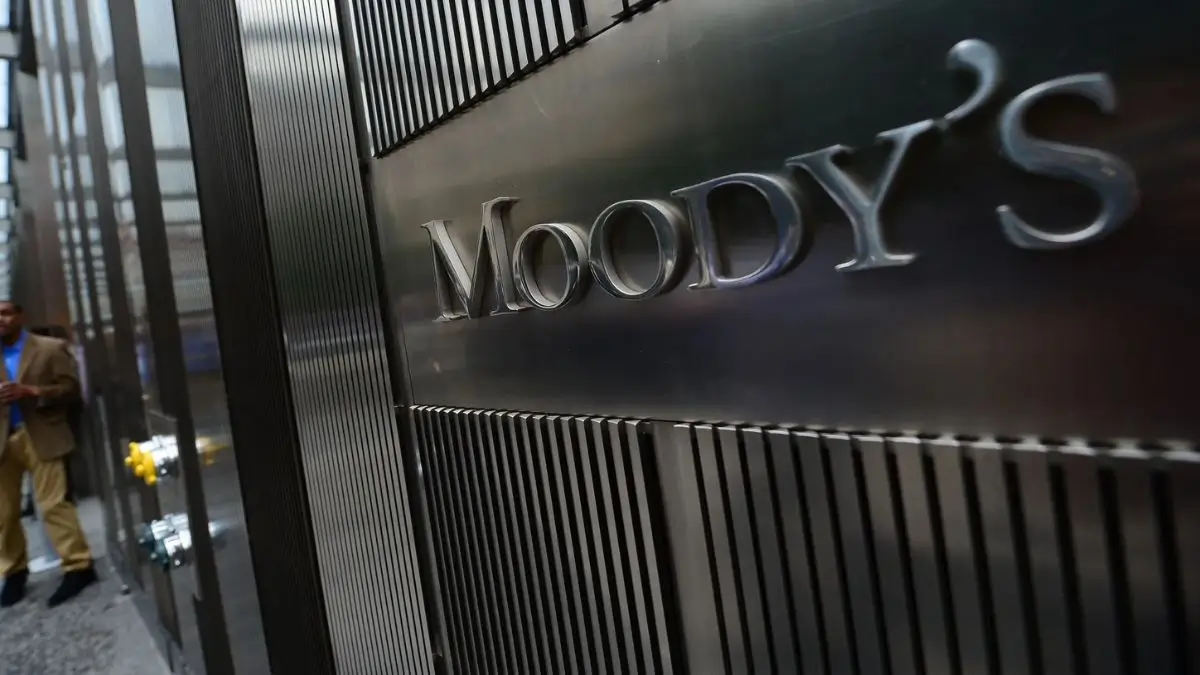
Rating agency Moody has lowered the India’s economic growth for the FY27. Moody’s have projected the GDP growth forecast to 6% and it was down from the earlier estimate of 6.8%. This revision comes in the backdrop of the escalating tensions in the West Asia conflict. Because West-Asia conflict disrupting the critical energy supplies. As India heavily dependent on the imports for crude oil and LPG. ,These effects are clearly visible in the rising fuel costs, inflation concerns and the pressure on household consumption.
Why Moody’s Cut India’s GDP Forecast
The fall in the economic outlook showcase the growing concerns over the geopolitical instability which is affecting India’s macroeconomic fundamentals. The conflict in West Asia triggered the sharp increases in global oil prices.
India’s dependence is significant for this region. As around 55% of crude oil imports come from the region and also the over 90% of the LPG supplies are sourced from West Asia. Due to these disruptions Moody expects the weaker private consumption and slower industrial activity. Also it will reduced the investment momentum.
With these factors are collectively contributing to the moderating growth in FY27.
Inflation Risks Rising: Fuel, Food and Beyond
One of the most quick impacts of the conflict is on inflation. Moody’s has projected that inflation set to rise to 4.8% in FY27 which is compared to 2.4% in FY26.
The reasons are interconnected as higher fuel and transport costs and also the disruptions in LPG supplies causing household shortages.
Also the increased fertilizer prices will be leading to the food inflation.
What Could RBI and Government Do?
As the inflation risks are re-emerging policymakers to face a delicate balance between the controlling prices and supporting growth.
Possible responses include the,
- The Reserve Bank of India (RBI) may hold or gradually raise the interest rates.
- The government may increase the subsidies on fuel and fertilizers.
- Continued focus on capital expenditure to support the growth.
Fiscal Pressure and Revenue Challenges
This conflict is also expected to strain the government finances.
Key concerns include the,
- Rising subsidy burden due because of expensive oil and fertilizers
- Also it reduced tax revenues from fuel duty cuts
- And the lower GST and corporate tax collections due to weaker demand
Other Forecasts Align with Moody’s
Moody’s is not alone in to expressing caution. Other global and domestic rating agencies have also revised their projections for India.
- OECD have estimates 6.1% growth
- EY also suggest the growth may fall by 1 percentage point if the conflict persists for steady time.
- ICRA have also projects the 6.5% growth.


 A Smarter Tax System: AI-Powered 'Kar Sa...
 India Forex Reserves Fall by $30.5 Billi...
 IRDAI Retains The Systemically Important...











