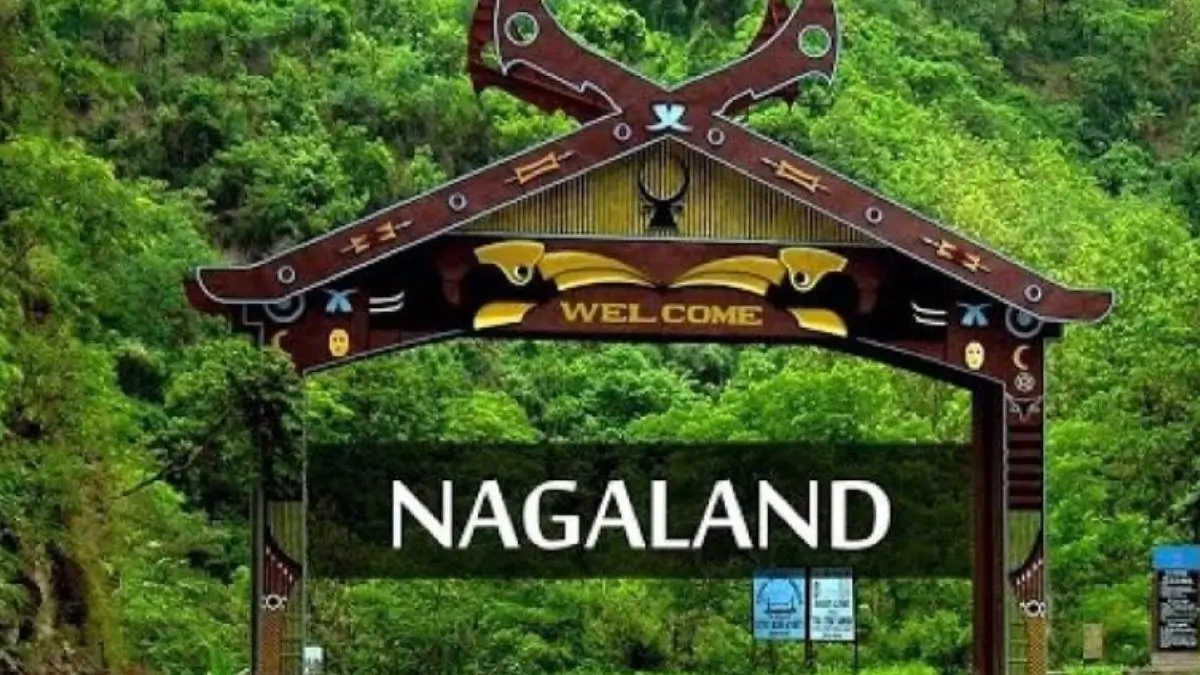
Nagaland, located in India’s culturally diverse Northeast, attained statehood on 1 December 1963 following the passage of the State of Nagaland Act, 1962. Since then, the state has played a significant role in promoting indigenous culture, biodiversity conservation, and peace-building within the region. Celebrations on Statehood Day highlight both the state’s historical journey and its contemporary contributions, reflecting the resilience and unity of the Naga people.
Historical Background Of State Formation
- After India’s independence in 1947, the Naga-inhabited region remained part of Assam.
- Rising nationalist sentiment among Naga tribes led to demands for autonomy and, at times, secession.
- In 1957, the Naga Hills district of Assam and Tuensang Frontier Division were administratively merged under direct Central control.
- In 1960, it was agreed that Nagaland would become a full-fledged state within the Indian Union.
- 1963: Nagaland formally became India’s 16th state, and the first elected government assumed office in 1964.
Geographical Profile
Location: Northeastern India
Boundaries
- Arunachal Pradesh (Northeast)
- Assam (West)
- Manipur (South)
- Myanmar (East)
Capital: Kohima
Climate: Monsoonal (wet–dry), with 70–100 inches of annual rainfall, mainly from May to September.
Tribal Diversity
Nagaland is home to 16 major tribes, each with distinct traditions, languages, and cultural practices.
Major Tribes
- Konyak (largest)
- Ao
- Tangkhul
- Sema
- Angami
Protected Areas
Nagaland’s biodiversity is safeguarded through multiple protected zones:
- Intanki National Park
- Singphan Wildlife Sanctuary
- Pulie Badze Wildlife Sanctuary
- Fakim Wildlife Sanctuary
Natural Beauty & Ecological Wealth
With lush hills, rich biodiversity, and serene landscapes, Nagaland remains a prime example of harmonious existence between people and nature.
IN FOCUS: Ecological Highlights
- Dzukou Valley – celebrated for its captivating seasonal blooms.
- Intanki National Park – a biodiversity hotspot.
- Sustainable Local Practices – community-led conservation traditions.
Economy
Agriculture is the primary livelihood—employing about 90% of the population.
Major crops include,
- Rice (staple crop)
- Maize, millets
- Pulses
- Oilseeds
- Sugarcane, potato, tobacco
Hornbill Festival
Overview
- Held yearly from 1st to 10th December.
- Named after the Hornbill, one of the most revered birds in Naga culture.
- Launched in 2000 to promote tourism and preserve traditional practices.
Known as the “Festival of Festivals”, it features,
- Tribal dances
- Folk music
- Traditional sports
- Handicrafts & arts
- Indigenous cuisine
Key Points
- Nagaland became the 16th state of India in 1963.
- Statehood Day: 1 December; also the start of the Hornbill Festival.
- State Animal: Mithun
- State Bird: Blyth’s Tragopan.
- Known for tribal diversity, jhum cultivation, and rich biodiversity.
- Protected areas include Intanki NP and Singphan WLS.
- India has 9 hornbill species; many are threatened.
- Great Hornbill is native to the Western Ghats and parts of the Himalayas.


 World Health Day 2026 - Theme, Date, Sig...
 List of Important Days in April 2026, Na...
 International Day of Sport for Developme...