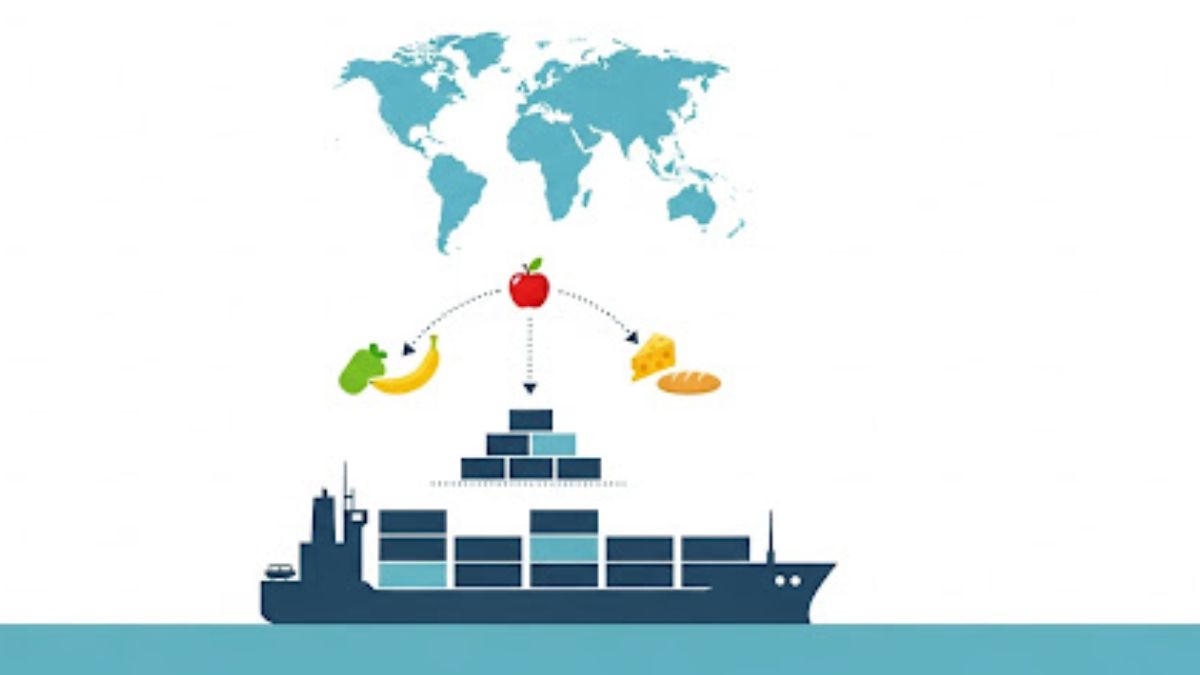
In a significant step towards strengthening bilateral trade, a high-level delegation from the Philippines has agreed to increase imports of key Indian food products, including rice, buffalo meat, vegetables, fruits, and peanuts. The agreement follows discussions with the Agricultural and Processed Food Products Export Development Authority (APEDA) and the Indian Rice Exporters Federation (IREF).
A Strategic Move to Diversify Supply Chains
The Philippines’ delegation, led by Secretary of Agriculture Francisco P. Tiu Laurel Jr., met with Indian trade representatives to deepen agricultural cooperation. The move aims to reduce dependence on Chinese products, enhance food security, and foster stronger Indo-Philippine economic relations.
The discussions resulted in a commitment to prioritize imports from India, helping diversify the Philippines’ supply base amid evolving global trade dynamics.
Lifting Restrictions on Basmati Rice Imports
One of the most notable outcomes of the meeting was the Philippines’ decision to remove restrictions on the import of Basmati rice. This move is expected to significantly boost India’s premium rice exports and give Filipino consumers greater access to high-quality Indian rice varieties.
“Key areas of cooperation were addressed in detail, resulting in an agreement from the Philippine government to eliminate restrictions on Basmati rice imports.”
Economic and Trade Benefits
This agreement is poised to,
- Strengthen Indo-Philippine trade ties by expanding agricultural exports.
- Enhance food security in the Philippines through reliable sourcing from India.
- Boost India’s agricultural export revenues, particularly in premium rice, buffalo meat, and processed food products.
- Support supply chain diversification away from over-reliance on Chinese agricultural imports.
A Win-Win for Both Economies
The deal marks a key development in Indo-Philippine relations and reflects both nations’ intent to work together in agriculture, trade, and economic growth. With global supply chains facing uncertainty due to geopolitical shifts, such partnerships are becoming increasingly vital.
The agreement would contribute to “improved food security, economic expansion, and diversified trade” between the two nations.


 Strait of Hormuz Crisis: 22-Nation Coali...
 Cuba Blackout 2026: Causes, Impact &...
 Strait of Hormuz Blockade 2026 Who Is Al...