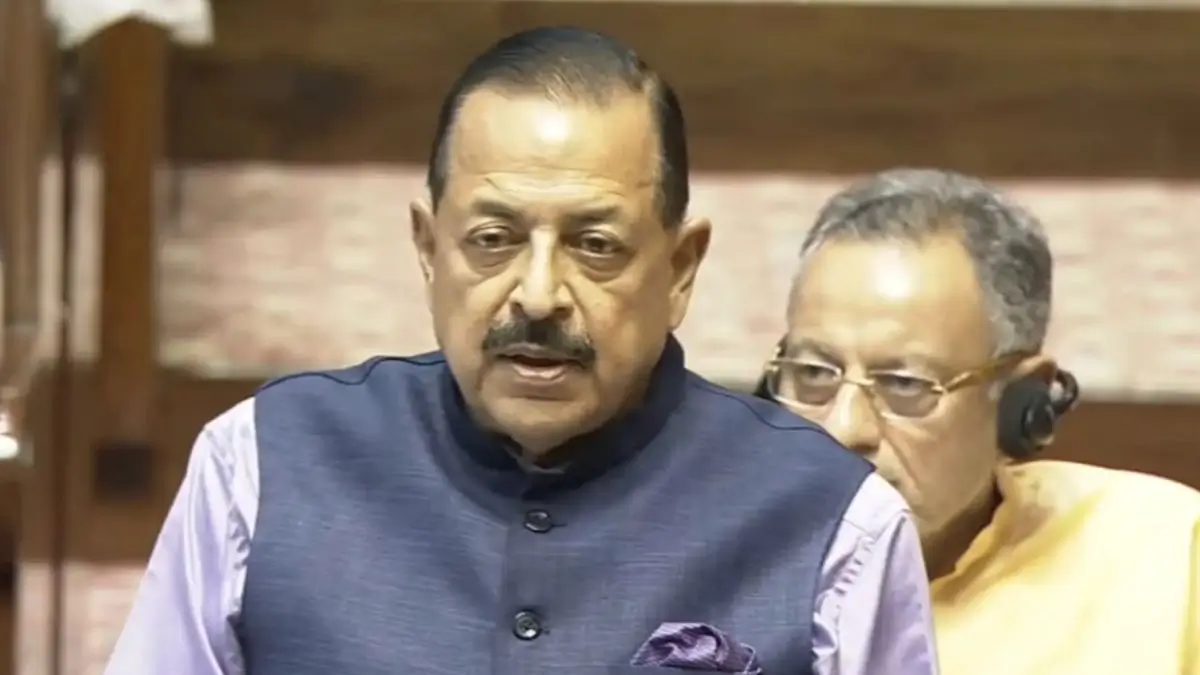
Parliament has cleared the Public Examinations (Prevention of Unfair Means) Amendment Bill of 2026 after its approval by Rajya Sabha following passage in Lok Sabha. The purpose of the legislation is to strengthen the fight against examination paper leaks and organized cheating by provisions for severe punishments, time-bound investigation and creation of Special Fast Track Courts for cases of cheating and paper leaks. The move comes at a time when there are fears regarding emblematic cases of repeated irregularities in exams that have affected millions of students.
What is the Anti-Paper Leak Amendment Bill 2026?
The Public Examinations (Prevention of Malpractice) Amendment Bill, 2026 amends the existing law to enhance the measures against paper leakages, and organized examination rackets, along with the technological abuses related to the public examinations.
The aim of the legislation is to regulate the recruitment and entrance examinations in a fair and unbiased manner to secure the interests of the students and preserve the credibility of the examination system of India.
Having received the approval from both the Houses of Parliament, the Bill is now awaiting the Presidential assent to become an Act.
Why Was the Amendment Introduced?
Paper leaks and examination malpractices have caused the disruption of many prominent recruitment and entrance exams in the recent past and created uncertainties for many aspirants.
The Amendment was introduced by the government to,
- Strengthen deterrence against organized cheating.
- Ensure quicker investigation and prosecution.
- Enhance transparency in public examination.
- Protect deserving candidates from unfair means.
- Increase public confidence in the conduct of recruitment and entrance exams.
Key Provision of the Bill
With the introduction of the amended law, the enforcement of violation pertaining to examination malpractice will now be improved.
Harsher Punishment
With regard to punishing perpetrators of malpractice through unfair means, the Bill has increased penalties significantly from,
- Previously: 3-5 years
- Now: Minimum 5 years, can be extended to a maximum of 10 years
Larger fines
As far as the applicable penalties are concerning, the amount of fines has increased significantly from:
- 10 lakh rupees to 50 lakh rupees for offenders in the examination fraud cases.
Stricter Measures for Service Providers
If companies or service providers are found guilty of helping the offenders of irregularities,
- The maximum fine will go up to 5 crores.
- The ban on public service examinations will be increased from 4 to 8 years.
Tougher Measures Against Organized Crime
In the case of the organized violations, the following penalties were introduced,
- Minimum punishment increased from 5 to 7 years.
- Maximum punishment remains 10 years.
- Maximum amount is increased from 1 crore to 10 crores.
Fast Track Investigation and Trial
The key feature of the amendment is the introduction of timelines for judicial procedures.
The Bill envisages,
- Investigations to be carried out within two months.
- Trials to be completed in three months from the date of filing the charge-sheet.
- Sessions Courts to be designated as Special Fast Track Courts.
- Special Public Prosecutors to be appointed for every Fast Track Court.
The aim behind these measures is to deliver faster justice and minimize delays in investigation-related cases.
Special Task Force for Exam Offences
This law allows the Central Government to form a Legal Council that will investigate examination-related crimes.
The Legal Council will be responsible for,
- Coordinating the investigation of such crimes.
- Monitoring the activities of syndicates involved in examination crime.
- Providing necessary assistance to state agencies in complicated cases.
- Improving enforcement against technological cheating.
Stand of Government
While speaking in the Rajya Sabha, Jitendra Singh, MoS, said that examination integrity is an issue that has an impact on every family in the country.
According to Singh, the amendment shows that the government is determined to protect students from injustice and unfair practices in exams. He added that reforms made under the National Education Policy (NEP) 2020 constitute a landmark achievement in education.
As stated by the government, the total number of universities has risen from 760 to 1,293. In addition, around 400 Eklavya Model Residential Schools are functional at the moment.








 India’s Internet Subscribers Cross 1.1...
 JOSH Campaign Launched to Support Indiaâ...
 PM GatiShakti Completes Five Years: Obje...