
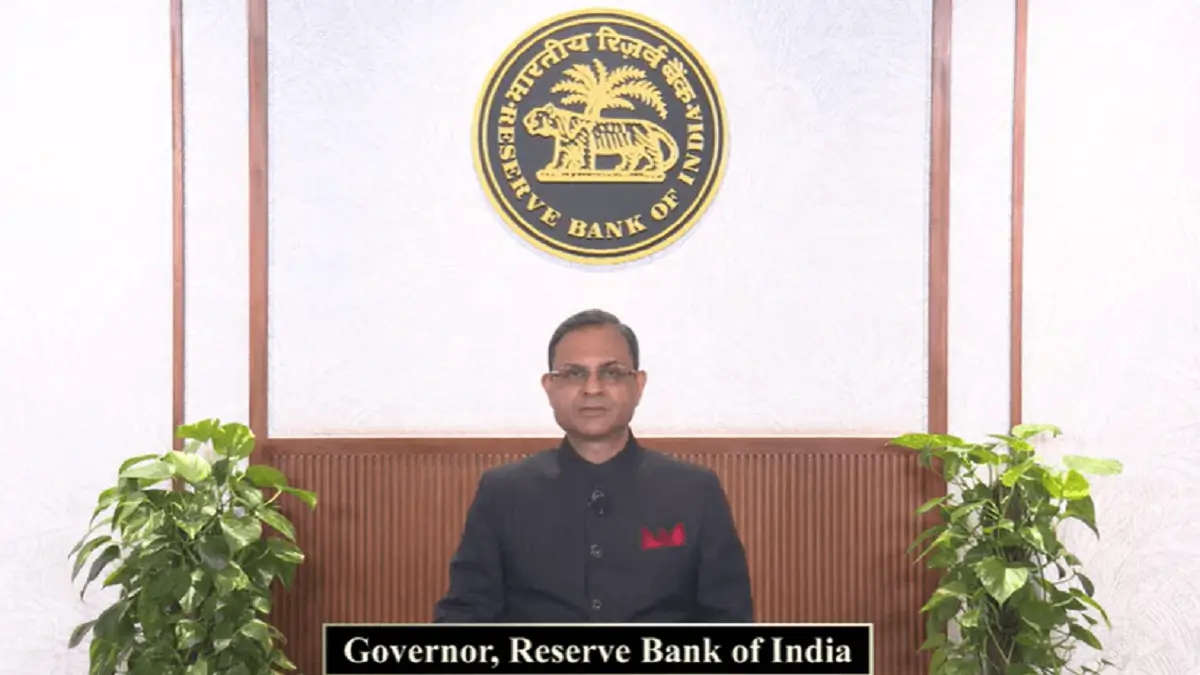
Under Section 45ZL of the Reserve Bank of India Act, 1934, every quarter, India’s Monetary Policy Committee (MPC) meets to decide how interest rates should move. These decisions shape borrowing costs, loan EMIs, business investments and the price of money in the economy.
From December 3 to 5, 2025, the MPC held its 58th meeting. Led by RBI Governor Shri Sanjay Malhotra, it was attended by:
- Dr. Nagesh Kumar
- Shri Saugata Bhattacharya
- Prof. Ram Singh
- Dr. Poonam Gupta
- Shri Indranil Bhattacharyya
Together, they assessed domestic and global data, inflation behaviour, growth conditions and financial market signals before giving India a fresh monetary direction.
The Big Decision: A Rate Cut to Push Growth
After analysing numbers and risks, the MPC unanimously reduced the key policy rate — the repo rate — to 5.25%. This is the interest rate at which RBI lends to commercial banks and serves as India’s benchmark policy rate.
Other policy rates shifted accordingly:
- Standing Deposit Facility (SDF) moved down to 5.00%
- Marginal Standing Facility (MSF) and the Bank Rate now stand at 5.50%
Despite cutting rates, the RBI kept its stance neutral, meaning it remains neither biased towards easing nor tightening — future decisions will depend on data trends. One interesting disagreement emerged: Prof. Ram Singh felt the stance should shift to accommodative, signalling stronger support. This highlights how monetary policy involves judgement, debate and interpretation.
Understanding Why MPC Cut Rates
The RBI faces a classic challenge — inflation versus growth. Normally, high inflation prevents rate cuts and forces monetary tightening. However, India entered a rare moment:
- Inflation was at a historic low
- Growth was strong but starting to soften
This meant there was room for policy support. A lower repo rate reduces borrowing costs, encourages investment and can sustain growth momentum. The MPC therefore acted before early signs of slowdown became sharper.
Global Context: Recovery with Warning Signals
MPC discussions placed heavy emphasis on global developments:
- The world economy is holding up better than earlier forecasts
- The US shutdown ended, easing uncertainty
- Some trade agreements progressed
Yet risks remain elevated. Global inflation trends are uneven — advanced economies still face pressures. The US dollar strengthened due to safe-haven flows, while equity markets became volatile, reacting to changing expectations of monetary policy and fears about tech valuations.
This backdrop matters because India’s export sector depends on global demand and risk sentiment.
India’s Growth Story: A Strong Headline with Early Soft Spots
India’s economic performance impressed policymakers. In Q2 2025-26, GDP grew 8.2%, a six-quarter high. GVA growth stood at 8.1%, supported by industry and services.
What contributed to this momentum?
- GST rationalisation improved tax efficiency
- Lower crude oil prices reduced costs
- Government front-loaded capital expenditure
- Monetary conditions were supportive
- Corporate and banking balance sheets strengthened
High-frequency indicators in Q3 showed continued resilience, driven by festival demand, solid rural spending and a revival in private investment. However, some cracks emerged — merchandise exports fell sharply as external demand weakened, and services exports became softer.
Looking Ahead: What Will Drive Growth?
The MPC expects strong domestic drivers to continue:
- Good agriculture prospects
- Impact of GST reforms
- Sound corporate finances
- Lower inflation and easier credit conditions
On the external front:
- Services exports may remain steady
- Merchandise exports face pressure
For FY 2025-26, the RBI projects GDP growth at 7.3%.
Quarterly expectations are:
- 7.0% in Q3
- 6.5% in Q4
Growth for the first half of next financial year is expected around 6.7–6.8%, showing moderation but continued strength.
Inflation: The Story Behind the Rate Cut
Inflation — the villain in most rate decisions — finally supported the RBI. October 2025 saw the lowest inflation ever recorded, mainly because food prices corrected sharply, which usually rise during this period.
Core inflation was stable and even more subdued when gold-related inflation was excluded. This gave MPC confidence that inflationary pressures were genuinely easing and not just temporarily.
Inflation Outlook: Still Soft Ahead
Several factors support low inflation ahead:
- Good kharif harvest
- Strong rabi sowing
- Adequate water reservoirs
- Easing global commodity prices
The RBI now projects inflation at 2.0% for FY 2025-26 — much lower than earlier estimates.
Break-up:
- 0.6% in Q3
- 2.9% in Q4
For FY 2026-27, inflation is expected to rise gradually toward the target:
- 3.9% in Q1
- 4.0% in Q2
Importantly, underlying inflation pressures are even lower once precious metal prices are set aside.
Why This Meeting Matters for Students
This meeting offers valuable learning:
- When inflation is low and stable, central banks can support growth by cutting rates.
- Neutral stance means RBI is keeping options open.
- Monetary policy is forward-looking — decisions are made before slowdowns spill over into numbers.
- Domestic conditions can justify easing even if global uncertainty persists.
These concepts help aspirants understand why interest rates move and how central banks balance competing priorities.


 Vinay Tonse Takes Charge as MD & CEO...
 India Records All-Time High UPI Transact...
 New ATM Rules in India 2026: Daily Limit...











