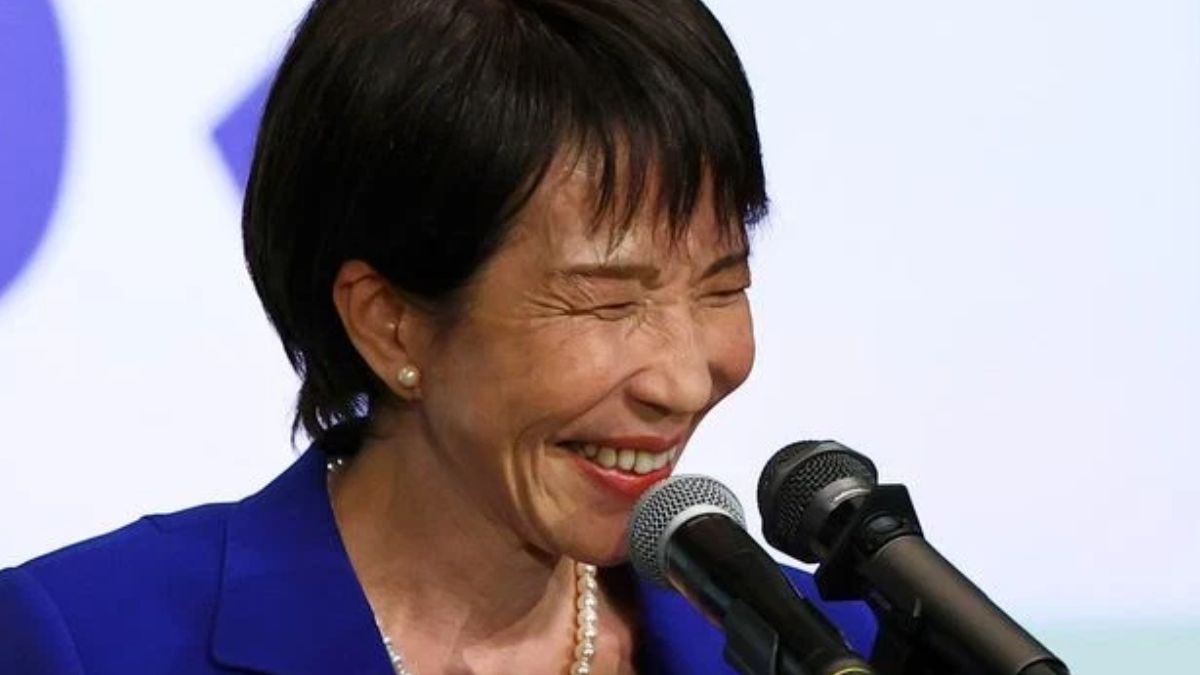
In a moment of historic significance, Sanae Takaichi has been elected as Japan’s first female prime minister, shattering one of the world’s most enduring political glass ceilings. On October 21, 2025, she secured 237 votes in the 465-seat Lower House of Parliament, becoming Japan’s 104th prime minister, succeeding Shigeru Ishiba, who resigned last month following electoral setbacks.
Takaichi’s rise not only represents a symbolic victory for gender representation but also signals a sharp ideological pivot to the right in Japanese politics, aligning closely with the legacy of her mentor, former Prime Minister Shinzo Abe.
A Hardline Conservative with Thatcherite Admiration
A known conservative and a long-time member of the Liberal Democratic Party (LDP), Takaichi has modelled much of her political outlook on Margaret Thatcher and Shinzo Abe. She has consistently advocated for,
- Stricter immigration policies
- Traditional family values
- A tougher national security stance
- Reinterpretation of Japan’s pacifist constitution
Her ascent was made possible through a coalition deal with the right-wing Japan Innovation Party (Ishin), reached just a day before the vote. This coalition reflects her intent to push a more assertive domestic and foreign policy agenda.
Economic Implications: The “Takaichi Trade”
Takaichi’s election has already impacted Japan’s financial markets. Her perceived support for government stimulus measures to combat economic sluggishness led to a surge in investor confidence, with the Nikkei index hitting record highs — a phenomenon dubbed the “Takaichi Trade”.
Like Abe, she is expected to embrace fiscal expansion to drive growth. However, critics warn that applying Abenomics-style stimulus during an inflationary period could,
- Further weaken the yen
- Increase government debt, already one of the highest among developed economies
- Fail to address the root causes of rising living costs
According to political analyst Tadashi Mori, while Takaichi has enough support to form a government, she lacks a clear parliamentary majority and will need to negotiate with other opposition lawmakers to control key legislative committees.
Social Significance: Breaking the Gender Barrier
- Takaichi’s election is a milestone for women in Japanese politics, a space long dominated by men. Japan ranks poorly on global gender equality indices, especially in political representation.
- Her rise may inspire a generational shift in perceptions about leadership, though her conservative stance on gender roles has attracted both praise and criticism.
- Her position challenges the notion that progress for women must always come from progressive platforms. For many, her election represents a paradox — a woman breaking barriers through a traditionally male-dominated conservative framework.


 WTO 14th Ministerial Conference Conclude...
 Former Suriname President Chandrikapersa...
 No Social Media for Kids Under 16: Indon...