
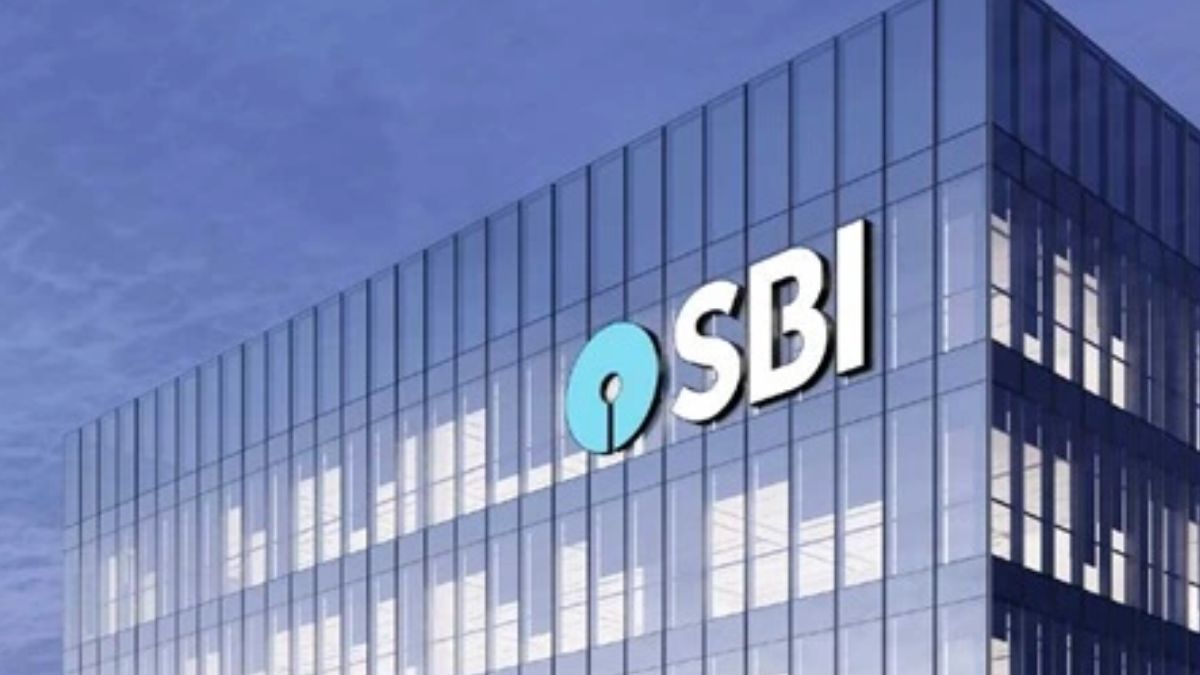
The State Bank of India (SBI) achieved a historic milestone on July 22, 2025, by successfully executing India’s largest-ever Qualified Institutional Placement (QIP), raising ₹25,000 crore. The QIP was oversubscribed 4.5 times, indicating robust investor confidence in India’s banking sector and economic trajectory. With strong participation from both domestic institutional investors, including LIC, and foreign investors, this fundraise will strengthen SBI’s capital adequacy and support its credit expansion strategy. The event is highly relevant for competitive exam aspirants, as it combines aspects of banking, capital markets, and economic fundamentals.
Background: Understanding QIP
A Qualified Institutional Placement (QIP) is a mechanism through which a listed company raises capital by issuing equity shares to qualified institutional buyers (QIBs), without undergoing elaborate regulatory processes. Introduced by SEBI in 2006, QIPs are used to infuse capital quickly while ensuring market discipline. In this case, SBI issued shares at ₹817 per share—above the floor price of ₹811.05—demonstrating investor willingness to pay a premium for SBI equity.
Significance of the SBI QIP
The ₹25,000 crore QIP is the largest in Indian capital market history, signaling SBI’s stature and market confidence. The issue attracted 64.3% of demand from foreign investors, highlighting the global faith in India’s growth story. At the same time, two-thirds of the allotment went to domestic institutions, showcasing balanced investor participation. This signals the resilience and attractiveness of India’s banking sector, especially in a period of global financial volatility.
Objectives of the Fundraising
The primary goal of this capital raise is to augment SBI’s Common Equity Tier-1 (CET-1) ratio, which will rise from 10.81% to 11.50% post-issue. The improved CET-1 buffer ensures greater financial stability and regulatory compliance under Basel III norms. Additionally, the capital will enable calibrated credit growth in sectors such as retail, MSME, and corporate lending, which are key drivers of India’s economic recovery and expansion.
Impact and Strategic Outlook
SBI Chairman C.S. Setty described the QIP as a “vote of confidence” in the bank’s fundamentals, digital transformation initiatives, and prudent risk management. The success of the QIP reflects the market’s confidence in SBI’s leadership and its readiness to capitalize on emerging growth opportunities. The fund infusion enhances SBI’s capacity to lend, expand its digital infrastructure, and maintain its position as India’s leading financial institution.


 RBI Plans to Make TReDS Registration Eas...
 World Bank Raises India's FY27 Growth Fo...
 BoB Launches AI-based 'bob SAMVAD' Platf...











