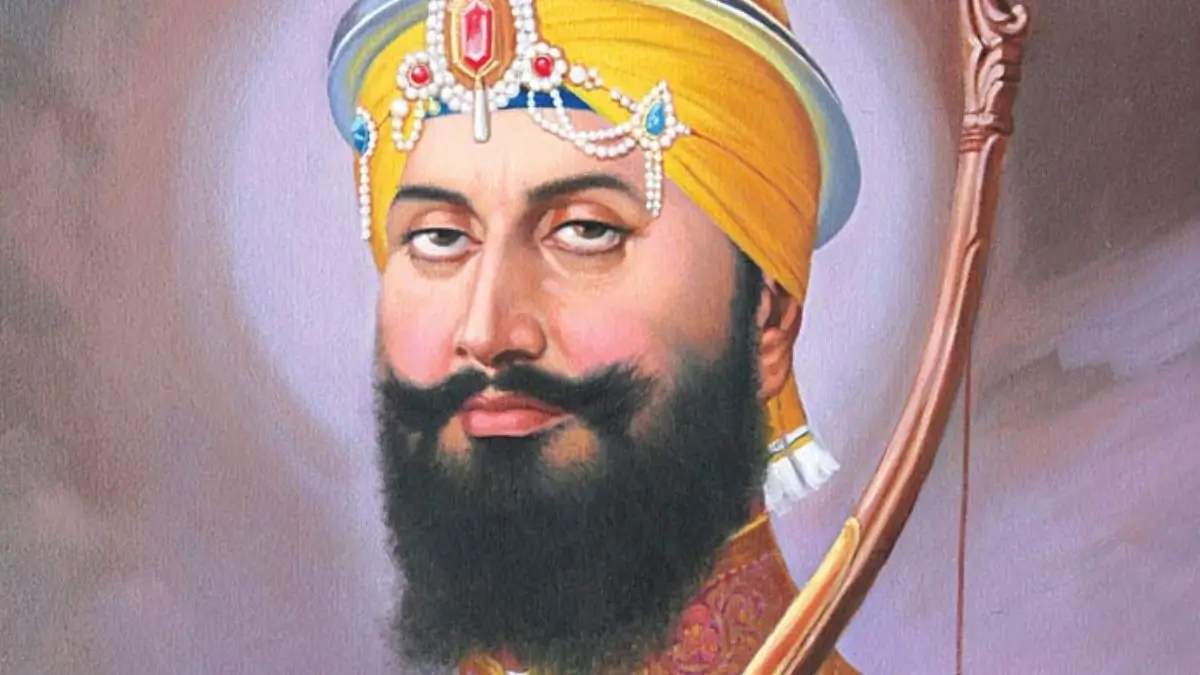
Shaheedi Hafta 2025 observed from 20 December to 27 December, commemorates one of the most heart rending and heroic chapters in Sikh history. Known as the Martyrdom Week, it remembers the unparalleled sacrifices of the four Sahibzade, Mata Gujri Ji, and countless Sikhs who chose faith, righteousness, and dignity over submission to tyranny. These events unfolded during the cold, unforgiving nights of Poh (December 1704) and continue to inspire courage, resilience, and unwavering devotion.
What is Shaheedi Hafta?
Shaheedi Hafta refers to the period in the Punjabi month of Poh dedicated to remembering the martyrdom of the family of Guru Gobind Singh Ji, the tenth Sikh Guru. During this week, Sikhs across the world reflect on the sacrifices of,
- Baba Ajit Singh Ji and Baba Jujhar Singh Ji (Vadde Sahibzade)
- Baba Zorawar Singh Ji and Baba Fateh Singh Ji (Chhote Sahibzade)
- Mata Gujri Ji, mother of Guru Gobind Singh Ji
These sacrifices occurred during the Mughal persecution under Wazir Khan and stand as a timeless testimony to Sikh Sidak (steadfast faith).
Why Shaheedi Hafta is Observed in December
Shaheedi Hafta aligns with December because the historic events took place between 20–28 December 1704 CE (6–14 Poh, 1761 Bikrami). This period marks the evacuation of Anandpur Sahib, the Battle of Chamkaur, the imprisonment in Thanda Burj, and the martyrdom at Sirhind. The freezing weather of Poh amplifies the gravity of the sacrifices, especially those of the young Sahibzade and their elderly grandmother.
Day wise Historical Timeline of Shaheedi Hafta 2025
20 December (6 Poh): Departure from Anandpur Sahib
After a brutal siege lasting over seven months, Guru Gobind Singh Ji left Anandpur Sahib under false promises of safe passage by Mughal and Hill rulers. Despite oaths sworn on the Quran and cow, the enemy betrayed the Sikhs. The Guru’s departure symbolized strategic foresight and moral clarity rather than defeat.
21 December (7 Poh): Separation at River Sarsa
At the flooded River Sarsa, chaos ensued as Mughal forces attacked. The Guru’s family was tragically separated into three groups. Mata Gujri Ji and the two younger Sahibzade were left alone, wandering in the bitter cold an event remembered as “Sarsa Nadi ‘te Vichora”, symbolising both physical and emotional rupture.
22 December (8 Poh): Shaheedi of Vadde Sahibzade
During the Battle of Chamkaur, the two elder sons—Baba Ajit Singh Ji (18) and Baba Jujhar Singh Ji (14)—attained martyrdom while fighting overwhelming Mughal forces. Their courage embodied the Khalsa spirit of “Sava lakh se ek ladaun”, reinforcing that age is no barrier to valor.
23-24 December (9–10 Poh): Betrayal and Sacrifice
Mata Gujri Ji and the younger Sahibzade sought shelter at the home of Gangu, a former servant, who betrayed them for greed. They were arrested and imprisoned. Meanwhile, Bibi Sharan Kaur Ji sacrificed her life while performing the cremation of the Chamkaur martyrs, highlighting the collective bravery of Sikh women.
25 December (11 Poh): Thanda Burj, Sirhind
The young Sahibzade and Mata Gujri Ji were confined in the Thanda Burj (Cold Tower) at Sirhind—without food, bedding, or warm clothing. Despite the freezing conditions, Mata Ji inspired the children through stories of martyrdom and unwavering faith.
26 December (12 Poh): Court of Wazir Khan
The Sahibzade were presented before Wazir Khan, who offered wealth and power in exchange for conversion to Islam. The children, aged only 7 and 9, refused fearlessly. The unjust decree to brick them alive was pronounced, though Sher Muhammad Khan protested the sentence, an act still honoured by Sikhs.
27 December (13 Poh): Shaheedi of Chhote Sahibzade & Mata Gujri Ji
On this day, the younger Sahibzade were bricked alive and later executed. Upon hearing of their martyrdom, Mata Gujri Ji (81) attained martyrdom in the Thanda Burj. This day is now observed as Veer Bal Diwas, symbolising supreme courage and moral victory over tyranny.
28 December (14 Poh): Sanskar (Cremation)
Diwan Todar Mal performed the final rites after purchasing land with gold coins laid on edge—one of the most extraordinary acts of devotion in history.
Significance of Shaheedi Hafta
Shaheedi Hafta represents the moral triumph of faith over force. It underscores,
- The resilience of Sikh values against oppression
- The role of ethical leadership and sacrifice
- The power of spiritual strength over imperial authority
Historically, these events weakened Mughal legitimacy and immortalised the concept of standing against injustice at any cost.
Aftermath and Legacy
When news reached Guru Gobind Singh Ji, he remained composed, declaring that the blood of the Sahibzade had “uprooted the roots of tyranny.” Sirhind became known as “Guru Maari Sirhind”, a symbol of moral condemnation.
The story of Shaheedi Hafta continues to educate generations about human rights, freedom of belief, and resistance to injustice, making it relevant even in modern democratic discourse.
Key Takeaways
- Shaheedi Hafta is observed from 20–27 December, with cremation on 28 December.
- Events took place in December 1704 CE (6-14 Poh, 1761 Bikrami).
- It commemorates the martyrdom of the four Sahibzade and Mata Gujri Ji.
- Battle of Chamkaur is associated with the martyrdom of the Vadde Sahibzade.
- Sirhind and Thanda Burj are linked to the martyrdom of the Chhote Sahibzade and Mata Gujri Ji.
- Veer Bal Diwas (27 December) marks the sacrifice of the younger Sahibzade.
Question
Q. Shaheedi Hafta is also known as:
A. Khalsa Week
B. Veer Bal Week
C. Martyrdom Week
D. Gurpurab Week


 Ordnance Factory Day 2026: India’s Defen...
 World Social Work Day 2026 to Be Observe...
 National Vaccination Day 2026: Why India...