
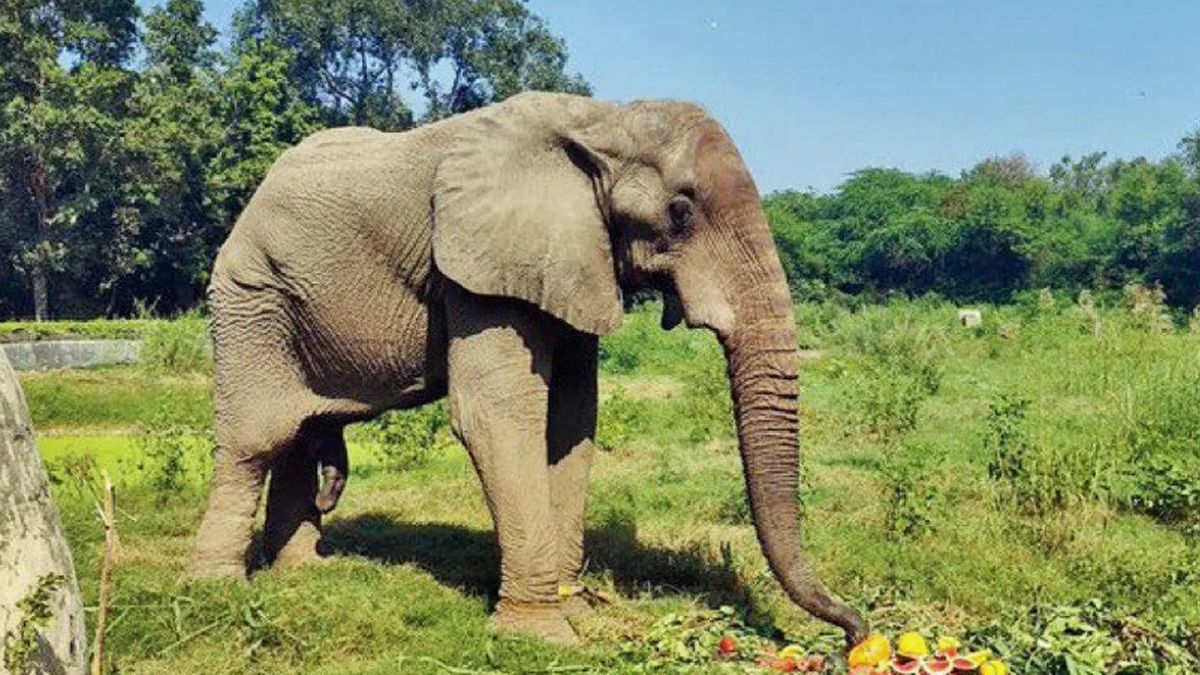
Shankar, the only African elephant in India and a long-time resident of the National Zoological Park in Delhi, passed away on September 17, 2025, after enduring 13 years of solitary confinement. Aged around 30, the male elephant had been separated from other elephants since 2012 and had reportedly shown visible signs of stress, particularly in the days preceding his death. His passing has once again brought the spotlight onto animal welfare concerns in Indian zoos, especially regarding socially isolated animals, inadequate enrichment, and the ethics of long-term captivity.
Who Was Shankar?
- Species: African bush elephant (Loxodonta africana).
- Estimated Age: Around 30 years.
- Arrival in India: Gifted by the Zimbabwean government to India in the late 1990s.
- Residence: National Zoological Park, Delhi.
- Isolation Period: Since 2012, after being separated from Asian elephants.
African elephants are social animals and thrive in herds. Keeping a herd-oriented species in prolonged solitary confinement can cause immense psychological distress, which was evident in Shankar’s declining health.
Timeline of Shankar’s Confinement
- Late 1990s: Shankar arrives from Zimbabwe as a diplomatic gift.
- 2012: Separated from Asian elephants; begins solitary life.
- 2012–2025: Remains isolated with limited physical and mental stimulation.
- Sep 2025: Dies after prolonged illness and food refusal.
Reported Signs of Stress
In the final days,
- Shankar reportedly refused food for 2–3 days.
- Zookeepers noted signs of distress and withdrawal.
- He exhibited stereotypical behavior (repetitive movements indicating mental stress), as observed in many captive elephants.
Animal welfare groups had repeatedly raised alarms about his condition and demanded either better companionship or relocation to a more natural environment.
Legal and Ethical Concerns
The death of Shankar raises questions about,
- Compliance with Zoo Animal Welfare Guidelines.
- The ethical implications of keeping social species in isolation.
- Lack of species-appropriate habitat and stimulation.
- Inaction despite repeated public and NGO pleas for improvement.
Though Indian zoo guidelines discourage solitary confinement for social animals, no corrective action was taken in Shankar’s case over the last decade.
Significance for Conservation and Policy
Shankar’s case is now seen as a landmark example of how zoo reform and animal ethics must evolve in India,
- Encourages debate on whether foreign species should be kept without proper ecosystem replication.
- Urges review of animal exchange policies, especially involving diplomatic gifts.
- Highlights need for scientific zoo management, animal psychology training for staff, and external audits of zoo practices.
Detail Information
- Animal: Shankar, African elephant
- Age: ~30 years
- Zoo: National Zoological Park, Delhi
- Cause of Death: Stress-induced illness, food refusal
- Years in Solitary Confinement:13 years (since 2012)


 Parliament Rejects Impeachment of Chief ...
 Against All Odds: Indian Cyclist Divya S...
 India’s Most Advanced Atomic Reactor Att...











