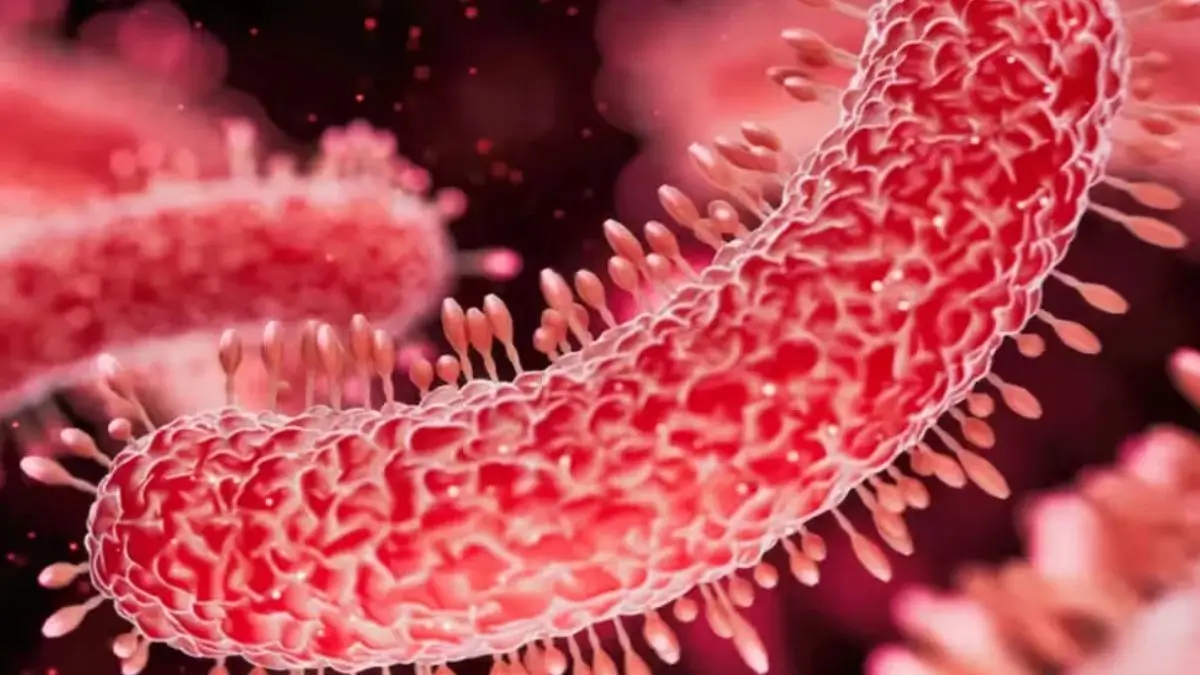
An outbreak of Shigella infections was reported in Kozhikode and Malappuram districts of Kerala in November 2026. This prompted the health department to increase monitoring, food safety and sanitation. The cause of the outbreak has been reported as school children in Vadakara and those who ate food from restaurants in Nilambur. This has highlighted the importance of safe drinking water, food hygiene, good sanitation and early treatment of cases to help prevent water and food borne diseases.
Shigella Outbreak in Kozhikode & Malappuram
1. Malappuram District
Three individuals who had eaten food from restaurants in Nilambur were diagnosed with Shigella infections. These included a 4 year old girl who had eaten Alfaham from a shop in Amarambalam. Two others had eaten Mandi from a restaurant in Palunda.
Around 23 individuals presented with symptoms such as diarrhoea, vomiting and stomach pain. They were treated in hospital. The health department and panchayat officials visited the suspected food businesses. Illegal restaurants were shut down and warnings given to those who were found to be running their businesses unsafely.
Houses in the area were chlorinated.
2. Kozhikode District
Shigella infections were confirmed in school children from Vadakara. On 30 th October 2026, students began to show symptoms after eating their mid day meal at school.
3 students tested positive initially from samples. However, there were 2 further positive results from a private lab. One student had recovered from the illness. Samples of food and water were taken from the school by the health department to be analysed in the lab.
Prevention measures taken,
- Team led by the District Medical Officer visited.
- 290 houses in the local area were chlorinated.
- 360 houses were given packets of Oral Rehydration Salts (ORS).
- Medical support and advice given to prevent the spread.
“The children aren’t in a critical condition. We have given them advice to prevent the spread.” Kozhikode District Medical Officer.
What is Shigellosis?
Shigellosis is an infection of the intestines caused by bacteria from the Shigella genus. It is highly infectious and affects the digestive system.
It is transmitted via the faeco-oral route. This means the Shigella bacteria from the stool of an infected individual enters the mouth of another person. This can occur from eating contaminated food, drinking contaminated water, touching contaminated hands, surfaces or objects.
Very few bacteria are needed to cause an infection. This makes it very easy to spread in places such as schools, homes and communities where there isn’t good sanitation.
Symptoms of Shigella Infection
Common symptoms include,
- Diarrhoea (sometimes with blood or mucus)
- Fever
- Stomach pain
- Nausea and vomiting
- Feeling like you haven’t fully emptied your bowels.
Symptoms will usually present after coming into contact with the bacteria. A key complication is dehydration which can affect young children and those with severe diarrhoea.
How is Shigella Spread?
- Contaminated food: Eating food that has been touched or cooked by an infected individual or has come into contact with contaminated material.
- Contaminated water: Drinking water that has become contaminated with infected faeces.
- Human contact: Poor hand hygiene after going to the toilet or looking after an infected individual.
- Contaminated surfaces: Touching contaminated objects and then putting your hands in your mouth or touching food.
- Poor sanitation: Unsafe water and poor food hygiene can increase the risk of spreading Shigella.
Prevention & Control
It is important to,
- Wash hands with soap and safe water. Wash thoroughly before cooking/ eating food and after going to the toilet.
- Drink safe water that has been properly treated.
- Eat food that has been freshly cooked. Ensure food is stored hygienically.
- Keep toilets clean. Prevent faeces from getting into water sources.
- If you begin to experience diarrhoea, fever, vomiting or blood in your stools seek medical attention. This is especially important for children.
Treatment will depend on how severe the infection is. Rehydration is important. In some cases antibiotics may be prescribed by a member of healthcare. Do not take antibiotics without medical advice as some strains of Shigella are resistant to common medications.





 Delhi Launches First Yamuna River Cruise...
 Karnataka Declares Malabar Tree Toad as ...
 Chhattisgarh Legislative Assembly to Bec...