
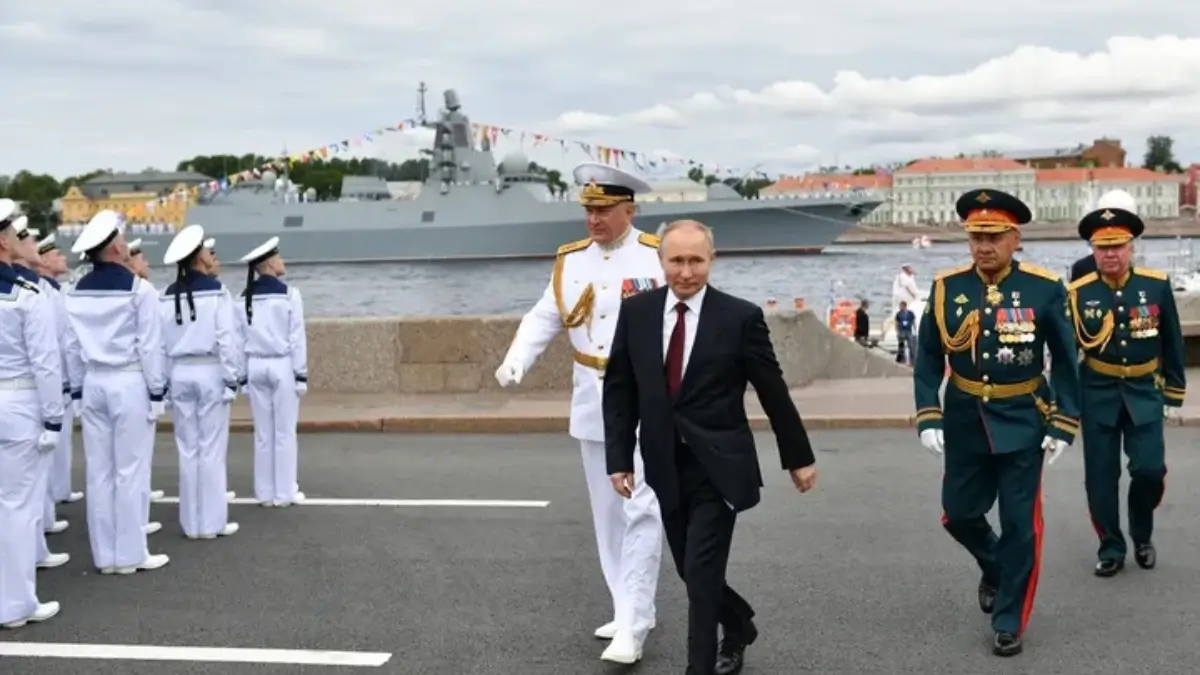
Sudan has given Russia the green light to set up its first-ever naval base in Africa. This historic agreement gives Moscow an important position on the Red Sea, one of the world’s busiest trade routes. The deal was finalized after talks in Moscow between Sudanese Foreign Minister Ali Youssef Ahmed al-Sharif and Russian Foreign Minister Sergei Lavrov.
Strategic Importance of the Red Sea
The new Russian base will be near Port Sudan, along a key route connecting the Red Sea to the Suez Canal. This waterway handles around 12% of global trade. The base will allow Russia to gain a strong strategic presence near existing American and Chinese facilities in the region.
Key Details of the Defence Agreement
According to the deal, Russia can station up to 300 personnel at the base and bring in four naval vessels, including nuclear-powered ships. The agreement lasts for 25 years and will automatically extend by 10 years unless either side objects. Sudanese officials say all previous issues have been resolved, and both nations fully agree on the terms.
Why Russia Wants the Base?
Russia’s interest in Sudan comes as its access to the Syrian naval facility in Tartus faces uncertainty. A base in Sudan provides a backup location and strengthens Russia’s global naval reach. This deal also represents a diplomatic win for Moscow, as it expands its overseas military presence beyond its traditional areas.
Challenges and Concerns
Sudan’s ongoing political instability and internal conflicts could affect the long-term operation of the base. Analysts also note that Russia’s involvement in Sudan is complicated, with ties to both the army and paramilitary groups. Despite these concerns, both countries claim the deal is fully settled, making it a major development in Red Sea geopolitics.
Important Facts for Quick Reference
- Location: Near Port Sudan on the Red Sea.
- Personnel: Up to 300 Russian staff allowed.
- Naval Ships: Four vessels, including nuclear-powered ships.
- Duration: 25 years with automatic 10-year renewals.
- Global Trade Impact: 12% of international shipping passes through the Red Sea–Suez route.


 Which Place is known as the Onion Hub of...
 RBI Plans to Make TReDS Registration Eas...
 KreditBee Joins Unicorn Club After Raisi...











