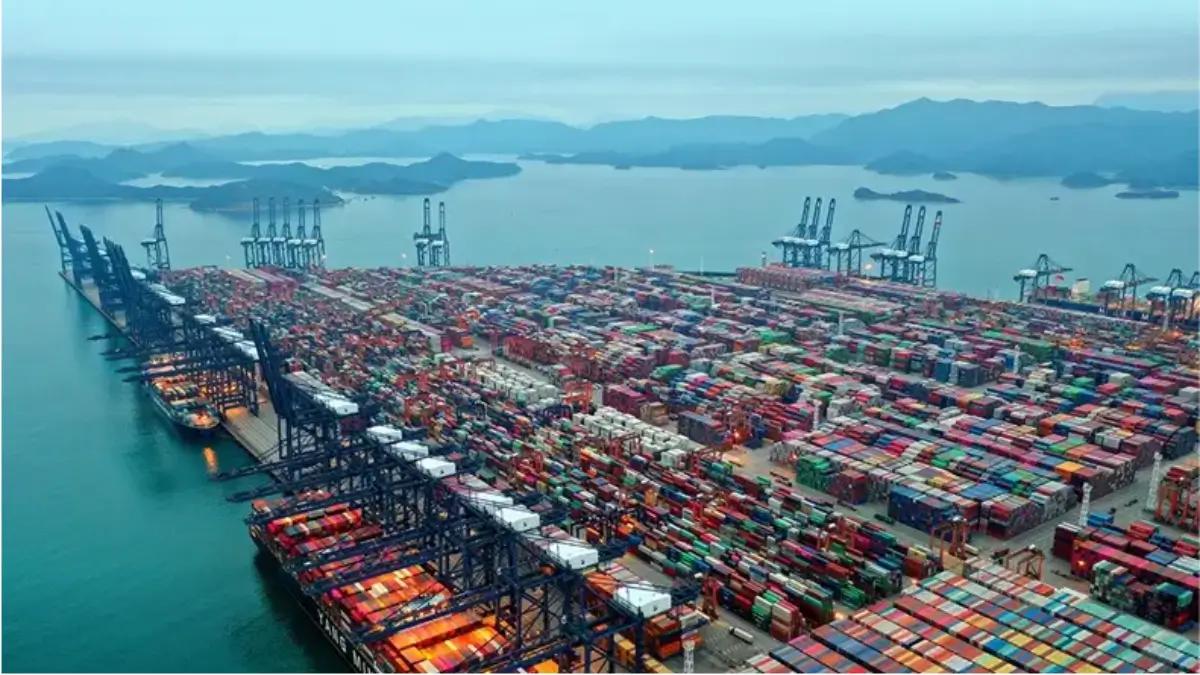
Sea ports are the lifeline of international trade as they handle the movement of goods between countries. Most of the world’s imports and exports depend on these ports, making them vital for the global economy. The busiest ports manage millions of containers every year and connect businesses across continents. Knowing about the top sea ports is important for general knowledge and competitive exams.
Why are Sea Ports So Important?
Most of the world’s goods are transported by sea. Ports act as gateways for trade and play a major role in shaping:
- Shipping routes
- Global supply chains
- Economic growth
The busiest ports handle tens of millions of TEUs (Twenty-Foot Equivalent Units), which are standard container sizes used in shipping. This makes them global powerhouses for trade and logistics.
Top-10 Busiest Sea Ports in the World by Container Volume
Shanghai Port of China, with the approximate TEU volume of 49-50 million, stands as the busiest sea port in the world by container volume in 2025, followed by Singapore Port, Ningbo-Zhoushan Port and Shenzhen Port.
Here is the list of top-10 busiest sea ports in the world by container volume in 2025:
| Rank | Port | Country | Approx. TEU Volume |
| 1. | Shanghai | China | 49-50 million |
| 2. | Singapore | Singapore | 39-40 million |
| 3. | Ningbo-Zhoushan | China | 35-36 million |
| 4. | Shenzhen | China | 29-30 million |
| 5. | Guangzhou | China | 25-26 million |
| 6. | Qingdao | China | 25-27 million |
| 7. | Busan | South Korea | 22-24 million |
| 8. | Tianjin | China | 21-22 million |
| 9. | Jebel Ali | UAE | 14-15 million |
| 10. | Port Klang | Malaysia | 14-15 million |
Why do These Ports Dominate?
These ports rank so high because of several key reasons:
- Manufacturing Hubs: Ports in China and South Korea handle massive export volumes due to industries and factories located nearby.
- Strategic Locations: Ports like Singapore and Jebel Ali are located on major global shipping routes, making them perfect for transshipment (transferring goods between ships).
- World-Class Infrastructure: Deep-water harbors and modern facilities allow the biggest ships to dock easily.
- Technology and Efficiency: Many of these ports use automation, digital systems, and intermodal links (rail, road, and sea) to improve speed and efficiency.
- Continuous Expansion: Regular investment and expansion projects ensure they can handle the growing demand of world trade.
Challenges Faced by Ports in 2025
Even the busiest ports face challenges:
- Delays at Panama Canal due to low water levels.
- Red Sea rerouting because of geopolitical tensions.
- Supply chain shocks from global disruptions.
These challenges have increased pressure on ports, but strong Asian ports continue to lead with resilience and adaptability.


 Which Place is known as the Onion Hub of...
 RBI Plans to Make TReDS Registration Eas...
 KreditBee Joins Unicorn Club After Raisi...