
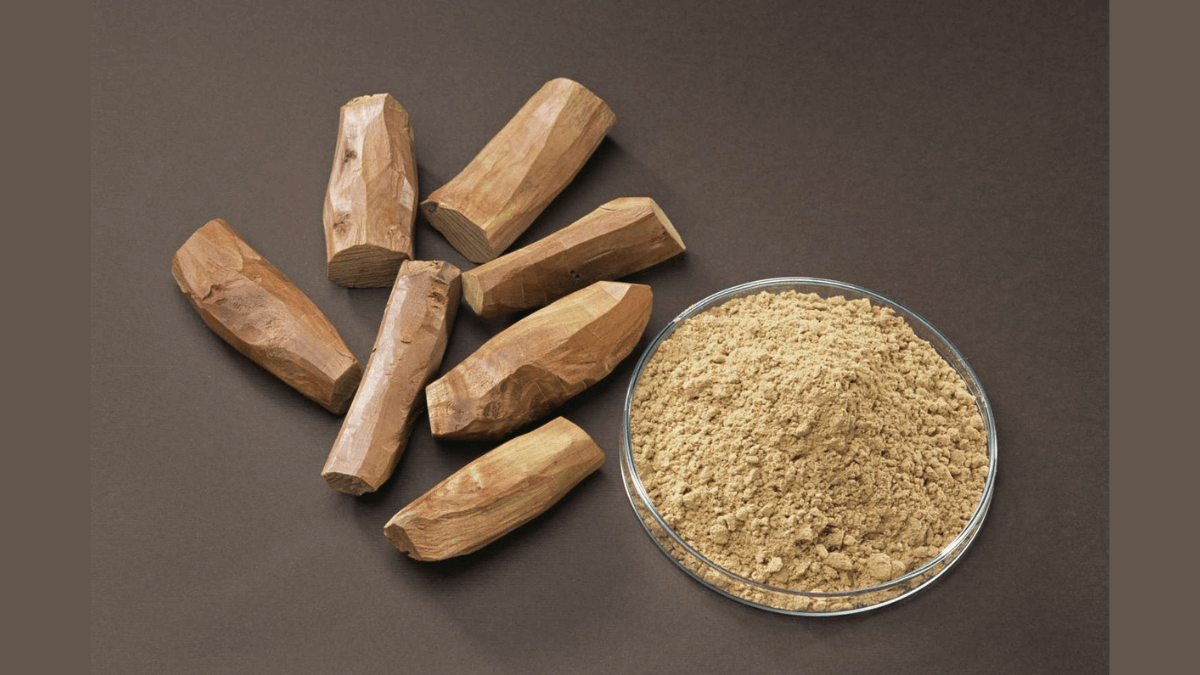
Sandalwood is one of the most precious and fragrant woods in the world, widely used in perfumes, medicines, skincare, and religious rituals. Its oil and wood have been valued for centuries, making it an important trade product. Today, only a few countries grow sandalwood on a large scale. Let’s look at the top 10 sandalwood-producing countries and their global importance.
Top-10 Sandalwood-Producing Countries in the World 2025
Sandalwood is one of the world’s most valuable aromatic woods, loved for its sweet fragrance, medicinal uses, and role in perfumes, cosmetics, and religious rituals. Sandalwood oil is especially in high demand, making it an important forest product traded globally.
Here are the names of top-10 sandalwood producing countries in the world 2025:
- India
- Australia
- Indonesia
- Sri Lanka
- Nepal
- Bangladesh
- China
- Fiji
- Papua New Guinea
- Thailand
India, World’s Largest Sandalwood Producer
India is the largest producer of sandalwood in the world. States like Karnataka, Tamil Nadu, and Kerala are famous for their high-quality sandalwood. The well-known Mysore sandalwood is prized worldwide for its rich oil and strong fragrance. India exports large amounts of sandalwood oil used in perfumes, soaps, Ayurveda, and religious practices.
Australia
Australia has become a top competitor in sandalwood farming. The country grows Indian sandalwood (Santalum album) on large plantations, especially in Western Australia and the Northern Territory. With advanced cultivation methods, Australia is a leading exporter of sandalwood oil, mainly for cosmetic and pharmaceutical industries.
Indonesia
Indonesia is well known for Timor sandalwood, which comes from East Nusa Tenggara. This type of sandalwood is very aromatic and is widely used for incense, carvings, and essential oils. The Indonesian government also promotes plantations to meet the rising global demand.
Sri Lanka
Sri Lanka has a long history of sandalwood production. The wood is used in temple rituals, perfumery, and traditional medicine. Sri Lankan sandalwood is valued for its quality, and the country works to protect and cultivate the trees under strict forestry rules.
Nepal
Nepal grows sandalwood mainly in the Terai regions. It is used locally for incense sticks, religious offerings, and oil extraction. While production is small compared to India or Australia, Nepalese sandalwood is slowly entering the international market.
Bangladesh
Bangladesh produces sandalwood in some forested and hilly areas. Though output is limited, it is used in perfumes, cosmetics, and incense industries. The government is encouraging farmers to grow sandalwood as a profitable commercial crop for the future.
China
China has started cultivating sandalwood in its southern provinces to reduce imports. While China still buys large amounts from other countries, its new plantations supply wood for medicines, incense, and cosmetics. With demand rising, China is becoming an important contributor.
Fiji
Fiji is famous for Pacific sandalwood (Santalum yasi), which grows naturally in the islands. Fijian sandalwood is mainly exported for oil extraction and incense production. It is considered one of the most valuable forest products in the Pacific region.
Papua New Guinea
Papua New Guinea also produces Pacific sandalwood from both plantations and natural forests. Its sandalwood oil is exported to Asian countries for perfumes, incense, and aromatherapy. This makes the country an important supplier in the global sandalwood trade.
Thailand
Thailand grows sandalwood mainly for religious and cultural uses, especially in Buddhist rituals and royal ceremonies. Plantations are also being developed to meet rising demand in perfumes and incense industries. Thailand’s sandalwood has both spiritual and economic importance.


 Weekly Current Affairs One Liners (30th ...
 Who is known as the Father of Mobile Pho...
 Which is the Highest Airport in the Worl...











