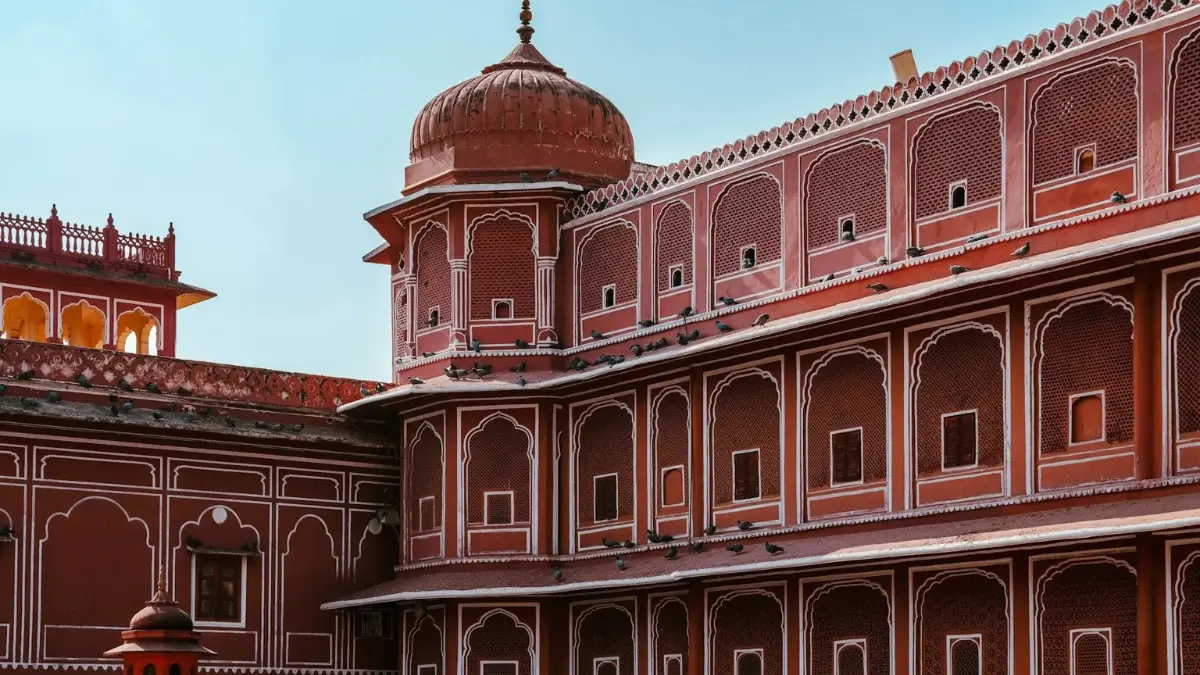
India is home to many ancient palaces that were built by powerful kings and queens over hundreds of years. These palaces are known for their beautiful designs, strong structures, and rich history. They help us understand how royal families lived in the past. Today, these old palaces are important heritage sites where people come to learn, explore, and enjoy India’s royal architecture.
Top-7 Oldest Palaces in India
India is home to many ancient palaces that reflect its royal past, artistic skills, and rich culture. These old palaces were built centuries ago and still stand as beautiful reminders of history, architecture, and the lives of former kings.
Here is the list of top-7 oldest palaces in India:
| Rank | Palace Name | Location | Year Built |
| 1. |
Padmanabhapuram Palace |
Kerala | 1601 CE |
| 2. |
Thirumalai Nayakkar Mahal |
Tamil Nadu | 1636 CE |
| 3. | Amber Palace | Rajasthan | 1592 CE |
| 4. | Leh Palace | Ladakh | 1553 CE |
| 5. |
Mattancherry Palace |
Kerala | 1555 CE |
| 6. | Rang Ghar | Assam | 1746 CE |
| 7. | Udaipur City Palace | Rajasthan | 1559 CE |
Padmanabhapuram Palace, Kerala
UdaPadmanabhapuram Palace was built in 1601 CE by the Travancore rulers. It is the oldest wooden palace in India and is known for its cool interiors, fine rosewood carvings, and beautifully decorated rooms. The palace has 108 rooms and many hidden pathways. Its design shows how creatively and skillfully early Travancore kings planned their royal homes.
Thirumalai Nayakkar Mahal, Tamil Nadu
Built in 1636 CE by the Madurai Nayak dynasty, this palace mixes Dravidian, Islamic, and early European styles. Its huge arches, tall pillars, and open courtyard make it one of the grandest structures of South India. The palace was once four times bigger than what we see today and reflects the rich cultural and royal traditions of the Nayak rulers.
Amber Palace, Rajasthan
Amber Palace, built in 1592 CE by Raja Man Singh I, is one of the oldest examples of Rajput architecture. It stands on a hill, giving it a strong fort-like appearance. The palace blends Hindu and Mughal designs and is famous for its artistic gateways, detailed stone carvings, and the famous Sheesh Mahal (Mirror Palace).
Leh Palace, Ladakh
Leh Palace was built between 1553 and 1555 by King Sengge Namgyal. This nine-storied palace is made of mud and wood and follows traditional Tibetan-style architecture. It once served as the royal residence and also had storage rooms on the lower floors. Though partly damaged today, it remains an important symbol of Ladakh’s royal history.
Mattancherry Palace, Kerala
Mattancherry Palace, built in 1555 CE by the Portuguese, was gifted to the Kochi rulers. Later, the Dutch renovated it, which is why it is also called the “Dutch Palace.” The palace is famous for its colourful murals based on Hindu epics and its beautifully carved wooden ceilings. It is a fine example of European influence mixed with Kerala’s traditional style.
Rang Ghar, Assam
Rang Ghar, built in 1746 CE by the Ahom dynasty, is one of the earliest known sports pavilions in India. It was used by Ahom kings to watch sports and cultural events. Its unique oval shape and simple yet strong design make it different from other palaces. It remains an important landmark representing Assam’s royal and cultural heritage.
Udaipur City Palace, Rajasthan
The Udaipur City Palace was started in 1559 CE by Maharana Udai Singh II. It is a huge complex made up of many smaller palaces, courtyards, and rooms. The palace stands beside Lake Pichola and shows the beauty of Mewar architecture. With its balconies, towers, and royal halls, it remains one of the most visited palaces in India.


 Which Place is known as the Diamond Capi...
 List of Major LPG Gas Companies in India...
 Which Fish Can Produce Electricity?