
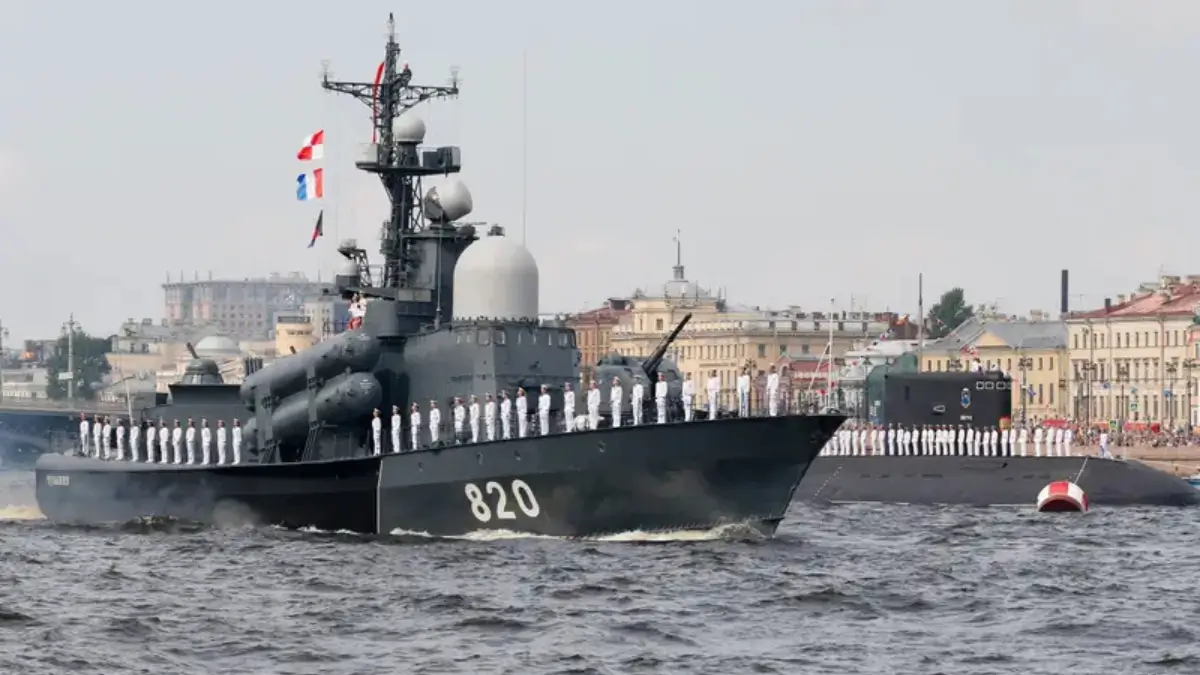
In today’s world, the strength of a nation is often measured by its military power, especially its navy. As global trade and security depend heavily on sea routes, many countries are investing billions to strengthen their naval forces. Modern navies not only protect coastlines but also project power worldwide. Let’s explore which nations spend the most on naval strength in 2025.
Why Naval Power Matters?
A strong navy helps a country defend its coastline, protect international trade routes, and show military strength across the world’s oceans. Modern navies also support peacekeeping missions, disaster relief, and technology-based warfare — including submarines, aircraft carriers, and missile defense systems.
Let’s look at the top five countries spending the most on their naval powers in 2025.
Which Country has the Most Powerful Navy?
In 2025, the United States Navy remains the most powerful in the world. While China has a larger fleet, the U.S. leads in technology, global operations, and carrier strike groups. Its ships patrol every major sea route, protecting trade, supporting allies, and ensuring global stability.
Top-5 Countries Spending Most on Naval Powers in 2025
In 2025, many nations are increasing their naval budgets to protect sea routes and strengthen maritime security. Here are the top five countries leading this effort.
Here are the top-5 countries spending most on naval powers in 2025:
| Rank | Country | Estimated 2025 Military Budget (USD Bn) |
| 1. | United States | $207 billion |
| 2. | China | $170 billion |
| 3. | Japan | $60.2 billion |
| 4. | United Kingdom | $51 billion |
| 5. | Russia | $48 billion |
United States
The United States continues to hold the top spot for naval power in 2025.
- Estimated Naval Budget: $207 billion
- Fleet Size: 297 ships and submarines
The U.S. Navy is known for its advanced technology, aircraft carrier groups, and global presence. With powerful ships, nuclear submarines, and advanced fighter jets, it operates in every major ocean. The U.S. Navy’s strength lies in its global reach, rapid deployment, and technological superiority, making it the most dominant naval force on Earth.
China
China ranks second, rapidly increasing its naval strength to challenge U.S. dominance in Asia.
- Estimated Naval Budget: $170 billion
- Fleet Size: 355 ships and submarines
China’s People’s Liberation Army Navy (PLAN) has the world’s largest fleet by number of vessels. It focuses on regional control, especially in the South China Sea, and is developing aircraft carriers, destroyers, and missile systems. China’s goal is to secure trade routes and extend influence across the Indo-Pacific region.
Japan
Japan ranks third, with a strong focus on defense and maritime security.
- Estimated Naval Budget: $60.2 billion
- Fleet Size: 155 ships and submarines
Japan’s navy, known as the Japan Maritime Self-Defense Force (JMSDF), is highly modern and efficient. It specializes in anti-submarine warfare, maritime patrol, and island protection. Japan also works closely with the United States for joint security operations in the Pacific region.
United Kingdom
The United Kingdom remains one of the top naval powers, maintaining a strong global presence through its alliance with NATO.
- Estimated Naval Budget: $51 billion
- Fleet Size: 77 ships and submarines
The Royal Navy is best known for its aircraft carriers and rapid response capabilities. It plays a key role in European defense and international missions, ensuring the UK continues to project power far beyond its borders.
Russia
Russia holds the fifth position, emphasizing nuclear submarines and coastal defense systems.
- Estimated Naval Budget: $48 billion
- Fleet Size: 318 ships and submarines
Russia’s navy may not match the U.S. or China in size or technology, but it has one of the most powerful submarine fleets in the world. Its focus on Arctic defense, strategic deterrence, and missile-carrying submarines keeps it among the world’s top naval forces.


 Which Place is known as the Onion Hub of...
 RBI Plans to Make TReDS Registration Eas...
 KreditBee Joins Unicorn Club After Raisi...











