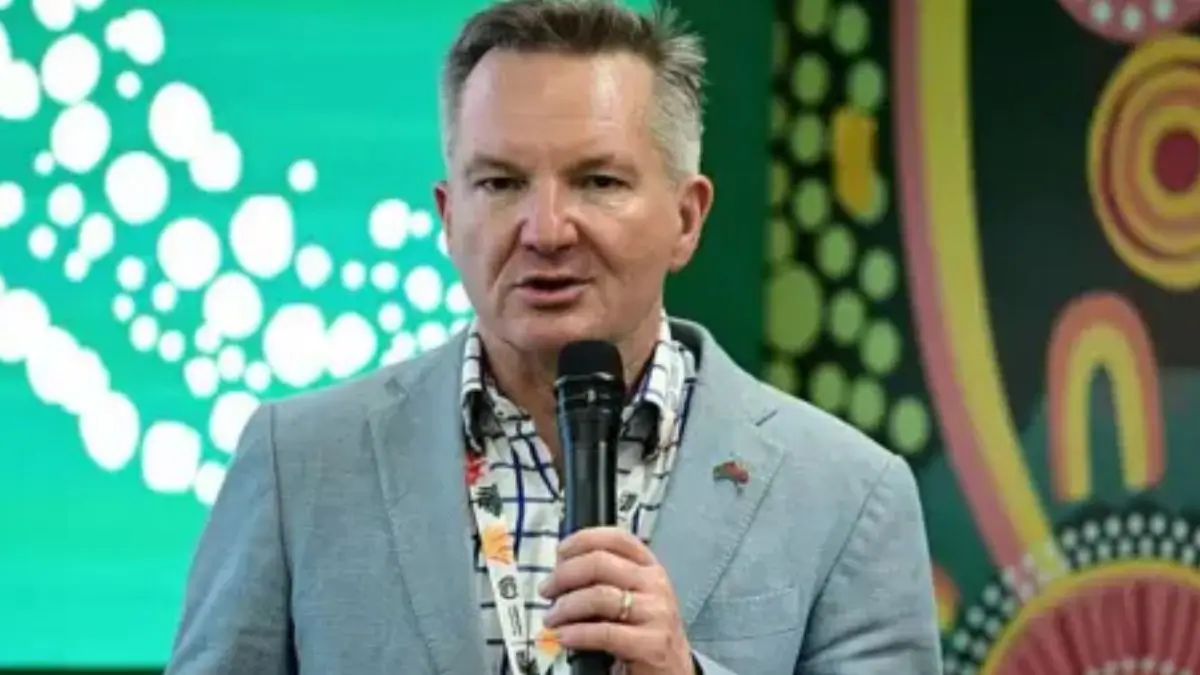
In a major development in international climate diplomacy, Turkey has been confirmed as the host of COP31, the 2026 UN Climate Change Conference, following a diplomatic compromise with Australia. This agreement, reached during discussions at COP30 in Brazil, ends a prolonged hosting dispute and ensures continued momentum in global climate negotiations.
Background: The Hosting Bid Dispute
The Conference of the Parties (COP) is the most important annual gathering under the United Nations Framework Convention on Climate Change (UNFCCC). Both Turkey and Australia had submitted formal bids in 2022 to host COP31, resulting in a stalemate as neither nation was willing to withdraw.
The impasse raised concerns about leadership and coordination during a crucial phase for climate action, especially as the world intensifies focus on climate financing, adaptation mechanisms, and emission reductions.
Structure of the Compromise Agreement
The emerging compromise proposes a shared framework of responsibilities between the two contenders,
- Turkey will officially host COP31 and assume the Presidency of the summit, overseeing the logistical and diplomatic aspects of the event.
- Australia, while not the host, will lead intergovernmental negotiations, playing a key role in climate policy formulation and implementation strategy.
- Additionally, a pre-COP event is expected to be held in the Pacific region, emphasising the vulnerability of small island states and bolstering regional engagement in global climate discourse.
Why It Matters: Significance of COP31
COP31 is expected to play a pivotal role in shaping the global climate agenda for the post-2030 period, including,
- Finalising pathways for achieving the 1.5°C global warming limit under the Paris Agreement
- Accelerating access to climate finance for developing nations
- Expanding frameworks for climate adaptation and resilience, especially for nations facing sea-level rise and extreme weather
- Strengthening the loss and damage mechanism formalised during COP27
The dual arrangement reflects the growing complexity of climate negotiations and the need to balance regional representation, influence, and leadership.
Reactions and Next Steps
- While no official statements have been issued yet by Australian or Turkish officials, the arrangement reflects a behind-the-scenes diplomatic effort to resolve a potential crisis in climate governance.
- Negotiations are still underway to finalise procedural details and secure consensus among UNFCCC member states.
- The model could also serve as a precedent for future shared hosting models, particularly when multiple countries seek influence in global climate discussions.
Static Points
- UNFCCC: United Nations Framework Convention on Climate Change, established in 1992
- COP: Annual conference of member countries to discuss global climate policies
- COP21 (2015): Held in Paris, resulted in the Paris Agreement
- COP27 (2022): Established a formal Loss and Damage Fund
- COP30 (2025): Held in Brazil, focused on accelerating climate finance and adaptation goals


 WTO 14th Ministerial Conference Conclude...
 Former Suriname President Chandrikapersa...
 No Social Media for Kids Under 16: Indon...