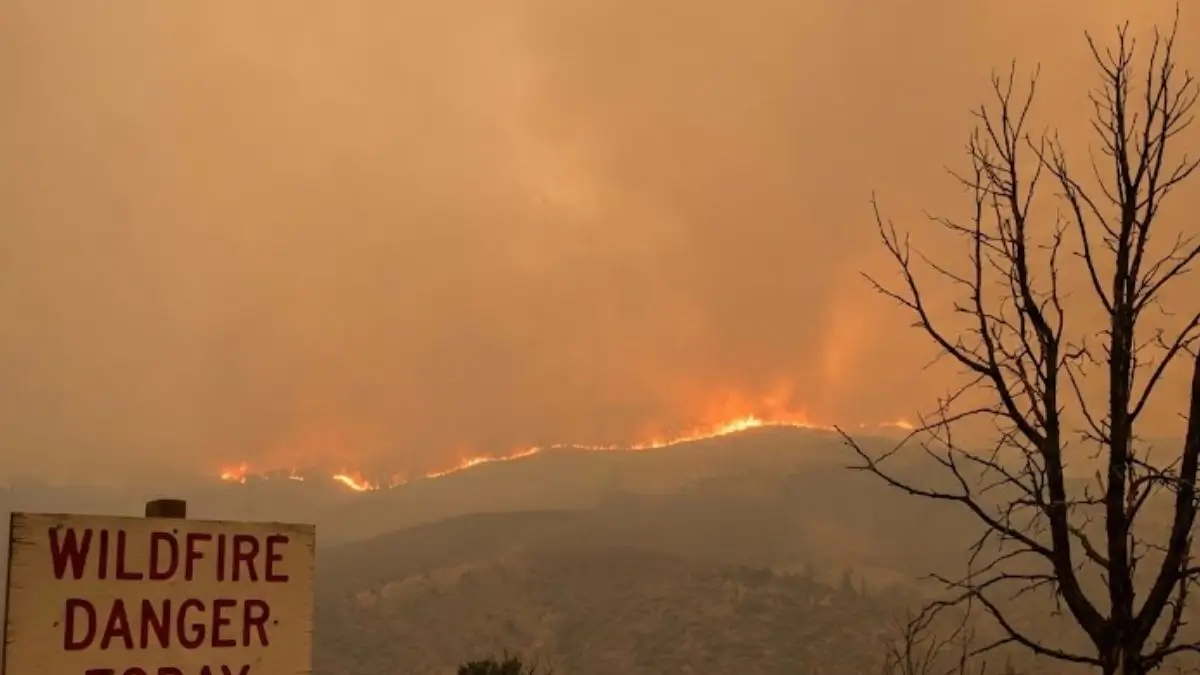
A major diplomatic and environmental victory, India’s resolution on “Strengthening the Global Management of Wildfires” was adopted at the 7th Session of the United Nations Environment Assembly in Nairobi, Kenya. The resolution saw broad support from UN Member States, reflecting growing global concern over the increasing frequency and intensity of wildfires across continents.
What Is UNEA and Why Is It Important?
- The United Nations Environment Assembly (UNEA) is the world’s highest decision-making body on environmental matters.
- It brings together environment ministers from UN member countries to set priorities, develop international environmental law, and guide global environmental action.
- Resolutions adopted at UNEA help shape international cooperation, funding priorities, and policy direction on major environmental challenges such as climate change, biodiversity loss, pollution, and disaster risks.
- The adoption of India’s wildfire resolution at UNEA-7 gives the issue global visibility and encourages countries to work together on a shared framework for wildfire management.
Background and Need for the Resolution
India highlighted that wildfires are emerging as a major environmental challenge. Once upon a time it is primarily seasonal, wildfires are now increasing in number, scale, and intensity across multiple regions due to climate change, deforestation, and land-use changes.
The UNEP’s global report “Spreading Like Wildfire” warns of alarming trends,
- 14% increase by 2030
- 30% increase by 2050
- 50% increase by 2100
If current trends continue, these projections indicate severe environmental, economic, and social impacts, including loss of biodiversity, property damage, and health hazards from air pollution.
Key Objectives of India’s Resolution
- Strengthening Global Cooperation: Promote international collaboration for wildfire management, knowledge sharing, and best practices.
- Proactive Prevention: Shift focus from reactive firefighting to preventive strategies such as early warning systems, risk assessment, and landscape planning.
- Capacity Building: Support member states in developing technical expertise, infrastructure, and policy frameworks for wildfire management.
- Integrated Approach: Encourage synergies between climate action, biodiversity protection, and disaster risk reduction.
India’s Role in Environmental Governance
India has increasingly positioned itself as a proactive global player in climate and environmental diplomacy, with initiatives such as,
- Hosting COP-26 preparatory events and promoting renewable energy transitions.
- Leading international coalitions on clean energy, biodiversity, and climate resilience.
- Strengthening domestic wildfire management through forest fire prevention programs, satellite monitoring, and community awareness initiatives.
Key Takeaways
- India’s resolution on global wildfire management was adopted at UNEA-7 in Nairobi, Kenya.
- The resolution focuses on strengthening international cooperation to tackle wildfires.
- Wildfires are increasing in frequency, scale, and intensity worldwide.
- UNEP’s report “Spreading Like Wildfire” warns of sharp increases in wildfires by 2030, 2050, and 2100.
- The resolution calls for a shift from reactive firefighting to proactive prevention.


 India Pharma 2026 Conference: Advancing ...
 WTO MC14 2026 Explained: Agenda, Issues,...
 International Rail Coach Expo 2026 Inaug...