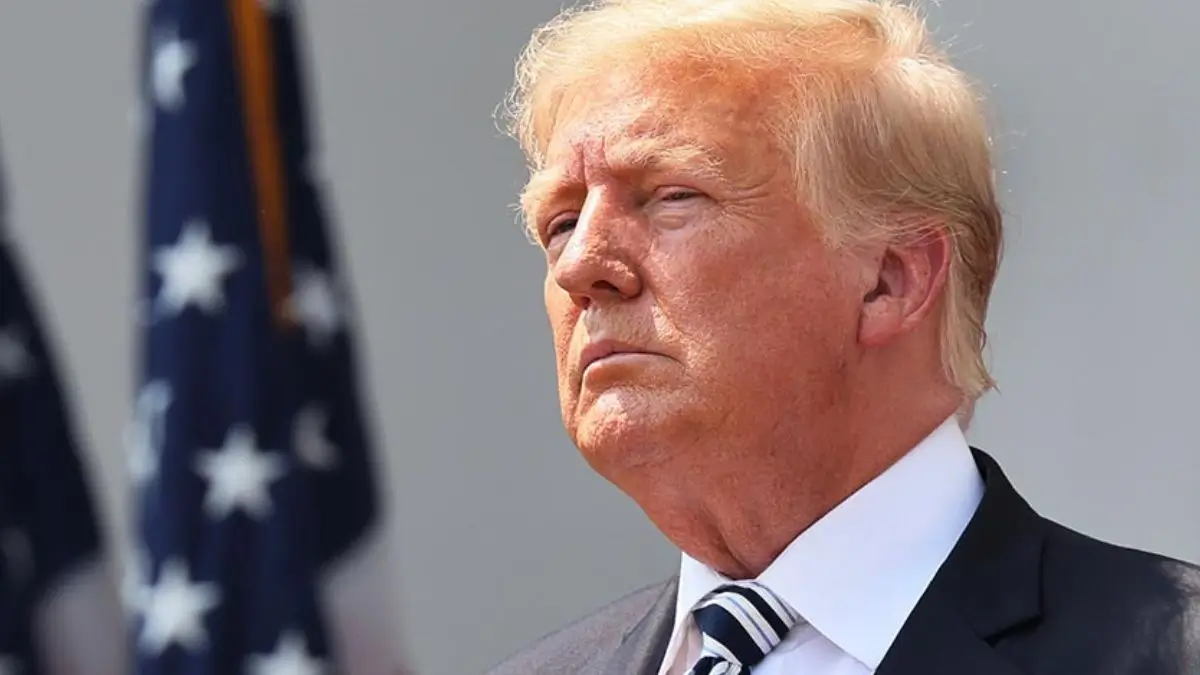
In a major development, US President Donald Trump has signed a temporary funding bill passed by Congress, officially ending the longest government shutdown in US history. The 42-day deadlock, which severely affected federal operations and employees, was finally broken after the House of Representatives and Senate passed legislation to fund government activities on a temporary basis.
Background: The Political Standoff Explained
The shutdown stemmed from a deep political divide between the Republican Party—which holds a majority—and the Democratic Party, which had pushed for the inclusion of healthcare subsidies related to the Obamacare programme in the funding legislation.
The main issue was the Democrats’ demand to extend subsidies for health insurance provided under former President Barack Obama’s Affordable Care Act (ACA). The Republicans, led by President Trump, refused to include these subsidies in the bill, resulting in a prolonged stalemate that stalled federal services.
Senate Drama: Breaking the Gridlock
Under US legislative procedures, 60 votes are required in the Senate to move most bills forward. While Republicans held the majority, they were short of the supermajority threshold, preventing the bill from proceeding. The deadlock was finally broken when eight Democrat senators crossed party lines to vote in favour of moving the bill forward.
This rare bipartisan move paved the way for a formal vote on Monday, leading to the passage of the temporary funding legislation and President Trump’s approval soon after.
A Blow to Democratic Strategy
The outcome is seen as a setback for the Democratic Party, as they failed to secure their key demand regarding Obamacare funding extensions. Although they initially held their ground to pressure Republicans, the prolonged shutdown led to public backlash and pressure to resolve the issue.
The temporary funding measure now allows federal agencies to resume operations while budget negotiations continue.
Impacts of the Shutdown
The 42-day shutdown had wide-reaching impacts,
- Hundreds of thousands of federal employees were furloughed or worked without pay
- Government services, including national parks, visa processing, and IRS operations, were severely affected
- The economic cost ran into billions, including losses in consumer confidence and delayed public projects
- Political tensions rose as both parties blamed each other for the deadlock
What Happens Next?
The bill signed by President Trump only provides temporary funding, meaning the issue could resurface if a full-year federal budget is not agreed upon soon. Key areas still under negotiation include,
- Long-term healthcare funding
- Immigration reform
- Deficit and debt ceiling policies
- The coming weeks will be critical as both parties resume discussions to avoid another possible shutdown.
Static Facts
- Shutdown Duration: 42 days (longest in US history)
- Reason: Standoff over Obamacare subsidy funding
- President at the Time: Donald Trump
- Outcome: Temporary funding bill passed and signed
- Senate Vote: Moved forward with support of 8 Democrats
- Political Impact: Setback for Democrats, partial victory for Republicans
- Affected Sectors: Federal employees, IRS, visa and passport services, national parks


 Strait of Hormuz Crisis: 22-Nation Coali...
 Cuba Blackout 2026: Causes, Impact &...
 Strait of Hormuz Blockade 2026 Who Is Al...