
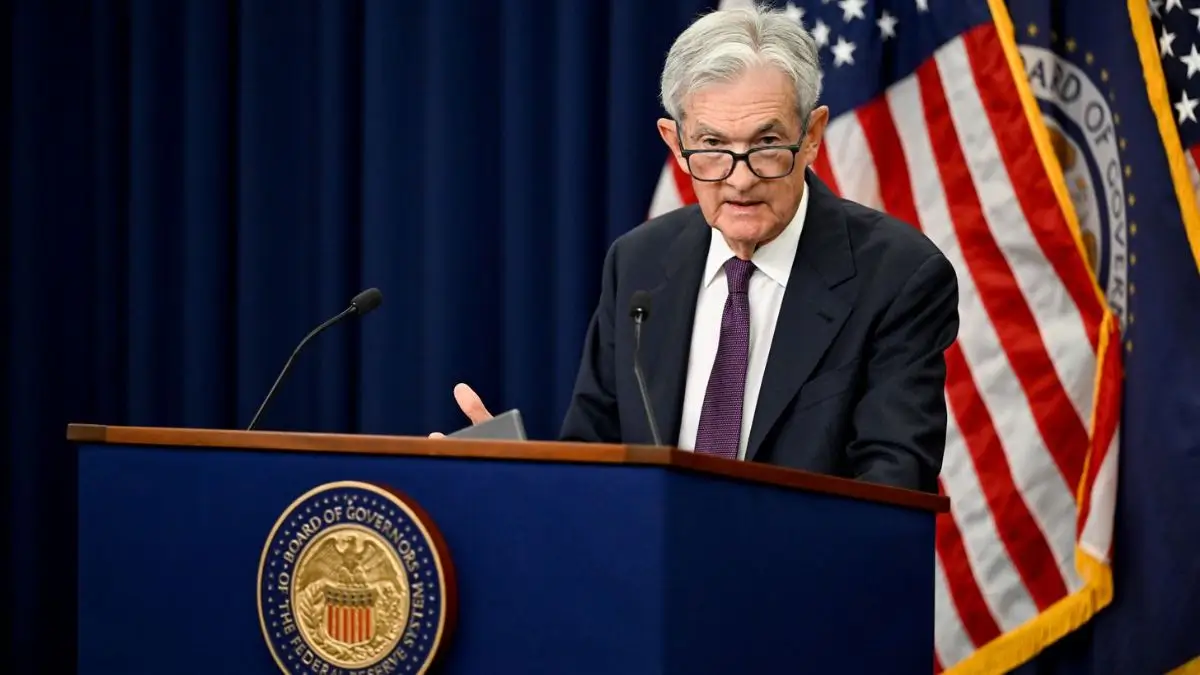
The US Federal Reserve has kept the interest rates unchanged at 3.50% to 3.75% in the latest policy meeting on the April 29, 2026. It was one of the most split votes since the year 1992, and also the multiple policymakers disagreed over the future rate direction and also signaling the uncertainty in the US economy. As the rising inflation which is driven partly by the global energy prices and geopolitical tensions and it has the complicated decision-making this decision looking by the multiple head banks.
Fed Keeps Rates Steady but Signals Concern
The Federal Reserve has maintained the its current interest rate range and reflects the cautious approach amid mixed economic signals.
While the US economy continues to grow at the steady pace the inflation remains a major concern.
The Fed have acknowledged that inflation is elevated and partly due to rising oil prices linked to tensions in the Middle East.
At the same time also the unemployment rate has remained stable and suggesting that the labour market is still resilient.
Rare Split Decision: 8-4 Vote Highlights Divisions
The policy decision have saw an 8–4 vote and making it the most divided Fed decision in over three decades.
Three policymakers Beth Hammack, Neel Kashkari, and Lorie Logan have supported keeping rates unchanged but also opposed including an “easing bias” which suggests the possible future rate cuts.
Meanwhile the fourth dissent came from the Stephen Miran, who have argued for the immediate rate cut of 0.25%.
This sharp division reflects the uncertainty about whether the Fed should focus more on to the controlling inflation or supporting economic growth.
Inflation Pressures and Global Factors
The key factor influencing the Fed’s decision is the rise in the global oil prices which have crossed $100 per barrel.
These increases are linked to the geopolitical tensions and particularly conflicts in the Middle East.
Higher energy costs can lead to the,
- Increased inflation
- Higher production costs
- Reduced consumer spending
Leadership Transition at the Federal Reserve
This meeting is likelyto be the last major policy decision under Jerome Powell, whose term ends on May 15, 2026.
His expected successor Mr. Kevin Warsh has already cleared the key Senate committee vote and is likely to take charge soon.
The leadership transition will adds another layer of the uncertainty as the markets await signals on to the future direction of US monetary policy.








 Greece Approves Social Media Ban for Chi...
 France Confirms First Human Case of Sham...
 Nigeria Reports Imported Case of Ebola B...










