
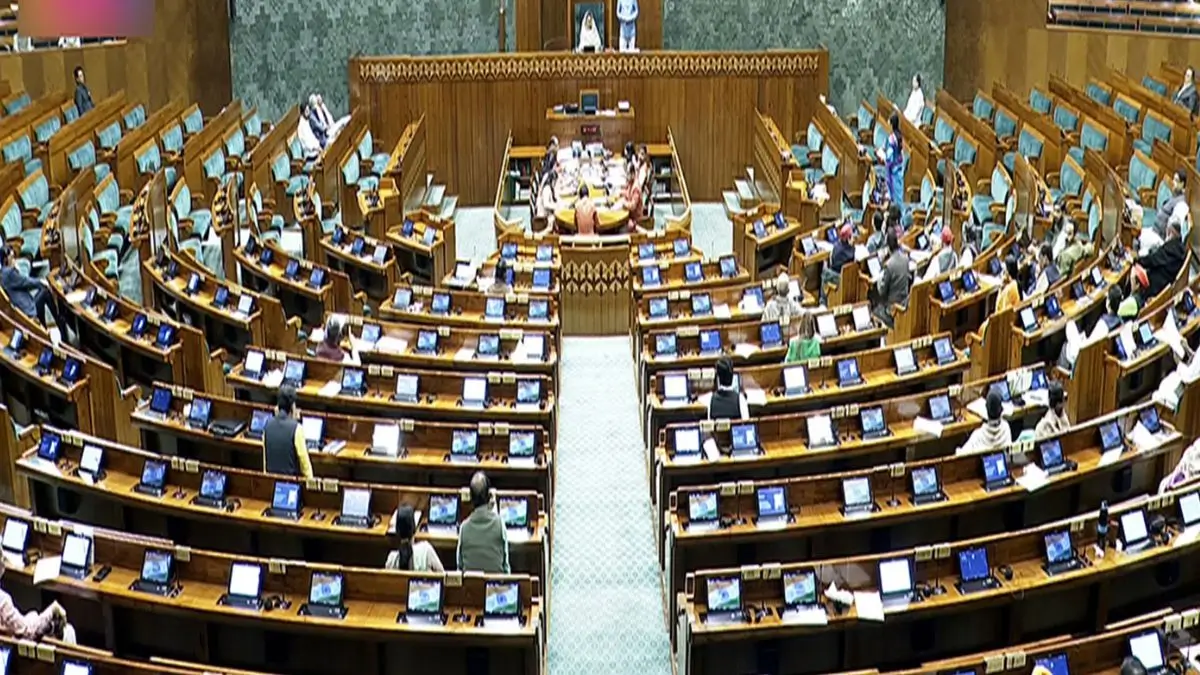
On 18 December 2025, the Lok Sabha passed the Viksit Bharat Guarantee for Rozgar and Ajeevika Mission (Gramin) (VB-G RAM G) Bill, 2025, amid protests, chaos, and just eight hours of parliamentary debate. The Bill aims to reform rural employment and livelihood schemes, effectively replacing provisions under MGNREGA.
Why a New Bill Was Introduced
The government argues that while MGNREGA helped reduce rural distress, it needs restructuring to,
- Support long-term rural productivity
- Align employment with infrastructure creation
- Integrate technology for transparency
- Match India’s development goals under Viksit Bharat 2047
Objectives of the VB-G RAM G Bill
- Expand employment opportunities in rural areas
- Shift focus from short-term relief to long-term livelihood assets
- Improve governance through technology
- Integrate rural works with national infrastructure planning
- Ensure better targeting of vulnerable groups
Major Changes Proposed in the Bill
1. Increased Employment Guarantee
- Guaranteed workdays increased from 100 to 125 days per household annually
- Marks a 25% increase in employment entitlement
2. Agricultural Pause
- Introduces a 60-day pause during peak sowing and harvesting seasons
- States can notify pauses based on local cropping patterns
- Aim: ensure labour availability for agriculture
3. New Cost-Sharing Formula
- Scheme becomes a Centrally Sponsored Scheme (CSS)
Funding pattern:
- 90:10 for North-Eastern and Himalayan States/UTs
- 60:40 for other States
- 100% Centre funding for UTs without legislatures
4. Normative Budget Allocations
- Replaces demand-driven labour budgets with state-wise capped allocations
- Any expenditure beyond the allocation must be borne by states
- Marks a shift away from open-ended funding
5. Technology-Based Governance
- Creation of Viksit Bharat National Rural Infrastructure Stack
- Integration with PM Gati Shakti National Master Plan
Features include,
- Biometric attendance
- AI-based fraud detection
- GPS tracking of works
- Weekly public data disclosure
Key Concerns Raised
Fiscal Burden on States: Poorer states with higher rural poverty may struggle under the 60:40 cost-sharing model.
Rights vs Budget Caps: Capped allocations weaken the demand-driven, rights-based nature of employment guarantees.
Digital Access Issues
Biometric and digital systems may exclude vulnerable workers due to,
- Poor connectivity
- Device failures
- Fingerprint mismatches
- Agricultural Pause Risks
Landless labourers may lose income if agricultural work is unavailable during pause periods.
Implementation Challenges: Historically, average employment under MGNREGA has been 45–55 days, far below the promised 100 days.
Positive Aspects of the Bill
- Focus on durable, climate-resilient assets
- Better integration with national infrastructure planning
- Promotion of livelihood assets like markets and warehouses
- Faster wage payments (weekly cycle)
- Higher penalties (up to ₹10,000) for violations
- Special focus on vulnerable groups such as single women, elderly, disabled persons, and transgender individuals
Background: What is MGNREGA
MGNREGA is a rights-based rural employment programme that guarantees at least 100 days of wage employment per year to rural households willing to do unskilled manual work.
Key features of MGNREGA include,
- Demand-driven employment generation
- Decentralised planning through Panchayati Raj Institutions
- Creation of durable rural assets (roads, water conservation, etc.)
- Emphasis on transparency, social audits, and inclusion of women and marginalised groups
Key Takeaways
- VB-G RAM G Bill Passed in Lok Sabha
- VB-G RAM G Bill replaces MGNREGA
- Employment guarantee increased to 125 days
- Introduces agricultural pause and budget caps
- Strong push for technology-driven governance
- Balances long-term development goals with short-term rural livelihoods
Question
Q. The VB-G RAM G Bill increases the guaranteed employment days for rural households from 100 to how many days?
(A) 110 days
(B) 120 days
(C) 125 days
(D) 150 days


 Western Dedicated Freight Corridor Compl...
 ECINet KYC Feature Explained: How Voters...
 BIRAC-BioNEST Incubation Centre Inaugura...











