
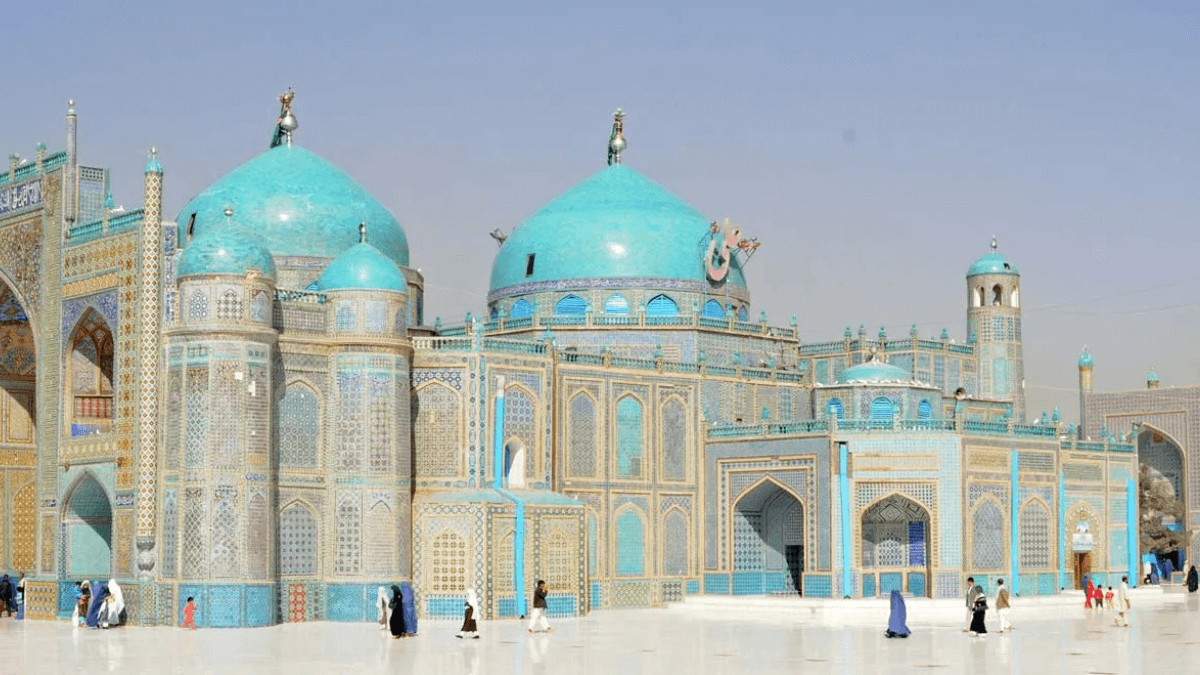
Afghanistan is a country in South-Central Asia, known for its mountains, history, and diverse culture. Like every nation, it has a capital city that serves as the center for politics, economy, education, and culture. This city has played a key role for thousands of years, witnessing trade, battles, and traditions. Today, it remains the heart of Afghanistan’s identity and continues to shape its future.
An Overview of Afghanistan
Afghanistan, officially called the Islamic Emirate of Afghanistan, is a landlocked country in South and Central Asia. It shares borders with Pakistan, Iran, Turkmenistan, Uzbekistan, Tajikistan, and even a small border with China. Covering about 652,864 square kilometers, Afghanistan is mostly mountainous, with the Hindu Kush range dividing the land. The country also has fertile plains in the north and southwest. Its population is estimated between 36 to 50 million people.
Capital of Afghanistan
Afghanistan’s capital city, Kabul, is not just the largest city of the country but also its beating heart. Known for its blend of history, culture, and modern life, Kabul reflects the true spirit of Afghanistan. For more than 3,500 years, this city has been a center of trade, diplomacy, and empire-building. From lively folk traditions to delicious food, Kabul continues to be a symbol of resilience and vibrance in Central Asia.
Why is Kabul So Famous?
Kabul is often called the cultural soul of Afghanistan. It is famous for its food, traditions, festivals, and folklore that have been passed down for centuries. Let’s look at what makes Kabul unique:
- It is one of the oldest continuously inhabited cities in the world, even mentioned in ancient texts like the Rigveda.
- The city comes alive during festivals such as Nowruz and Eid, keeping age-old customs alive.
- Folktales of courage, love, and mystical legends form an important part of local life.
- In the 20th century, it earned the name “Paris of Central Asia” because of its modern charm and urban growth.
- Today, Kabul remains the hub of Afghanistan’s government, economy, and culture.
Kabul’s History in Brief
Kabul’s history is as colorful as its present. Over the centuries, different rulers and empires have shaped its identity. Here’s a quick look:
| Period | Key Highlights |
| 18th Century | Declared Afghanistan’s capital by Timur Shah Durrani in 1776. |
| Historical Era | Home to iconic sites like Bagh-e Babur and Timur Shah’s mausoleum. |
| Modern Times | Grew rapidly in the 1900s, but later faced decades of wars and rebuilding. |
Best Places to Visit in Kabul
Kabul is not just about history—it is also a destination full of landmarks that attract visitors:
- Babur’s Gardens (Bagh-e Babur): A peaceful Mughal-era garden and the resting place of Emperor Babur.
- Darul Aman Palace: Once in ruins, this restored palace stands as a symbol of strength and hope.
- National Museum of Afghanistan: Showcasing rare artifacts and treasures of Afghanistan’s ancient civilizations.
- Chicken Street: A bustling market for carpets, jewelry, handicrafts, and traditional souvenirs.
- Shah-e Doh Shamshira Mosque: A striking yellow mosque, unique for its European-style architecture.
Interesting Facts About Kabul
Here are some lesser-known yet fascinating facts about Afghanistan’s capital:
- High Altitude City: At nearly 1,800 meters above sea level, Kabul is among the world’s highest capitals.
- Religious Roots: It has been a center for Buddhism, Hinduism, and Zoroastrianism before Islam became dominant.
- Timeless Gardens: Bagh-e Babur is one of the city’s most scenic and historical spots.
- Preservation Efforts: Renovated landmarks like the Timur Shah Mausoleum showcase Kabul’s dedication to heritage.
- Knowledge Hub: The Kabul Library holds over 220,000 books, showing the city’s love for learning and diversity.


 Which Place is known as the Onion Hub of...
 RBI Plans to Make TReDS Registration Eas...
 KreditBee Joins Unicorn Club After Raisi...











