
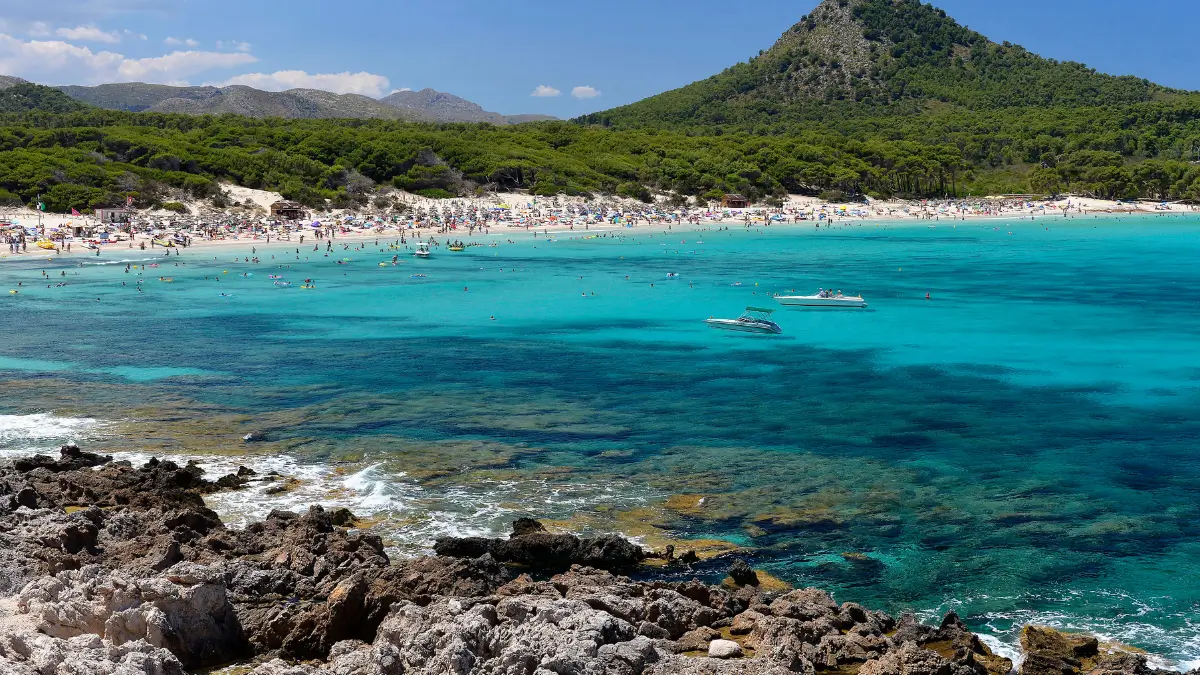
The continents of Europe and Africa lie very close to each other, divided by a well-known water body that has played an important role in history. This sea has influenced trade, travel, culture, and the growth of ancient civilizations for thousands of years. It connects different countries, supports shipping and tourism, and remains one of the most important seas in the world.
Which Sea Lies Between Europe and Africa?
The sea that separates the continents of Europe and Africa is the Mediterranean Sea. It is almost completely surrounded by land and stretches from the narrow Strait of Gibraltar in the west to the countries near the Middle East in the east. Because it touches many nations, it is one of the most travelled and historically rich seas in the world.
Where is the Mediterranean Sea Located?
The Mediterranean Sea lies between:
- Southern Europe – including Spain, France, Italy, and Greece
- Northern Africa – including Morocco, Algeria, Tunisia, Libya, and Egypt
At its narrowest point, Spain and Morocco are only about 14 kilometres apart, connected by the Strait of Gibraltar, which links the Mediterranean Sea to the Atlantic Ocean.
Why is this Sea Important?
The Mediterranean Sea has played a central role in world history:
- It has been a major trade route for ancient and modern countries.
- Many great civilizations like the Egyptians, Greeks, and Romans lived and grew around its shores.
- The sea supports tourism, fishing, shipping, and cultural exchange.
- Its warm climate and beautiful coastline attract millions of visitors every year.
Because of these reasons, the Mediterranean is sometimes called the “heart of ancient civilisation.”
Interesting Facts About the Mediterranean Sea
- Higher Salinity: The Mediterranean Sea is saltier than most oceans.
- Deepest Point: Its deepest spot, called the Calypso Deep, goes more than 5,000 metres down.
- Thousands of Islands: It contains around 3,300 islands, including popular ones like Sicily and Sardinia.
- Unique Water Flow: More water evaporates than enters, causing a special two-layer current: saltier water flows out while fresher water from the Atlantic flows in.
- Long Coastline: The sea has an impressive 46,000 km of coastline.
- Movement of Tectonic Plates: Because the sea sits between the African and Eurasian plates, the region can experience earthquakes and tsunamis.
- Famous Rivers: The Nile River, the world’s longest river, empties into the Mediterranean.
- Meaning of the Name: The word “Mediterranean” means “sea in the middle of the land.”


 Where is the Strait of Hormuz Located?
 Best Airlines in the World 2026: Best Fu...
 Who Invented the QR Code? Check Here











