Did you know that some animals have brains so large that they can weigh several kilograms? The animal kingdom is full of surprising facts, and brain size is one of the most fascinating ones to explore.
Brains are very important because they control how animals think, move, and survive. Some animals need bigger brains to manage complex behaviors like communication, hunting, and social bonding.
When we talk about the largest brain, we can measure it in two ways—by weight and by size. Both of these can give us interesting insights, but they don’t always point to the same animal.
For example, some animals may have very heavy brains but not the most intelligent behavior, while others with smaller brains can show amazing problem-solving skills. This makes the topic even more exciting to understand.
So, exploring which animal has the heaviest and largest brain is not just about numbers—it also helps us learn more about intelligence, evolution, and life in the wild.
Animal with the Largest and the Heaviest Brain
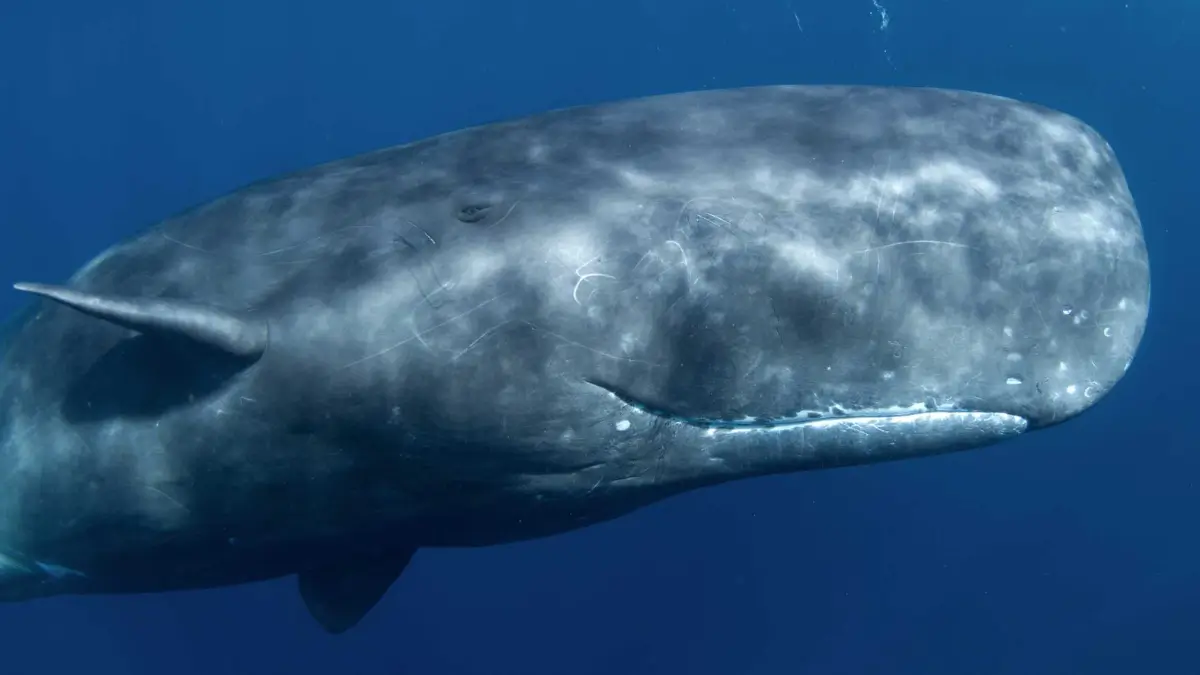
The Sperm Whale holds the record for having the largest and heaviest brain of any animal on Earth. This giant ocean mammal is known for its enormous head and deep-diving abilities.
The brain of a sperm whale weighs around 8 to 9 kilograms, which is about five to six times heavier than a human brain. This makes it the biggest brain ever recorded in the animal kingdom.
Where do Sperm Whales Live?
Sperm whales are found in oceans all around the world. They can live in both cold polar regions and warm tropical waters. These whales prefer deep seas because they hunt for food far below the surface.
They are excellent divers and can go over 2,000 metres deep, staying underwater for long periods without coming up for air.
Why do Sperm Whales have Such Large Brains?
The large brain of a sperm whale helps it survive in the dark depths of the ocean. Since sunlight cannot reach these depths, sperm whales use a special system called Echolocation.
This system allows them to:
- Send out sound waves
- Detect objects in the water
- Locate prey like squid and fish
Their brain processes these sound signals, helping them understand their surroundings even in complete darkness.
Physical Features of the Sperm Whale
Sperm whales are among the largest animals on Earth. Some key features include:
- They can grow up to 18 metres long
- Their head makes up nearly one-third of their body
- They have a block-shaped head filled with a special substance called spermaceti
- They have a single blowhole located on the left side
These features make them unique among all whale species.
What do Sperm Whales Eat?
Sperm whales mainly feed on:
- Giant squid
- Deep-sea fish
- Other ocean creatures
They dive deep into the ocean to hunt, using echolocation to track their prey in the dark.
Amazing Facts About Sperm Whales
Here are some fascinating facts about these giant animals:
- They sleep in a vertical position, floating upright in water
- Their clicks are the loudest sounds made by any animal
- They can hold their breath for up to 90 minutes
- They produce ambergris, a rare substance used in perfumes
- Their sound waves are strong enough to travel long distances underwater
Brain Size Comparison with other Animals
Even though many animals are large, not all of them have the biggest brains. Here’s a simple comparison:
- Sperm Whale: 8–9 kg brain
- Killer Whale (Orca): 5–7 kg brain
- Elephant: about 5 kg brain
- Human: about 1.3–1.5 kg brain
Interestingly, the Blue Whale is the largest animal on Earth, but its brain is smaller than that of the sperm whale.
Conservation Status
In the past, sperm whales were heavily hunted for oil and other products. This caused their population to decline sharply. Today, their numbers have improved, but they are still listed as a vulnerable species.
Efforts are being made worldwide to protect these magnificent creatures and their ocean habitats.


 Which Country is the Largest Importer of...
 List of Important Days in April 2026, Na...
 Which Place is known as the Glass Capita...