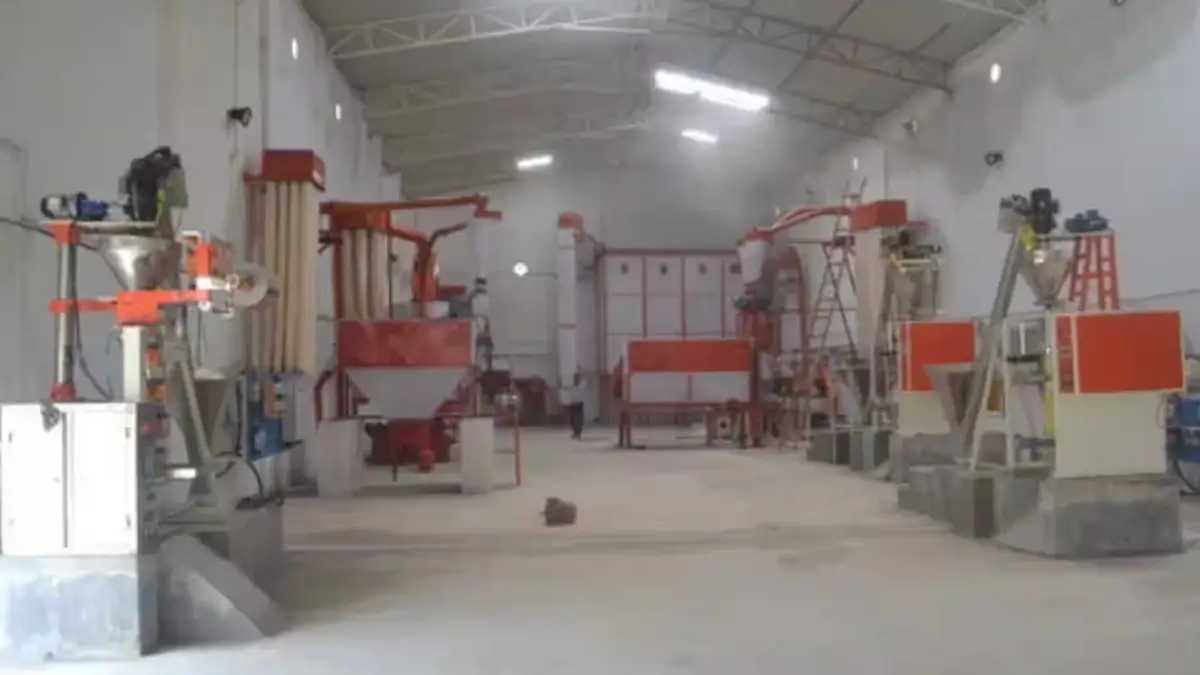
In India, many cities and districts are known for their unique industries and traditional businesses. Some areas are famous for textiles, others for spices, sugar, or machinery. In Uttar Pradesh, one particular district has gained recognition for its large number of flour mills (atta chakkis), which play an important role in supplying wheat flour to nearby regions and supporting local livelihoods.
City of Atta Chakki
The Baghpat district in western Uttar Pradesh is known as the City of Atta Chakki.
This district is also one of the leading agricultural regions of the state, where wheat and other crops are grown in abundance. The presence of these grains and the long history of flour production have helped the region develop into a center for flour mill manufacturing and related industries.
Why Baghpat is Called the City of Atta Chakki?
Baghpat’s title as the City of Atta Chakki mainly comes from the Angadpur Johri village, which has been a hub for flour mill production for many years.
- Almost 50% of the village’s population is directly involved in making atta chakkis.
- These mills are not machine-made but are crafted by hand, showing the community’s traditional skills and dedication.
- The chakkis made here are famous across India for their durability, quality, and craftsmanship.
This local industry has supported many families for generations, making Baghpat known for both agriculture and traditional manufacturing.
How the Chakkis Are Made?
The process of making these flour grinding stones is both artistic and labor-intensive.
- The stones are brought from Rajasthan, known for its hard and fine-quality rock.
- Skilled workers shape and polish the stones by hand using simple tools.
- Each chakki is carefully finished to ensure smooth grinding and long-lasting use.
Even in the modern age of automatic flour mills, the handmade chakkis of Baghpat continue to be in high demand across many Indian states.
Economic and Cultural Importance
The flour mill industry in Baghpat provides livelihoods to hundreds of families, especially in rural areas.
- It promotes small-scale entrepreneurship and keeps traditional skills alive.
- The industry attracts buyers from different parts of India, contributing to the local economy.
- It also represents the hardworking spirit of the people of Uttar Pradesh, who have turned a small craft into a well-known identity.


 How many Nuclear Power Plants in India? ...
 List of Important Days in April 2026, Na...
 Do you Know Which is the Most Spoken Lan...