Home   »   General Studies   »   Napoleon of India

Which Indian Ruler is Known as the Napoleon of India?
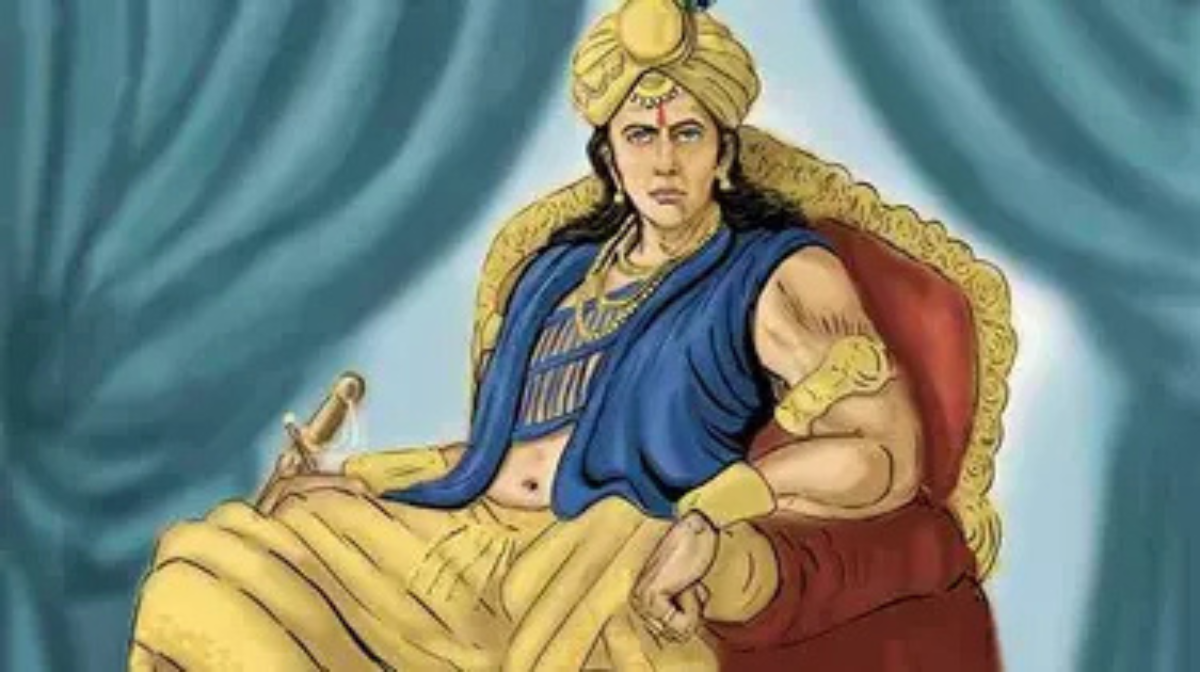
In the long history of India, many kings became famous for their bravery, wisdom, and leadership. Some rulers stood out not only for building strong empires but also for their unmatched military skills and strategies. Their victories in battles, expansion of territories, and ability to govern effectively earned them special titles from historians, comparing them to world-famous leaders. One such Indian king is often remembered with a unique title.

Who is Known as the Napoleon of India?

The title “Napoleon of India” is given to Samudragupta, the mighty ruler of the Gupta dynasty. Historian V. A. Smith compared him to Napoleon Bonaparte because of his extraordinary military skills and countless victories. Samudragupta expanded the Gupta Empire across northern, central, and southern India. Known for his clever strategies, diplomacy, and patronage of art and culture, he is remembered as one of India’s greatest warrior-kings.

Who was Samudragupta?

Samudragupta was the second ruler of the Gupta dynasty, one of the strongest empires in ancient India. He was the son of Chandragupta I, the founder of the dynasty, and took the throne in the 4th century CE. Under his leadership, the Gupta Empire expanded rapidly and became a symbol of prosperity and stability. His rule is remembered as a time of political strength as well as cultural growth.

Why is He Called the Napoleon of India?

The title “Napoleon of India” was given to Samudragupta because of his extraordinary success in military campaigns. Like Napoleon Bonaparte of France, he was bold, ambitious, and undefeated in war. Samudragupta fought and won battles across northern, central, and southern India, turning a small kingdom into a vast empire.

Unlike many conquerors, he often allowed defeated kings to remain in power, but under his control, ensuring they stayed loyal and paid tribute. This clever mix of force and diplomacy made his empire stronger without exhausting his army.

Major Achievements of Samudragupta

Samudragupta was more than just a warrior; he was a multi-talented king. Some of his key achievements include:

  • Military victories – He fought more than 100 battles and recorded numerous wins, bringing large parts of India under Gupta rule.
  • Cultural patronage – He encouraged arts, music, and learning, turning his court into a center of culture and scholarship.
  • Religious tolerance – Though a devout Hindu, he respected other religions and supported different traditions.
  • Artistic skills – Coins from his time show him playing the veena, proving his love for music and art.

Inscriptions and Records

Samudragupta’s achievements are well-documented in ancient inscriptions:

  • Allahabad Pillar Inscription – Describes his military conquests and victories.
  • Eran Stone Inscription – Highlights his reputation as a fearless ruler whose enemies even feared him in their dreams.

These inscriptions portray him as not just a strong warrior but also a wise ruler and a patron of knowledge.

Who came after Samudragupta?

After Samudragupta’s death, his son Chandragupta II, also known as Vikramaditya, succeeded him. Chandragupta II carried forward his father’s vision, expanded the empire even more, and presided over the Golden Age of India, a time of great wealth, scientific progress, and cultural achievements.

prime_image
About the Author

My role as a content writer specializing in current affairs at Adda247 involves meticulously researching and crafting compelling articles aimed at guiding and informing candidates preparing for National and State Level Competitive Government Exams. With a dedication to educational excellence, I strive to keep our candidates abreast of the latest developments and trends in current affairs. By providing insightful and engaging content, I aim to ensure that aspiring candidates are well-prepared and informed for their examinations.