
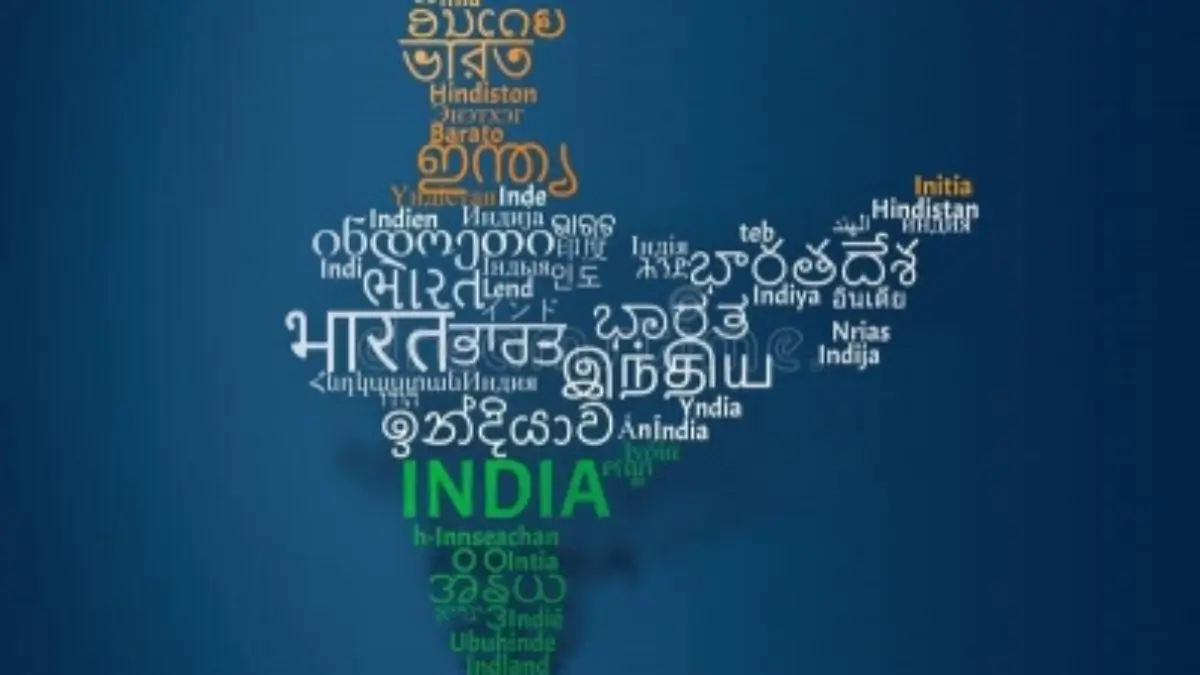
Did you know that India is one of the most linguistically diverse countries in the world? With hundreds of languages spoken across regions, language plays an important role in daily life, culture, and administration.
Every state in India has its own identity, and language is a big part of it. While some states follow one main official language, others recognize multiple languages to represent their diverse population.
This diversity often comes from history, migration, and cultural mixing. In many regions, people speak different languages at home, in schools, and in government offices.
Because of this, some states choose to give official status to more than one language. This helps people communicate easily and ensures that different communities feel included and respected.
Understanding which states have multiple official languages gives us a better idea of India’s rich cultural and linguistic unity in diversity.
List of Indian States with Two or More Official Languages
Here is a simplified table showing states that have adopted two or more official languages:
| S. No. | State | Official Languages | Second Official Language |
| 1. | Andhra Pradesh | Telugu | English |
| 2. | Assam | Assamese | Bengali, Bodo |
| 3. | Bihar | Hindi | Urdu |
| 4. | Chhattisgarh | Hindi | Chhattisgarhi |
| 5. | Goa | Konkani, English | Marathi |
| 6. | Gujarat | Gujarati | Hindi |
| 7. | Haryana | Hindi | English, Punjabi |
| 8. | Himachal Pradesh | Hindi | Sanskrit |
| 9. | Jharkhand | Hindi | Multiple regional languages |
| 10. | Karnataka | Kannada | English |
| 11. | Kerala | Malayalam | English |
| 12. | Manipur | Manipuri | English |
| 13. | Meghalaya | English | Khasi, Garo |
| 14. | Mizoram | Mizo | English, Hindi |
| 15. | Sikkim | English, Nepali, Sikkimese, Lepcha | Several regional languages |
| 16. | Tamil Nadu | Tamil | English |
| 17. | Telangana | Telugu | Urdu |
| 18. | Tripura | Bengali, English, Kokborok | – |
| 19. | Uttar Pradesh | Hindi | Urdu |
| 20. | Uttarakhand | Hindi | Sanskrit |
| 21. | West Bengal | Bengali, English | Multiple regional languages |
Union Territories with Multiple Official Languages
Some union territories also have more than one official language due to their unique cultural mix:
| S. No. | Union Territory | Official Languages | Second Official Languages |
| 1. | Andaman and Nicobar Islands | Hindi, English | – |
| 2. | Dadra and Nagar Haveli and Daman and Diu | Gujarati, Konkani, Marathi, Hindi | – |
| 3. | Delhi | Hindi, English | Urdu, Punjabi |
| 4. | Lakshadweep | Malayalam | English |
| 5. | Jammu and Kashmir | Kashmiri, Dogri, Hindi, Urdu, English | – |
| 6. | Ladakh | Hindi, English | – |
| 7. | Puducherry | Tamil, French, English | Telugu, Malayalam |
Why do Some States have Multiple Official Languages?
Many Indian states have diverse populations where different language groups live together. To promote inclusivity and avoid communication barriers, these states recognize more than one official language.
This approach also helps preserve regional languages and cultural identity while ensuring smooth governance and administration.
Importance of Multiple Official Languages
Having more than one official language plays an important role in a country like India. It helps people communicate easily with government authorities and ensures equal participation in public life.
It also promotes unity in diversity by respecting different cultures and languages, which is one of the biggest strengths of India.


 What is the Old Name of Punjab? Check He...
 GK Quiz on Strait of Hormuz, Questions a...
 Which Countries Border the Strait of Hor...











