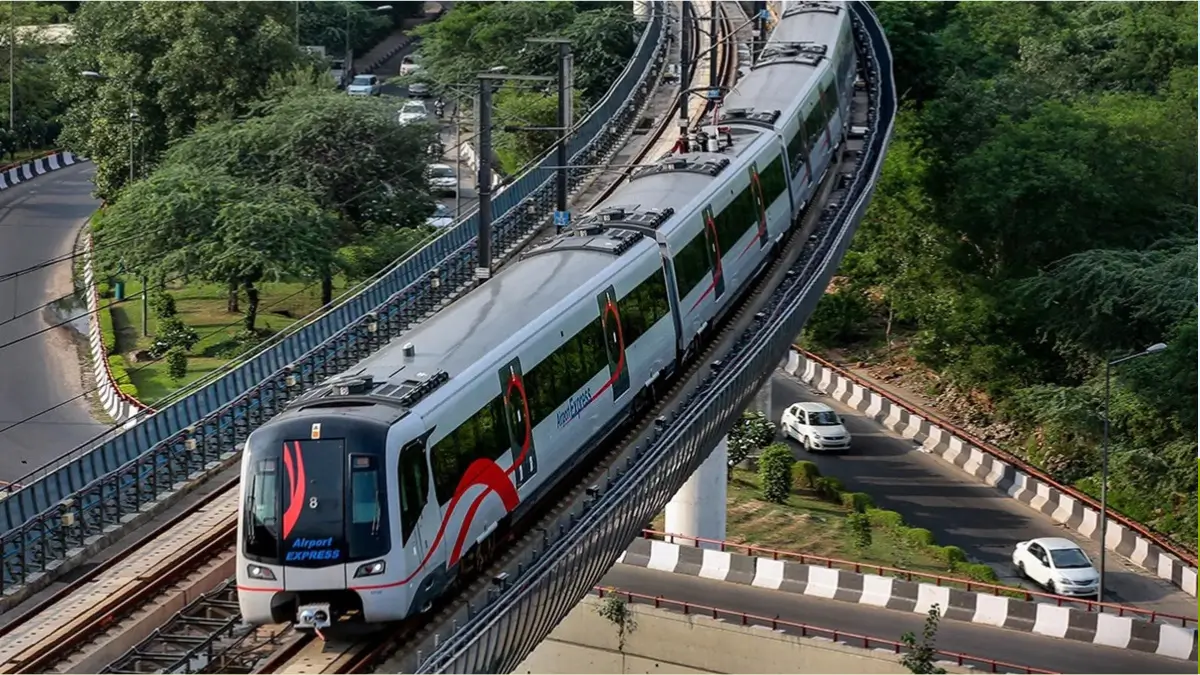
Did you ever notice how big cities are always busy with traffic and crowds? To make travel faster and easier, many cities built modern train systems that run under the ground and above the roads. These systems help people reach school, office, and markets on time.
India has developed metro rail services in several major cities over the years. Each network keeps growing with new routes and stations, connecting more areas every year. Some metros are small and local, while others stretch across huge distances.
In one city, the metro has become a lifeline for daily life. Thousands of passengers depend on it every morning and evening because it saves both time and energy.
The longest network stands out because of its wide coverage and advanced facilities. Clean stations, fast trains, and frequent services make it one of the busiest and most important transport systems in the country.
So when we talk about the largest metro network in India, we are really talking about a system that changed the way people travel and shaped the growth of the city around it.
Largest Metro System in India
The Delhi Metro is the largest metro network in India. It is operated by the Delhi Metro Rail Corporation (DMRC) and serves Delhi along with the National Capital Region (NCR). The network connects nearby cities such as Noida, Gurugram, Faridabad, and Ghaziabad.
Because of its long routes, many interchange stations, and huge number of commuters, it is considered the backbone of public transport in North India. It has greatly reduced travel time and road congestion in the region.
Why Delhi Metro is So Important?
The metro has changed daily life in the capital in several ways:
- Provides fast and punctual travel
- Reduces traffic jams and pollution
- Offers safe and comfortable journeys
- Connects residential, business, and educational areas
- Helps office workers and students reach destinations on time
Today, lakhs of passengers depend on it every day for work, study, and shopping trips.
The Longest Line in Delhi Metro
The Yellow Line is the longest route in the Delhi Metro network. It runs about 49 km from Samaypur Badli (North Delhi) to Millennium City Centre, Gurugram (South NCR).
This route is extremely busy because it links major commercial and residential areas. Important interchange stations like Rajiv Chowk, Kashmere Gate, and Central Secretariat fall on this line, making it one of the most used corridors in the system.
Areas Connected by Delhi Metro
- North Delhi: Samaypur Badli, Rohini, Jahangirpuri, Mukherjee Nagar
- South Delhi: Saket, Qutub Minar, Mehrauli, Millennium City Centre
- East Delhi: Shahdara, Welcome, Laxmi Nagar, Anand Vihar
- West Delhi: Dwarka, Janakpuri, Uttam Nagar
- Central Delhi: Rajiv Chowk, Central Secretariat, Kashmere Gate
- NCR Cities: Gurugram, Noida, Greater Noida, Faridabad, Ghaziabad
Because of this wide coverage, people can travel across states without changing their main transport system.
Benefits for Daily Commuters
The Delhi Metro has made travel:
- Faster than road transport
- More predictable in timing
- Safer for women and families
- Affordable compared to fuel costs
It also supports economic growth by connecting offices, markets, and industrial areas.


 Where is the Strait of Hormuz Located?
 Best Airlines in the World 2026: Best Fu...
 Who Invented the QR Code? Check Here