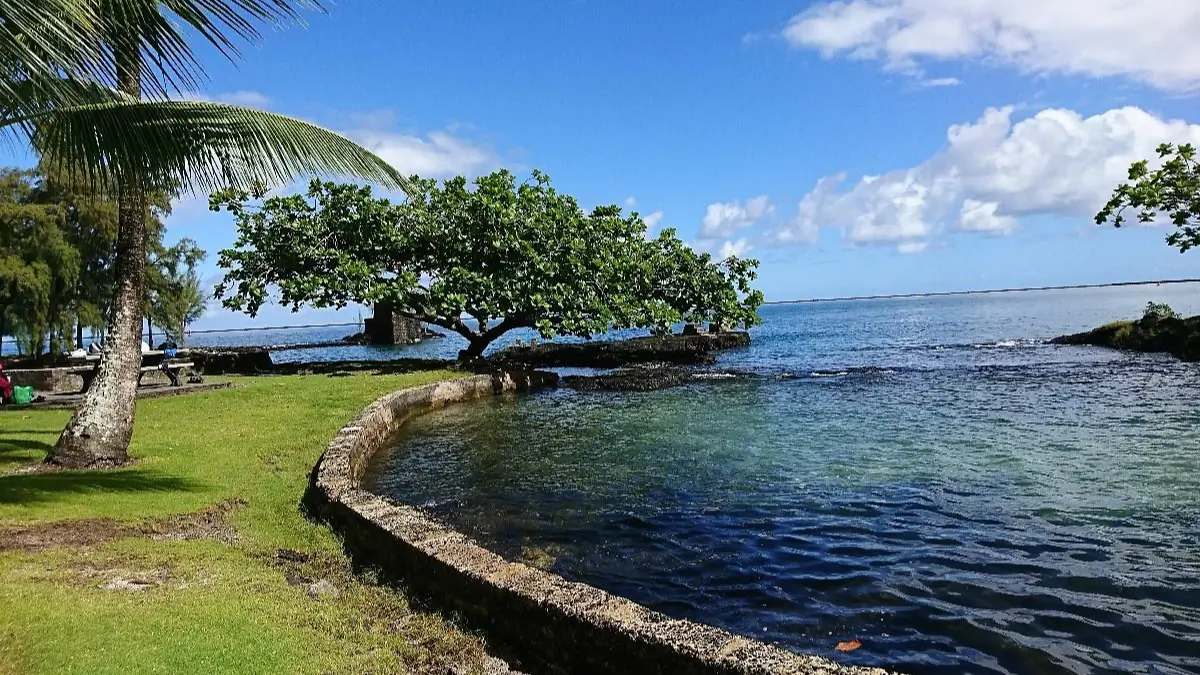
Islands around the world are often given special names because of their natural beauty, plants, or unique features. Some islands are especially famous for the trees that grow there in large numbers and support local life. One such island is well known for its green landscape, tropical climate, and strong connection with a useful fruit that plays an important role in food, culture, and daily living.
Which Island is known as the Coconut Island?
Lakshadweep is famously called the Coconut Island because coconut trees are found everywhere across its islands. From the coastline to village areas, tall coconut palms shape the natural beauty of this region. Coconut is not just a tree here; it is a way of life. It supports food habits, income, housing, and traditions, making Lakshadweep closely connected with coconut cultivation.
Why is Lakshadweep known as the Coconut Island?
Lakshadweep is known as the Coconut Island because coconut trees are the most common and useful plants on the islands. The warm climate, salty sea air, and sandy coral soil create perfect conditions for coconut growth. Islanders depend heavily on coconuts for daily needs such as cooking, oil, ropes, mats, and house roofing. This deep dependence gave Lakshadweep its popular title.
Natural Conditions Supporting Coconut Growth
The islands of Lakshadweep have a tropical climate with plenty of sunlight and rainfall. The coastal environment and well-drained sandy soil are ideal for coconut trees. Since there is limited land and freshwater, coconuts grow better than most other crops, making them the main agricultural product of the region.
Location of Lakshadweep
Lakshadweep is a group of small islands located in the Arabian Sea, to the west of Kerala on India’s south-west coast. It consists of coral islands, lagoons, and atolls spread over a large sea area. Its isolated location has helped preserve its natural beauty and coconut-rich landscape.
Coconut Cultivation in Lakshadweep
Coconut farming is the backbone of agriculture in Lakshadweep. Almost every household owns coconut trees. Coconuts are used fresh or dried to make copra. Since large-scale farming is not possible, coconut remains the most suitable and reliable crop for islanders.
Economic Importance of Coconut
Coconut plays a major role in the local economy. Copra production, coconut oil extraction, and coir-making provide income to many families. Small cottage industries produce ropes, mats, handicrafts, and fishing tools using coconut fibre. These activities support livelihoods and reduce dependence on mainland supplies.
Role of Coconut in Daily Food
Coconut is an essential ingredient in Lakshadweep cuisine. Fresh coconut, coconut milk, and coconut oil are used in curries, rice dishes, and traditional recipes. Due to limited vegetable availability, coconut adds both nutrition and flavour to daily meals.
Cultural and Traditional Value
Coconut has strong cultural importance in Lakshadweep. Coconut leaves are used for roofing, baskets, and decorations. Shells are turned into household items, while fibres are used for fishing nets and ropes. Many customs and celebrations also include coconut as a symbol of prosperity and purity.
Limited Agriculture Options
Because the islands are small and freshwater is scarce, farming choices are limited. Coconut is the most practical crop that grows well without heavy water use. Other crops are grown only in small quantities, making coconut the dominant agricultural resource.
Interesting Facts About Coconut in Lakshadweep
The coconut-covered landscape gives Lakshadweep its lush green look and helps protect islands from strong winds and soil erosion. Coconut trees also help maintain ecological balance on fragile coral islands.


 Which Place is known as the Denmark of I...
 Which Indian State is the Largest Produc...
 What is the Strait of Hormuz? Know About...