
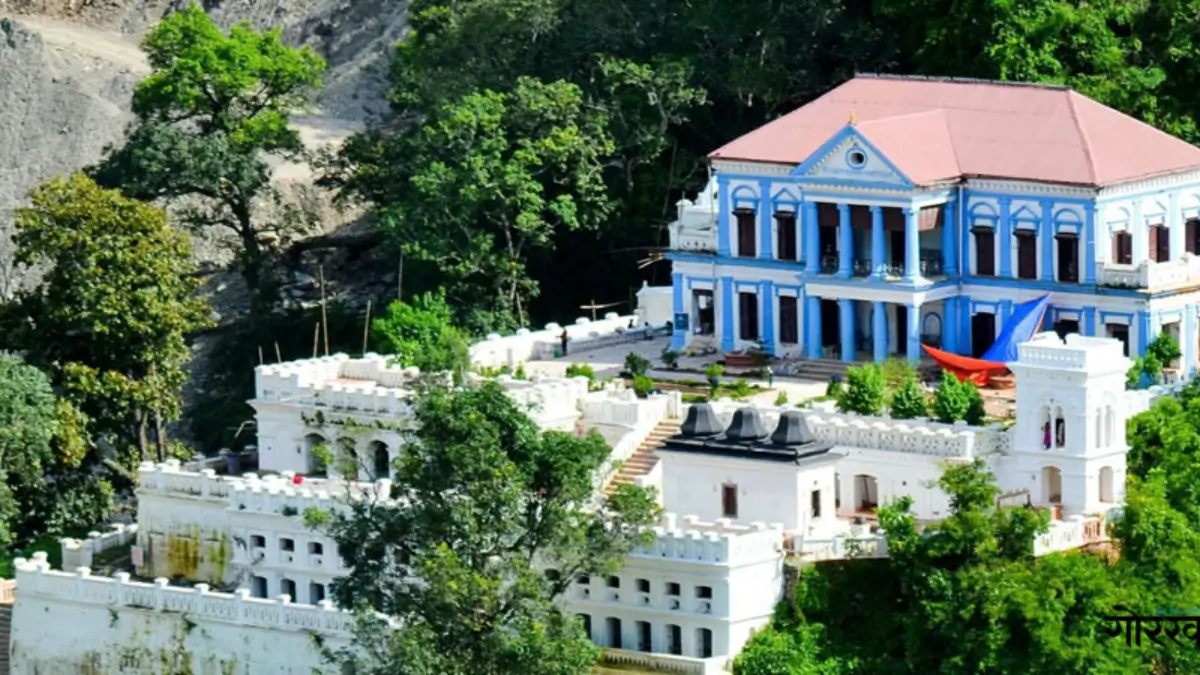
Nepal is home to many beautiful monuments that tell stories of history, art, and emotions. Among them is one structure that is often compared to the Taj Mahal because of its romantic background and elegant design. Built beside a river and surrounded by natural beauty, this monument reflects deep love and royal feelings, making it a special symbol of devotion and architectural grace.
Taj Mahal of Nepal
The monument known as the Taj Mahal of Nepal is Rani Mahal. It is a beautiful palace located in the Palpa district beside the Kali Gandaki River. Built in 1893 by General Khadga Shamsher Rana, it was made in memory of his beloved wife, Tej Kumari Devi. Because it was built as a symbol of love, Rani Mahal is often compared to India’s Taj Mahal.
Why is Rani Mahal called the Taj Mahal of Nepal?
Rani Mahal earned the title “Taj Mahal of Nepal” because it was built by a husband in memory of his wife. General Khadga Shamsher Jang Bahadur Rana constructed this palace in 1893 after the death of his youngest wife, Tej Kumari Devi. Just like the Taj Mahal was built by Shah Jahan for Mumtaz Mahal, Rani Mahal was created as a symbol of eternal love and remembrance.
Location of Rani Mahal
Rani Mahal is located in the Palpa District of western Nepal. It is built on a large rock beside the Kali Gandaki River, one of Nepal’s most sacred rivers. The palace lies in a narrow gorge near Ranighat, which gives it a peaceful and isolated atmosphere. Its remote location adds to its charm and historical importance.
Historical Background of Rani Mahal
The palace was built during the Rana period, a time known for grand palaces and unique architecture. General Khadga Shamsher chose a secluded riverside spot so he could grieve and pray in peace. After his death, the palace was abandoned. Today, Rani Mahal is protected as a historical monument and museum, attracting visitors from around the world.
Architectural Style of Rani Mahal
Rani Mahal is a beautiful blend of Indo-Saracenic and Neoclassical architecture. This means it combines British colonial design with traditional Nepali craftsmanship. The palace features tall pillars, wide windows, strong walls, and elegant detailing. Despite being more than 130 years old, the structure remains strong and graceful.
Lesser-Known Facts About Rani Mahal
One fascinating fact is that Rani Mahal is built on a single natural rock, which helps protect it from river floods during the monsoon season. The palace uses traditional brick and lime mortar, making it flexible enough to withstand earthquakes. The thick walls and high ceilings help maintain a comfortable temperature throughout the year.
Another unique feature is that the palace was built in a deep river gorge, unlike most royal buildings found in cities. The stairs of the palace lead directly to Rani Ghat, a sacred spot where the river flows northward, which is considered auspicious in Hindu beliefs.
Present Status of Rani Mahal
Today, no one lives in Rani Mahal. It has been restored and preserved as a heritage site. Visitors can explore its rooms, admire the architecture, and learn about its emotional history. The palace has become a popular tourist attraction and a symbol of Nepal’s rich cultural heritage.
Which Monument is known as the Mini Taj Mahal?
The Tomb of I’timad-ud-Daulah in Agra, India, is known as the Mini Taj Mahal or Baby Taj. It was built by Empress Nur Jahan for her father between 1622 and 1628. This tomb was the first Mughal monument made entirely of white marble and introduced delicate stone inlay work.
Which Monument is known as the Taj of the Deccan?
Bibi Ka Maqbara, located in Chhatrapati Sambhajinagar (Aurangabad), Maharashtra, is called the Taj of the Deccan. It was built in 1660 by Prince Azam Shah in memory of his mother, Dilras Banu Begum. Its design closely resembles the Taj Mahal, though on a smaller scale.


 Which Place is known as the Diamond Capi...
 List of Major LPG Gas Companies in India...
 Which Fish Can Produce Electricity?











