
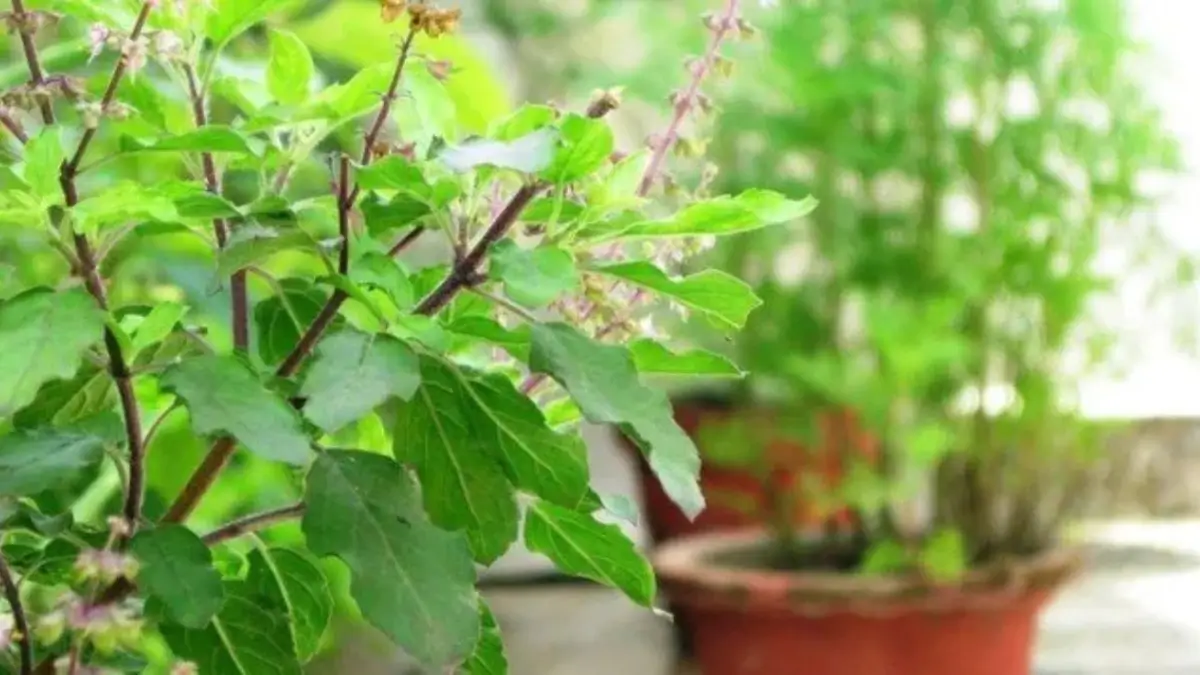
Herbs have been important to humans for thousands of years for food, medicine, and spiritual purposes. Some herbs are very special because they have strong healing powers, pleasant aroma, and cultural or religious value. People often respect these herbs and grow them in homes or temples. One particular herb is famous all over the world for its health benefits and sacred significance, making it very popular and highly valued.
Queen of Herbs
Tulsi, also called Holy Basil, is a very special plant known for its amazing health benefits and spiritual importance. It is one of the most loved plants in India and is also recognized all over the world for its healing properties. People grow Tulsi in homes, gardens, farms, and temples because it is easy to grow and helps in maintaining good health naturally.
Why Tulsi is called as the Queen of the Herbs?
Tulsi is called the Queen of Herbs because it helps the body in many ways at the same time. It improves immunity, supports heart and respiratory health, aids digestion, and helps calm the mind. Unlike other herbs that usually serve only one purpose, Tulsi works as a complete wellness plant, making it very special among medicinal plants.
Scientific Name and Plant Family
The scientific name of Tulsi is Ocimum tenuiflorum. It belongs to the Lamiaceae or mint family. Tulsi grows well in tropical climates and can survive in pots, gardens, and open soil with very little care. This makes it very easy for people to grow and use every day.
Health Benefits of Tulsi
Tulsi has many natural compounds that make it very powerful:
- Antioxidants – Protect the body from harmful molecules.
- Antibacterial, Antiviral, and Antifungal – Fight infections naturally.
- Anti-inflammatory – Reduce swelling and pain.
These properties make Tulsi useful for improving immunity, controlling stress, supporting metabolism, and protecting against lifestyle diseases like heart problems and diabetes.
Tulsi in Ayurveda
In Ayurveda, Tulsi is considered an adaptogen, which means it helps the body cope with stress, both physical and mental. It is used in many forms such as herbal oils, teas, powders, tablets, syrups, and kadha (a traditional herbal drink) to promote long-term health.
Spiritual and Cultural Significance
Tulsi holds a sacred place in Hindu culture. Many Indian households worship the Tulsi plant daily. It is believed to purify the surroundings, remove negative energy, and bring positivity and spiritual wellness. Growing Tulsi at home is also seen as a symbol of devotion and good fortune.
Everyday Uses of Tulsi
Tulsi is very versatile and is used in daily life in many ways:
- Herbal Teas and Immunity Drinks – Boosts overall health.
- Ayurvedic Medicines – Treats infections and supports wellness.
- Skin and Hair Care Products – Helps improve skin and hair health.
- Dental Products – Keeps teeth and gums healthy.
- Fresh Leaves – Can be eaten for detoxification and better breathing.
Interesting Facts About Tulsi
- Natural Immunity Booster: Tulsi strengthens the body’s defense system, helping it fight infections, cold, flu, and other illnesses. It also improves energy and overall vitality.
- Stress and Anxiety Relief: Tulsi lowers stress hormone levels in the body, helping reduce anxiety, fatigue, and mental tiredness. Regular use can improve focus, calmness, and emotional balance.
- Supports Respiratory Health: Tulsi is used to relieve cough, cold, asthma, bronchitis, and throat infections. It helps clear mucus and makes breathing easier during seasonal sickness.
- Easy to Grow: Tulsi needs very little water, sunlight, and care. People can easily grow it at home and use fresh leaves daily for health benefits.
- Global Recognition: Tulsi is not just popular in India but also used worldwide in herbal supplements, detox teas, and wellness products. Its trusted traditional use has made it a favorite in international health markets.


 What is National Investigation Agency? C...
 Which State is the Largest Petroleum Pro...
 Largest Crude Oil Supplier Countries to ...











