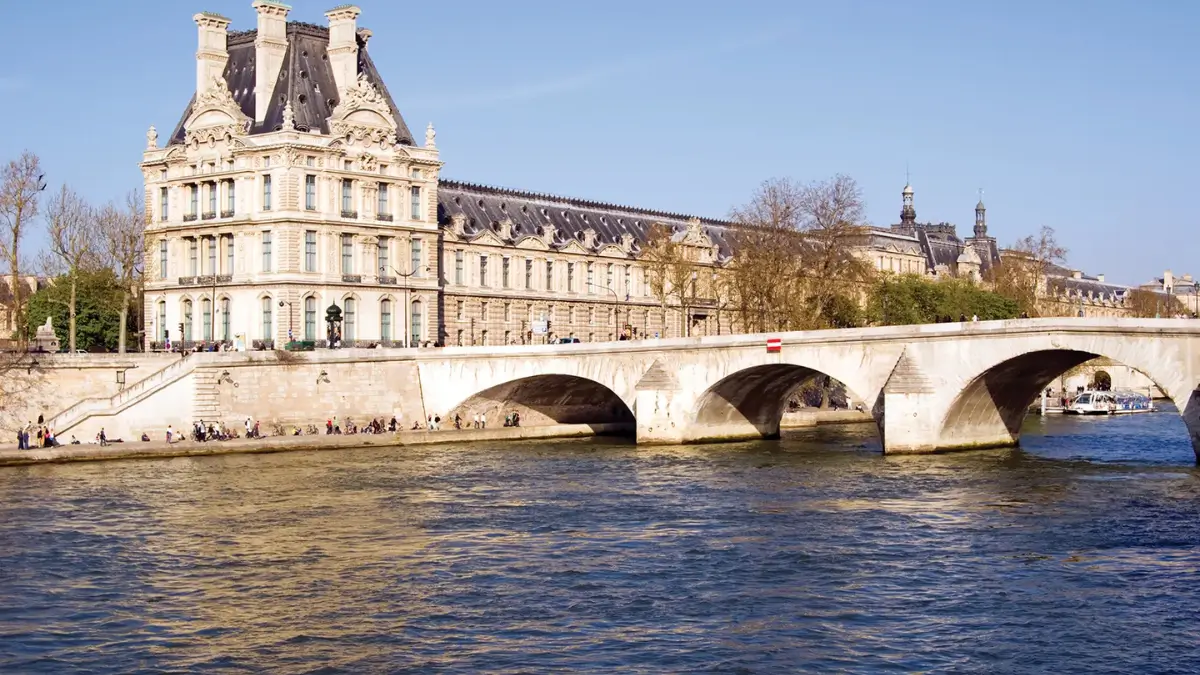
The city of Paris is known for its beautiful bridges, stunning streets, and rich history, but one important natural feature plays a major role in shaping the city’s life and growth. A famous river flows through the heart of Paris, adding charm, supporting transportation, and influencing culture and tourism. Understanding this river helps us appreciate how Paris developed into one of the world’s most loved cities.
The River than Runs Through Paris
The river that flows through Paris is the Seine River. It stretches for about 777 kilometres across northern France. The Seine begins at a small spring called Source-Seine, located on the Langres Plateau in the Burgundy region. From there, it travels through several towns before reaching Paris, where it divides the city into the Left Bank and Right Bank.
After passing through Paris, the Seine continues toward the northwest and finally reaches the English Channel near the ports of Le Havre and Honfleur. The river’s calm flow and deep water channel make it an important route for boats, linking Paris to the sea.
A River that Shapes the City
The banks of the Seine in Paris are considered so special that they have been declared a UNESCO World Heritage Site. Many famous landmarks such as the Eiffel Tower, Notre-Dame Cathedral, and the Louvre Museum stand close to the river, making it one of the best places for sightseeing.
The river also supports trade and tourism. Many people enjoy river cruises that show the beauty of Paris from the water. Locks along the river help maintain a steady water level, making it safe for transport.
Interesting Facts About the Seine River
- A Name from Ancient Times: The word “Seine” comes from Sequana, a Celtic goddess believed to protect the river’s source.
- Paris Owns the River’s Source: Though the source is nearly 300 km away, it is officially owned by the City of Paris.
- The Seine Is Deepened by Locks: Inside Paris, the river is made deeper by locks and averages around 9.5 metres in depth.
- Pont Neuf Is the Oldest Bridge: Despite its name meaning “New Bridge,” Pont Neuf is actually the oldest bridge still standing over the Seine in Paris.
- Swimming Is Banned: Swimming in the river has been banned since 1923 because of pollution, although cleanup projects aim to change this.
- The Great Flood of 1910: In 1910, the river flooded so badly that people had to move around the city using boats.
- Booksellers by the River: The riverbanks host famous green stalls run by Les Bouquinistes, who sell secondhand books and artwork.
- A Tributary With More Water: The Yonne River, which joins the Seine, actually brings more water than the Seine itself.
- Symbol of Paris: The coat of arms of Paris features a boat, showing the river’s importance to the city’s history.
- Bridges Destroyed in World War II: During World War II, several bridges between Paris and the sea were destroyed during Allied bombings to block German forces.


 Where is the Strait of Hormuz Located?
 Best Airlines in the World 2026: Best Fu...
 Who Invented the QR Code? Check Here