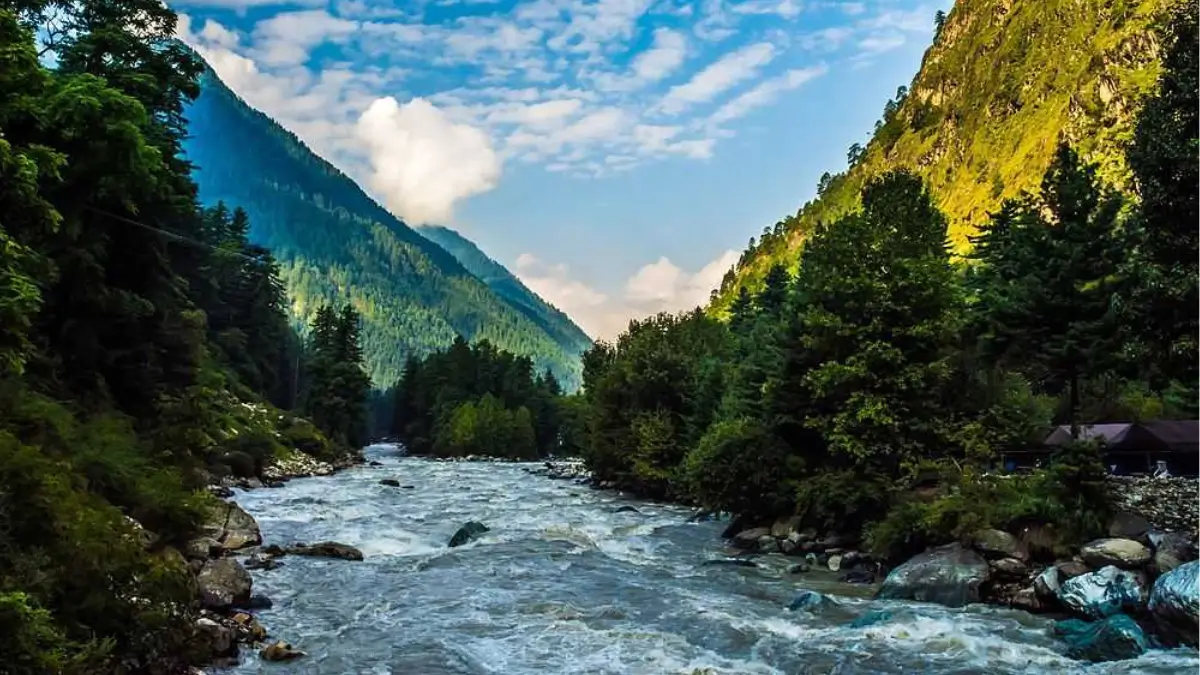
In a land where sand stretches far and rain is rare, water becomes the most precious gift of nature. Life in such dry regions depends on a single natural source that nourishes people, animals, and crops. This river turns barren land into living settlements, supports farming, and makes survival possible. Its presence brings hope and continuity to one of India’s harshest landscapes.
Lifeline of the Thar Desert
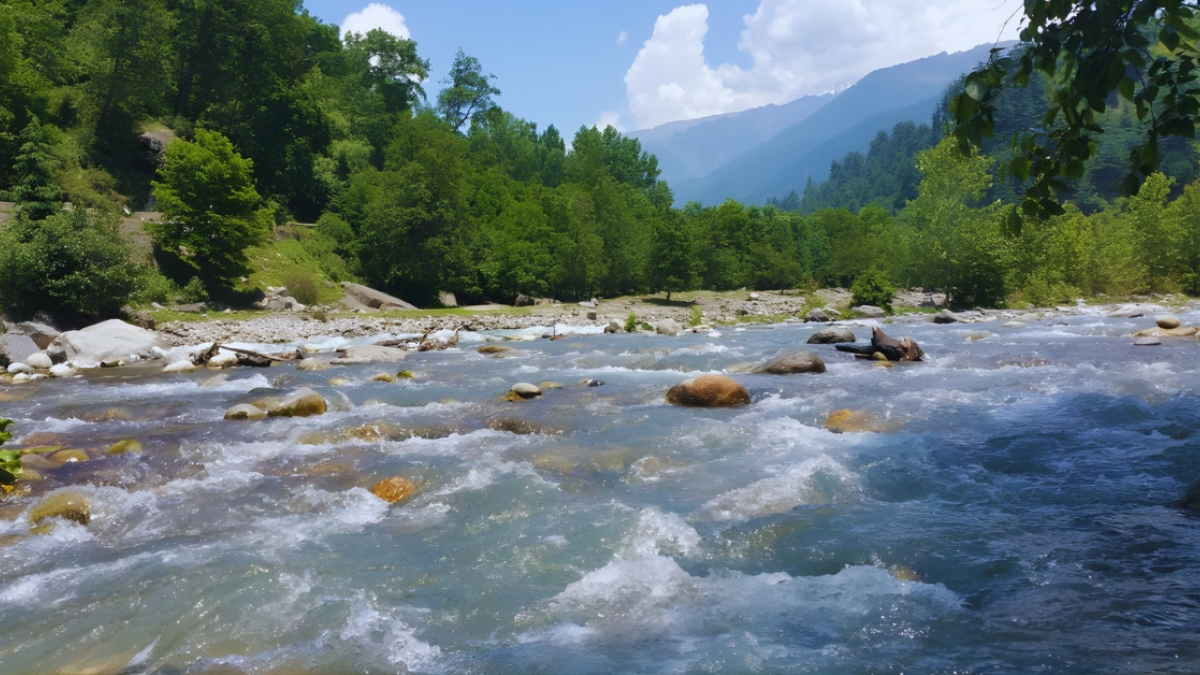
The Luni River is known as the Lifeline of the Thar Desert. It is the only large river system in this dry part of northwest India. Without the Luni, survival in many desert areas would be extremely difficult.
The river begins its journey in the Aravalli Range near Pushkar, close to Ajmer in Rajasthan. At its source, it is called Sagarmati. After meeting a small tributary near Govindgarh, it gets the name Luni. From there, it flows southwest for about 495 kilometres across the desert lands.
Route of the Luni River
The Luni flows through several districts of Rajasthan, including Jodhpur, Pali, Jalore, and Barmer. After crossing Rajasthan, it enters Gujarat.
Unlike most rivers, the Luni does not reach the sea. Instead, it slowly loses its strength and finally disappears into the salty marshes of the Rann of Kutch. Because it ends inland, it is called an endorheic river—a river that does not drain into any ocean.
A Seasonal River of the Desert
The Luni is a seasonal river. It flows mainly during the monsoon months when rainwater fills its bed. For the rest of the year, large parts of the river remain dry. Even though it flows for only a few months, it is extremely important. During the rainy season, its water:
- Recharges underground water
- Supports farming in nearby villages
- Provides drinking water for people and animals
This is why it is called the lifeline of the desert.
Why is the Luni Called the Salt River?
In ancient Sanskrit texts, the Luni is known as Lavanavari, which means “Salt River.” Near its source, the water is fresh and clean. However, after crossing about 100 kilometres and reaching areas like Balotra, the water becomes salty. This happens because the river flows through desert soil rich in salt. As it moves forward, salt mixes into the water, making it unfit for drinking in many lower areas.
Importance of the Luni River
Despite being seasonal and salty in parts, the Luni is very important for the Thar Desert:
- It is the only major river of the region
- It supports agriculture in dry lands
- It helps in groundwater recharge
- It sustains villages and livestock
- It shapes the desert’s natural landscape
The Jaswant Sagar Dam, built on this river in 1892, is one of the largest artificial lakes in Rajasthan and helps store water for nearby areas.
Largest River of the Thar Desert
With a length of nearly 500 kilometres, the Luni is the largest and most important river of the Thar Desert. No other river in this region matches its size or impact. For centuries, people living in Rajasthan’s desert areas have depended on this river. Even today, it remains a symbol of life in a land where water is rare.


 Which Place is known as the Onion Hub of...
 RBI Plans to Make TReDS Registration Eas...
 KreditBee Joins Unicorn Club After Raisi...