
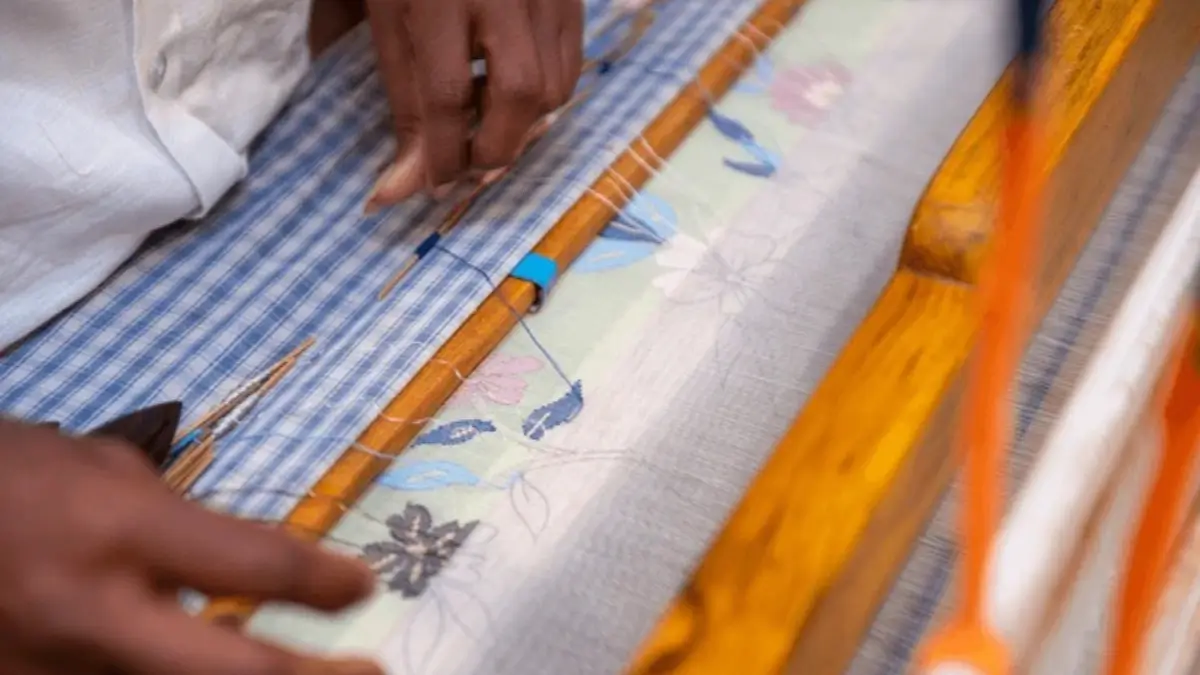
India is famous for its colorful and skilled handloom tradition. Every state has its own style of weaving, patterns, and designs that show its culture and history. Handloom products like sarees, fabrics, and scarves are made by skilled artisans using traditional methods. This craft provides jobs to millions of people and is an important part of the economy. Some states are especially famous for their handloom industries and weaving heritage.
Which State is known as the Handloom Capital of India?
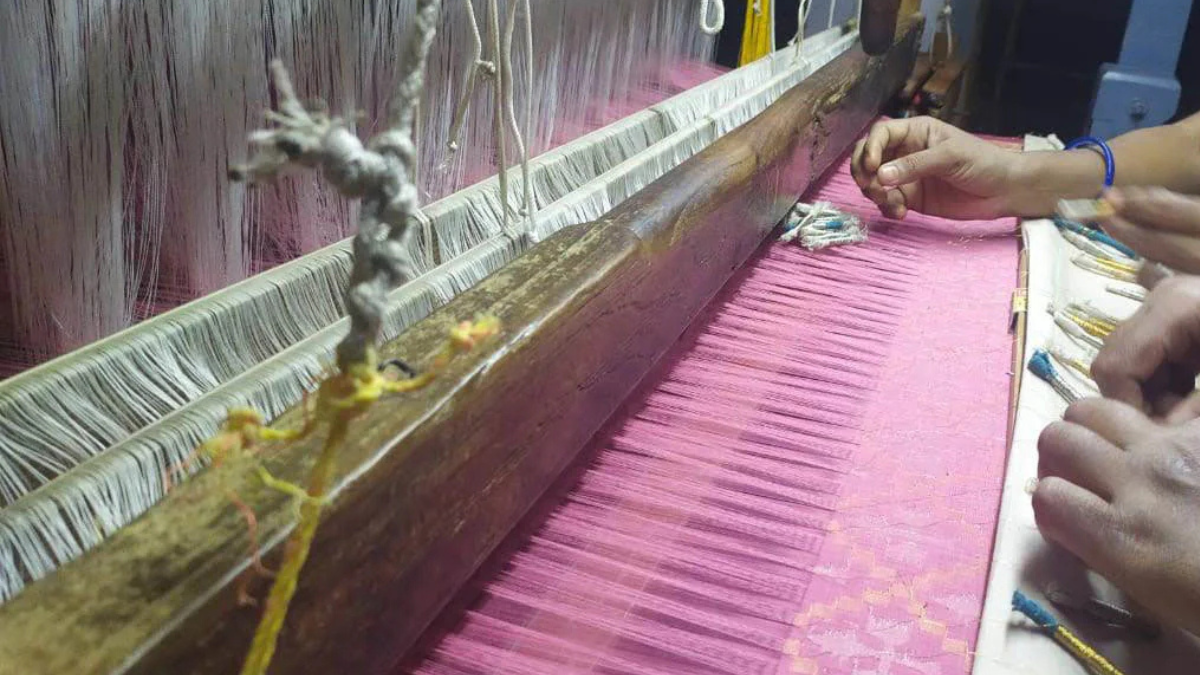
Odisha is known as the Handloom Capital of India. The state has a large number of skilled weavers and is famous for its traditional Ikat (Bandha) weaving. Odisha produces well-known textiles like Sambalpuri, Bomkai, Khandua, and Kotpad fabrics. Handloom weaving supports rural livelihoods, especially women, and preserves cultural traditions. These fabrics often tell stories of nature, mythology, and tribal art, making Odisha a leader in handloom heritage.
Why is Odisha known as the Handloom Capital of India?
Odisha earned the title of Handloom Capital of India because handloom weaving is not just a craft but a way of life here. Thousands of weavers work across villages, creating fabrics that are recognized worldwide. The handloom industry provides jobs, preserves age-old traditions, and forms an essential part of the state’s culture and economy.
Famous Handloom Technique – Ikat
Odisha is especially famous for the Ikat weaving technique, locally called Bandha. In this method, threads are tied and dyed before weaving. This careful preparation produces intricate designs with sharp, vibrant patterns. Each piece requires patience, precision, and great skill, making every fabric unique.
Popular Handloom Products of Odisha
Odisha produces a variety of handloom textiles known for their beauty and durability. Some of the most famous include:
- Sambalpuri Sarees – Known for their bright colors and traditional designs
- Bomkai Sarees – Famous for artistic embroidery and patterns
- Khandua Silk – Traditionally worn during religious ceremonies
- Pasapali and Kotpad Fabrics – Unique for their geometric and tribal designs
These textiles are not only garments but also carry cultural and religious stories.
Role of Handloom in Odisha’s Economy
Handloom weaving is a major source of income for Odisha’s rural families. It especially empowers women, as many handloom artisans are women who manage weaving as a profession. The industry supports cottage businesses and contributes significantly to the state’s economy while keeping traditional skills alive.
Cultural Significance of Odisha Handlooms
The designs on Odisha fabrics often tell stories from mythology, nature, temples, and tribal life. Handloom textiles are deeply linked to festivals, rituals, and everyday traditions. Wearing these fabrics is a way of celebrating Odisha’s heritage and keeping its cultural stories alive.
Interesting Facts About Odisha Handlooms
- Largest Weaver Community – Odisha has one of the biggest handloom workforces in India.
- Skillful Ikat Weaving – Creating an Ikat fabric requires precision and expertise.
- Women-Led Craft – Many handloom artisans are women, making weaving an empowering profession.
- Cultural Storytelling – Each fabric often represents myths, religious beliefs, or nature.
- Global Recognition – Odisha handloom products are exported worldwide and showcased in national fairs.


 Which City is known as the Purple City o...
 Which River is known as the Lifeline of ...
 What is the Old Name of Jharkhand?











