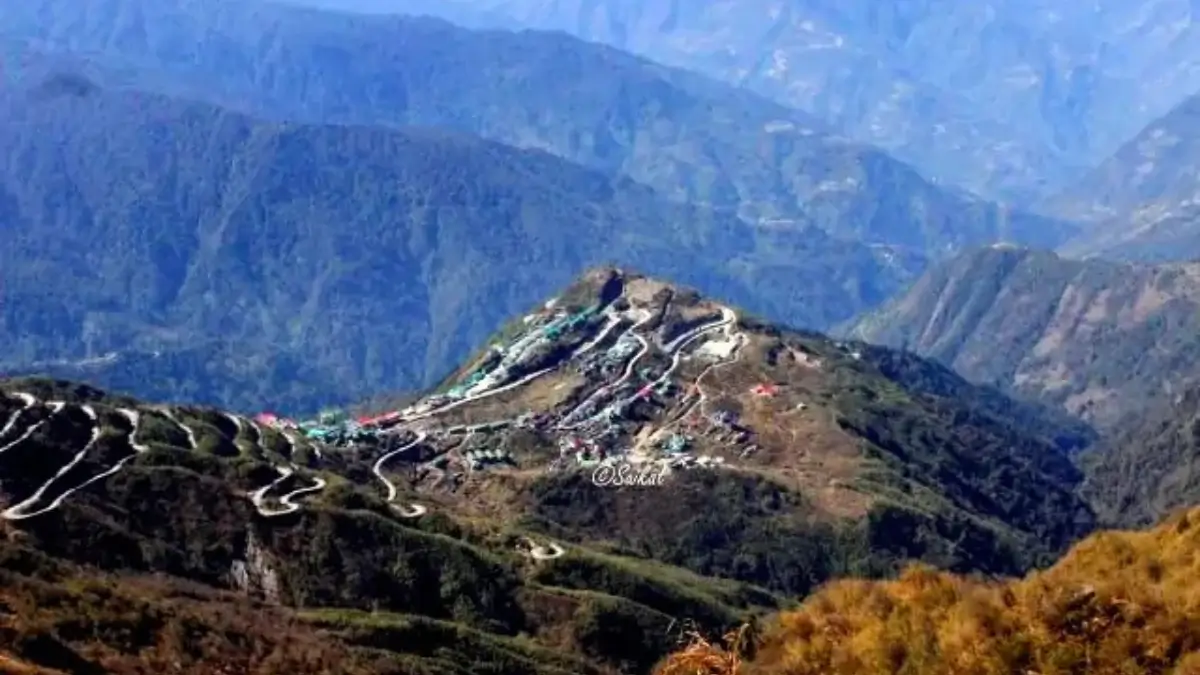
High in the Himalayas, there is a land that once connected faraway regions through trade and travel. Long ago, merchants crossed snowy passes carrying silk, spices, wool, and precious goods. These paths helped link India with Tibet and Central Asia. Along this ancient route, one special valley became a busy center of movement, culture, and exchange, leaving behind a rich story of history and connection.
Which Valley is known as the Himalayan Silk Route Valley?
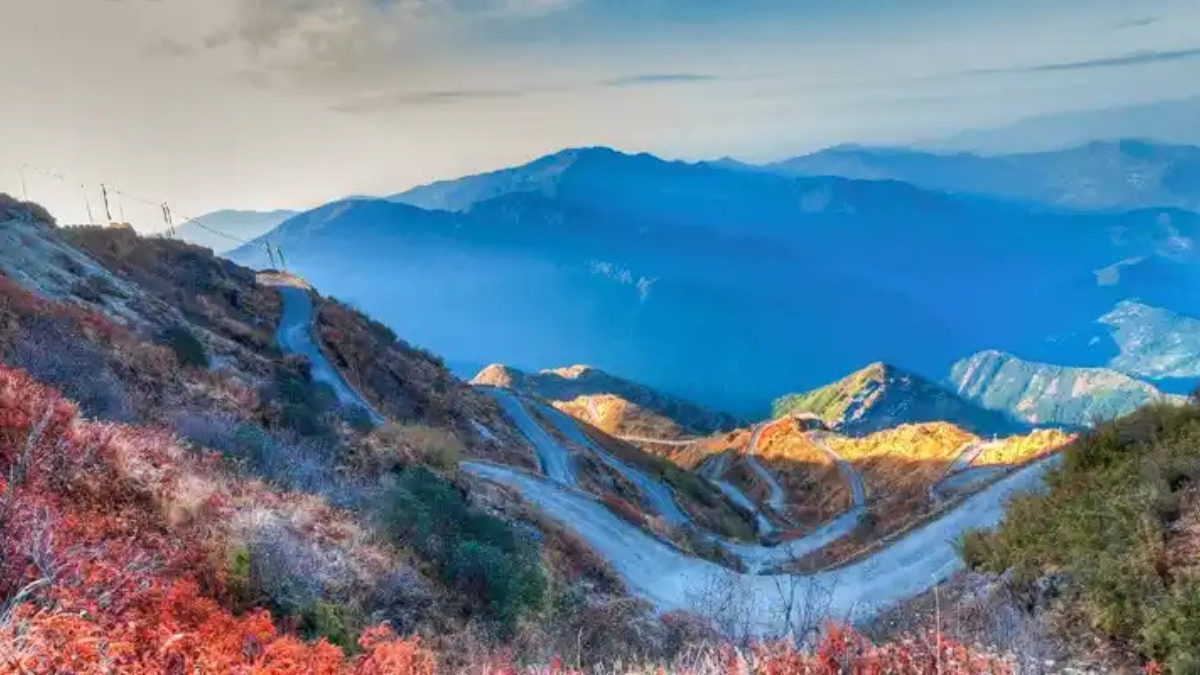
The Chumbi Valley is known as the Himalayan Silk Route Valley. It formed an important part of the ancient Silk Route in the Himalayas. This valley connected India with Tibet and China, making it a major gateway for trade and travel across the mountains.
Where is the Chumbi Valley Located?
The Chumbi Valley lies at the meeting point of Sikkim in India, Bhutan, and Tibet. It is surrounded by tall Himalayan peaks and deep mountain ranges. Its location made it a natural passage between the Indian plains and the Tibetan Plateau.
Why is it called the Himalayan Silk Route Valley?
This valley earned its name because it was a key Himalayan section of the ancient Silk Route. Traders used it to move goods between regions. Over time, it became a busy corridor where merchants, pilgrims, and messengers passed through, turning it into a bridge between cultures.
Goods Traded Through the Valley
Many valuable items travelled through this route. Silk from China, salt and wool from Tibet, tea, spices, and precious stones from India were exchanged here. These trades helped different regions grow richer and more connected.
Role of Nathu La Pass
The famous Nathu La Pass opens into the Chumbi Valley. It served as one of the main entry points into Tibet from India. Even today, it remains an important trade and strategic route, showing the valley’s lasting importance.
Cultural Importance of the Valley
The valley was not only about trade. It also carried ideas and beliefs. Buddhism spread through these mountain paths. Art, language, and customs moved with travelers, making the valley a center of cultural exchange.
Strategic Value of the Valley
Because it lies near international borders, the Chumbi Valley has always been important for safety and defense. Its narrow shape and high mountains made it easier to control movement, giving it great strategic value in history and modern times.
The Valley in Modern Times
Today, the Himalayan Silk Route attracts tourists and history lovers. People visit to see its natural beauty and learn about its rich past. The Chumbi Valley stands as a living reminder of how mountains once connected the world.


 What is National Investigation Agency? C...
 Which State is the Largest Petroleum Pro...
 Largest Crude Oil Supplier Countries to ...