Every nation has songs that fill its people with pride and unity. India too has a special song that inspired millions during the freedom struggle. It symbolizes love, respect, and devotion toward the motherland. This song became a source of strength for those who fought for India’s independence and continues to inspire generations even today.
Writer of National Song of India
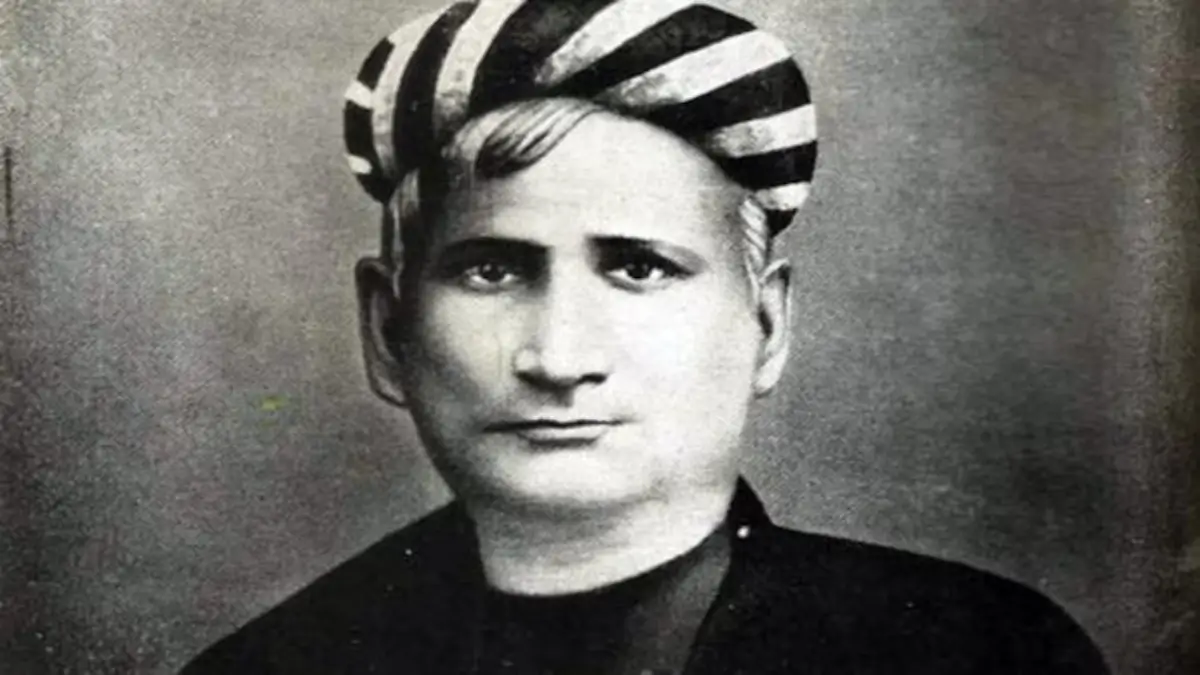
The National Song of India is “Vande Mataram”, written by Bankim Chandra Chatterjee (also known as Bankim Chandra Chattopadhyay). He was a great writer, poet, and patriot from Bengal.
He wrote the poem in both Sanskrit and Bengali, combining devotion and national pride. It was later included in his famous novel “Anandamath”, published in 1882. The song became a symbol of India’s unity and freedom struggle, motivating people to fight against British rule.
History and Background
Bankim Chandra wrote “Vande Mataram” around 1870, during a time when India was under British rule. He wanted to create a song that praised India as a mother and celebrated its beauty, strength, and spirit.
The poem was written in Chinsurah (Chuchura), near the Hooghly River in West Bengal. At that time, British officials were promoting “God Save the Queen” as the anthem of British India. In response, Bankim Chandra created “Vande Mataram”, which celebrated India’s own identity and culture.
When the novel “Anandamath” was published, the song appeared as part of the story and immediately became popular among freedom fighters. The song was later set to music by Jadunath Bhattacharya, and the version we hear today was composed by V.D. Paluskar.
Adoption as the National Song
On January 24, 1950, the Constituent Assembly of India officially adopted “Vande Mataram” as the National Song. India’s first President, Dr. Rajendra Prasad, announced that it should be given equal respect and status as the National Anthem, “Jana Gana Mana.”
However, the Constitution of India does not specifically mention a “National Song.” Still, it continues to be honoured and sung on national occasions, symbolizing the same patriotism and unity it once inspired during the freedom struggle.
Meaning of ”Vande Mataram”
The phrase “Vande Mataram” means “I bow to thee, Mother.” It represents India as a divine mother figure, full of natural beauty, love, and strength.
The song beautifully describes India’s rivers, mountains, green fields, and prosperity, while also praising her power to protect her children. It encourages Indians to respect their homeland and stay united in times of struggle.
Interesting Facts About the National Song
- Written by: Bankim Chandra Chatterjee in 1870
- Language: Sanskrit and Bengali
- Included in: The novel “Anandamath” (1882)
- First Sung: At the 1896 Indian National Congress session by Rabindranath Tagore
- Officially Adopted: January 24, 1950
- Musical Version: Composed by V.D. Paluskar
- Importance: Served as a motivational song during India’s freedom movement


 Who is known as the Father of Mobile Pho...
 Which is the Highest Airport in the Worl...
 Which Country is the Largest Exporter of...