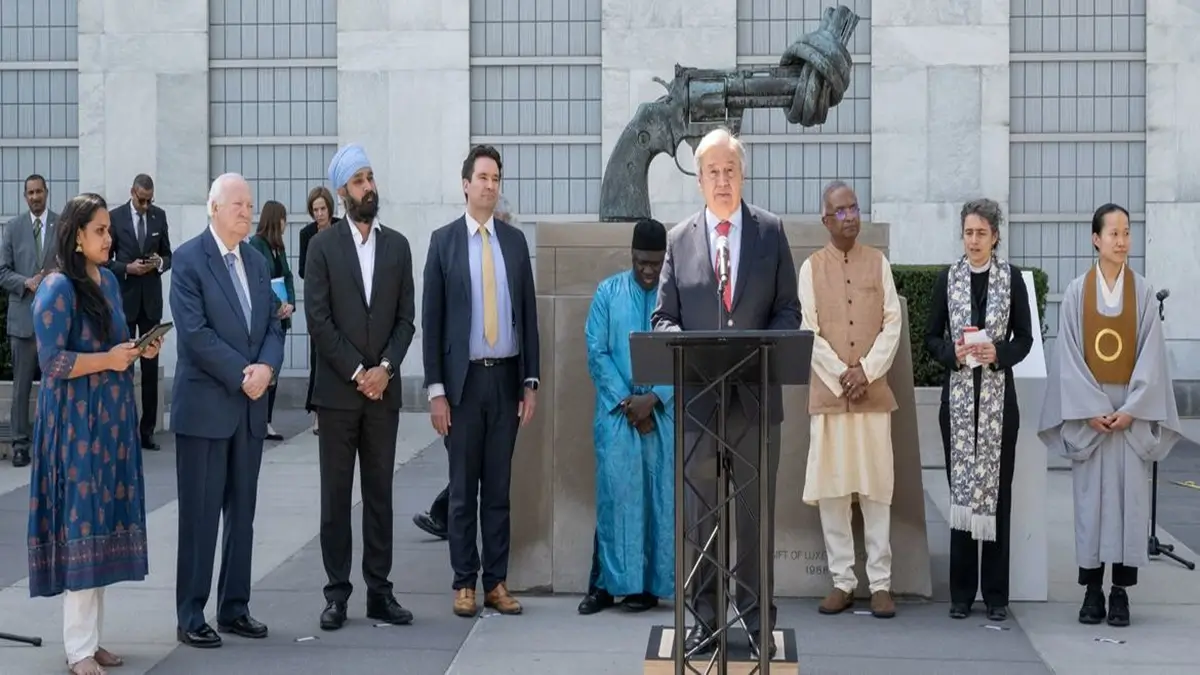
World Interfaith Harmony Week (WIHW) 2026 is being observed from 1 to 7 February 2026 across the world. The observance is led by the United Nations (UN) and aims to promote peace, tolerance, non-violence, and mutual understanding among people of different religions and beliefs. In a world facing conflict and division, the week highlights the importance of dialogue and respect between faith communities.
Background: Origin of World Interfaith Harmony Week
World Interfaith Harmony Week is rooted in the “A Common Word” initiative, launched in 2007. This initiative brought together Muslim and Christian leaders to highlight shared values such as love for God and love for one’s neighbour. The message emphasized that common ethical principles can serve as a foundation for peaceful coexistence.
The idea of dedicating a global week to interfaith harmony gained international attention due to growing concerns over religious intolerance and violence.
Proposal at the United Nations
The proposal for World Interfaith Harmony Week was presented at the 65th session of the United Nations General Assembly (UNGA) on 23 September 2010.
The proposal was made by:
-
Abdullah II, King of Jordan
-
Ghazi bin Muhammad, Prince of Jordan
They called upon the international community to recognise the need for interfaith cooperation to build lasting peace and reduce religious conflict.
UN Recognition and Resolution
On 20 October 2010, the United Nations officially adopted the proposal through Resolution A/RES/65/5. The resolution designated the first week of February (1–7) every year as World Interfaith Harmony Week.
The resolution encourages:
- Dialogue among different religions
- Peaceful coexistence
- Promotion of non-violence
- Respect for religious diversity
First Observance
The first World Interfaith Harmony Week was observed from 1 to 7 February 2011. Since then, governments, religious institutions, civil society groups, and individuals across the world have participated through:
- Interfaith meetings
- Peace prayers
- Community discussions
- Educational programmes
Significance of WIHW 2026
World Interfaith Harmony Week 2026 continues to stress that religious harmony is essential for global peace. It reminds societies that differences in belief should not lead to conflict, but rather encourage understanding and cooperation.
The observance is especially relevant today due to:
- Rising religious intolerance
- Global conflicts linked to identity
- Spread of hate speech and extremism
Global Impact and Relevance
WIHW supports the UN’s broader goals of:
- Peacebuilding
- Human rights
- Sustainable development
By encouraging faith-based cooperation, the week contributes to social harmony, community resilience, and conflict prevention at both national and international levels.


 World Health Day 2026 - Theme, Date, Sig...
 List of Important Days in April 2026, Na...
 International Day of Sport for Developme...