
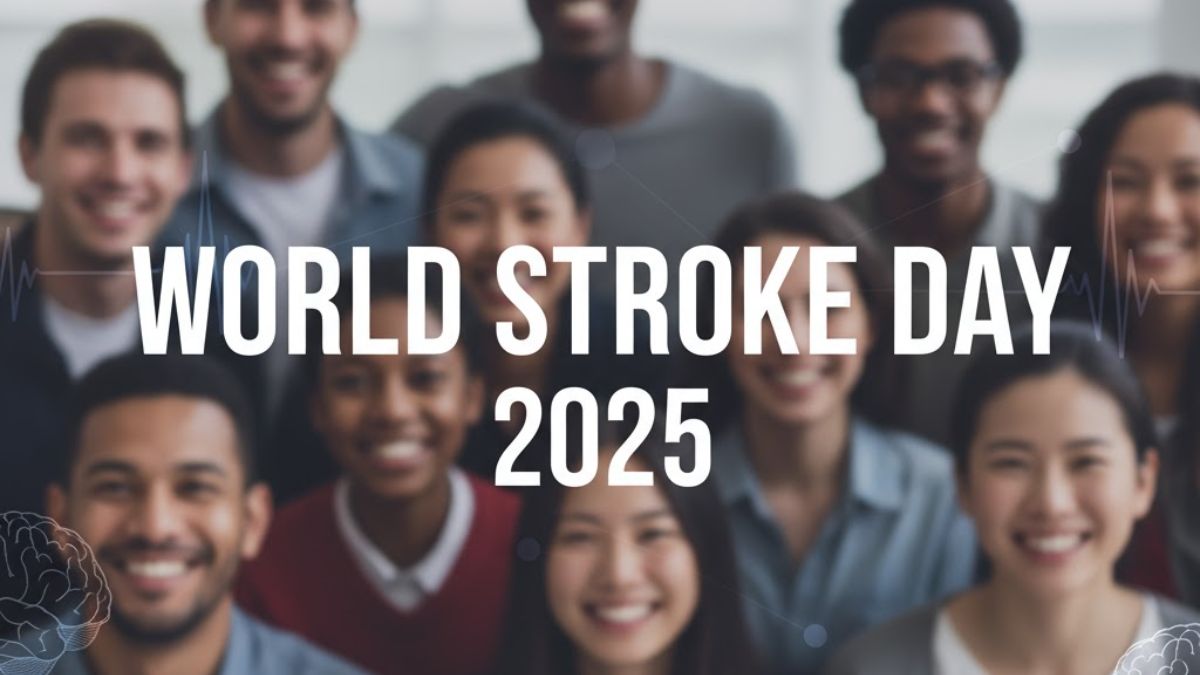
As part of World Stroke Day 2025 Observed on 29th October, the Ministry of Ayush highlighted the vital role of traditional Indian medical systems in promoting preventive and rehabilitative care for stroke, one of the leading causes of death and disability globally and in India. Stressing the importance of integrative health strategies, the ministry emphasized how Ayush systems can complement modern stroke management by enhancing recovery, reducing recurrence, and improving overall quality of life.
The Growing Burden of Stroke in India
Stroke is a neurological emergency caused by a sudden interruption of blood supply to the brain. It remains among the top five causes of death and disability in India. With rising lifestyle-related risk factors—like hypertension, diabetes, smoking, and obesity—stroke cases are increasing at an alarming rate, affecting both urban and rural populations.
There are three main types of stroke,
- Ischemic Stroke: Caused by blocked arteries (most common).
- Hemorrhagic Stroke: Caused by ruptured blood vessels.
- Transient Ischemic Attack (TIA): A temporary blockage, also called a “mini-stroke”.
Understanding stroke symptoms—sudden numbness, confusion, trouble speaking, vision loss, dizziness, or severe headache—and acting fast can make the difference between full recovery and permanent disability.
Ayush Approach to Stroke Management
A Preventive and Restorative Framework
According to the Ministry, Ayush systems such as Ayurveda, Siddha, Unani, Yoga, Naturopathy, and Homoeopathy provide a holistic approach to stroke management. These systems focus on,
- Preventive healthcare to manage risk factors like high blood pressure, cholesterol, and stress
- Detoxification and rejuvenation therapies to restore systemic balance
- Rehabilitation strategies that enhance nerve function, circulation, and mental well-being
- Lifestyle correction and resilience building through diet, yoga, and meditation
In Ayurveda, stroke is often linked to an imbalance in Vata dosha, leading to symptoms like paralysis or hemiplegia (Pakshaghata). Treatments include Panchakarma therapies, Abhyanga (oil massage), and Basti (medicated enemas) to rejuvenate nervous system function.
Homoeopathy has shown positive results in post-stroke recovery, especially in improving motor skills, cognition, and emotional stability.
Understanding Stroke: Causes and Risk Factors
Major risk factors for stroke include,
- High blood pressure (hypertension) – primary cause
- Diabetes and high cholesterol
- Smoking and excessive alcohol use
- Sedentary lifestyle and obesity
- Cardiac conditions like arrhythmia or heart failure
- Family history and genetic predisposition
Stroke prevention hinges on early detection and lifestyle changes. Integrating modern diagnostics with Ayush interventions can offer a sustainable health model for at-risk populations.
Stroke First Aid and Immediate Response
Immediate recognition and medical response are critical in stroke emergencies. Use the FAST test to identify stroke symptoms,
- F – Face drooping
- A – Arm weakness
- S – Speech difficulty
- T – Time to call emergency services
Timely treatment, such as clot-busting medication (tPA) for ischemic strokes, can significantly reduce damage and aid faster recovery.
Role of Rehabilitation in Stroke Recovery
Post-stroke recovery is a long-term process that includes,
- Physical therapy – for movement and coordination
- Speech therapy – for communication skills
- Occupational therapy – for independence in daily activities
- Ayurvedic therapies and yoga – for nerve rejuvenation and mental balance
The Ayush Ministry is working to integrate traditional therapies with conventional rehabilitation programs, offering individualised recovery plans that support both physical and neurological healing.
Preventing Stroke: Lifestyle and Holistic Practices
Effective stroke prevention strategies include,
- Regular exercise and balanced diet
- Stress management through yoga and meditation
- Quitting tobacco and reducing alcohol
- Monitoring blood pressure, sugar, and cholesterol
- Periodic check-ups and adopting Ayush-based wellness routines


 World Autism Awareness Day 2026: Underst...
 RBI Foundation Day 2026: History, Functi...
 List of Important Days in April 2026, Na...











