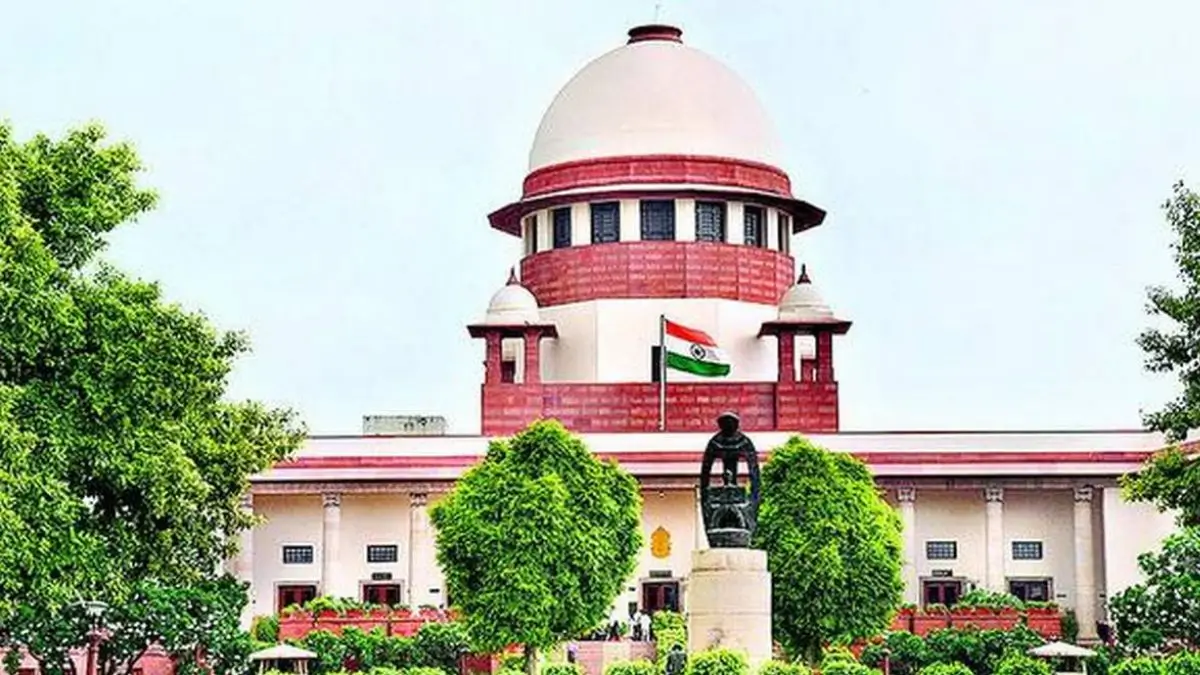
As part of the celebration of Hindi Diwas 2026, the Supreme Court of India introduced a novel initiative known as “Jan Soochna Seva” to provide better and more comprehensible information. Under the initiative, the Court plans to provide Hindi summarization of some selected major judgments/orders together with Hindi audio and video bulletins of 15 to 30 minutes’ duration. This initiative has been planned to benefit common people, litigants, and people with disabilities to help them understand the judgments and proceedings without going through the lengthy legal documents.
What Is Jan Soochna Seva?
Jan Soochna Seva is an information service provided by the Supreme Court for providing important judicial information in simple Hindi.
Rather than making the citizens go through lengthy legal documents, the service will offer summaries of selected major judgments/orders.
How Will the Service Help Citizens?
The service is designed to ensure that justice delivery is inclusive as far as communications between the judicial system and languages people speak on a regular basis are concerned.
The service will be beneficial for,
- Common citizens looking for information about key court cases
- Parties who would like to know the significance of these judgments
- People with disabilities who could use an audio or video format
- Individuals who find the language of law and its documents hard to grasp
The Supreme Court noted that this initiative will help to understand significant judgments and further process in the language which citizens are familiar with.
Service to Be Extended to Other Indian Languages
The Jan Soochna Seva service will start in Hindi. However, in the future, the Supreme Court wants to make the initiative available in other Indian languages gradually.
This initiative may help citizens from various linguistic zones to access succinct information about Supreme Court judgments without relying fully on English legal texts.
Why is Jan Soochna Seva Significant?
The initiative forms part of the bigger picture that makes the information more easily available to the masses. Through its use of simpler language, textual and auditory translations, the Supreme Court of India has endeavored to minimize communication gaps within their rulings.
This initiative also promotes the use of Indian languages in public communication.








 Rameswaram Temple Backdrop Steals Spotli...
 Southern Railway Achieves 100% Electrifi...
 India’s Carbon Credit Scheme Gets UK N...