Majhi Kanya Bhagyashree Scheme 2025: Eligibility, Benefits, Documents & How to Apply

The Majhi Kanya Bhagyashree Scheme is a important government initiative run by the Maharashtra Government with the aim of improving the social position and financial security of girl children. The Women and Child Development Department of the state implemented the scheme on 1 August 2017 and it aims to discourage female foeticide and encourage family planning and sex ratio balance.

The scheme offers fixed deposit benefits to families who meet its eligibility criteria, which includes an account that will mature once the girl child turns 18. Parents can also withdraw the interest earned after every six years of the scheme duration.

What is the Majhi Kanya Bhagyashree Scheme?

The Majhi Kanya Bhagyashree Scheme is a financial aid scheme for families in the state of Maharashtra with one or two daughters.

It entails the deposit of a certain amount by the government for the girl child so as to secure her future and promote the importance of girls in society.

The economic assistance scheme also promotes family planning by encouraging parents to adopt the family planning after having one or two daughters.

Objectives of the Scheme

The main objectives of the Majhi Kanya Bhagyashree Scheme are the,

  1. To encourage the birth of girl children
  2. To stop female foeticide and sex selection
  3. To promote the education of girls
  4. To enhance the health and nutrition of girls
  5. To provide financial support in the long run
  6. To encourage family planning amongst the eligible families
  7. To improve the child sex ratio in Maharashtra

Key Features of the Scheme

  • Name of the Scheme: Majhi Kanya Bhagyashree Scheme
  • State: Maharashtra
  • Date of Launch: 1st August, 2017
  • Department: Women and Child Development Department Name of The
  • Beneficiaries: Girls born in Maharashtra Method of Application: Offline
  • Type of Deposits: Fixed Deposits Time of Maturity: 18 Years

Benefits under Majhi Kanya Bhagyashree Scheme

Eligible persons would get the following amount as financial benefit.

For One Girl Child

  • The Fixed deposit of ₹50,000
  • The money is held for a period of 18 years
  • Interest can be received every six years
  • The money becomes available after the attaining the age of 18 years.

For Two Girl Children

  • The Fixed deposit of ₹25,000 for each child.
  • Separate accounts for both children
  • Interest can be received after every six years
  • The money becomes available after attaining maturity

Other advantages

  • The account can be opened under the name of children
  • Loan facility of ₹5,000
  • Accidental scheme of ₹1 lakh.

Eligibility Requirements

The requirements for applicants are as follows.

  • Must be a permanent resident of Maharashtra.
  • The girl child must have been born on or after 1st August 2017.
  • This applies to both BPL (Below the Poverty Line) families and APL (Above the Poverty Line) families.
  • The annual family income should be less than ₹7.5 lakh.
  • Parents are required to submit a family planning certificate.
  • Benefits will be available only to families having one or two daughters.
  • If a family has a girl child as the first child and twins as the second delivery, the family will still be eligible.

Who Is Not Eligible?

The benefits will not be available in the following situations.

  • If the first child is a boy and the second one is a girl (or vice versa).
  • If the family has a third child.
  • If the annual family income exceeds ₹7.5 lakh.
  • If there is no submission of the family planning certificate.
  • If the girl gets married before she turns 18.
  • If the girl drops out of school before completing the required education.

Grant Under the Scheme

For,

  • 1 daughter: Fixed amount deposit of total ₹50,000
  • 2 daughters: Fixed amount deposit of total ₹25,000

The interest on the investment can be redeemed every six years.

However, the original investment is managed till the time the girl turns 18.

Required Documents

The application needs the following documents.

  • Aadhaar card
  • Girls birth certificate
  • Father Domicile certificate
  • Bank account details of mother and daughter
  • Income certificate
  • Address proof
  • Photo
  • Family planning certificate
  • Certificate of an orphan in case it is applicable

How to Apply for the Majhi Kanya Bhagyashree Scheme?

The process is entirely offline.

Step 1

Go to the nearest,

  • Anganwadi Centre
  • Child Development Project Office
  • Women and Child Development Office
  • Zilla Parishad Office
  • You can get the application form free of charge.

Step 2

Fill in the application form with all details.

Step 3

Attach all necessary documents

Step 4

Submit the completed form at the same office.

Step 5

The concerned authority will approve the application of the applicant.

Step 6

The benefits will be processed and available after the completion of verification.
What is Bhargavastra? India’s Indigenous Shield Against Drone Swarms

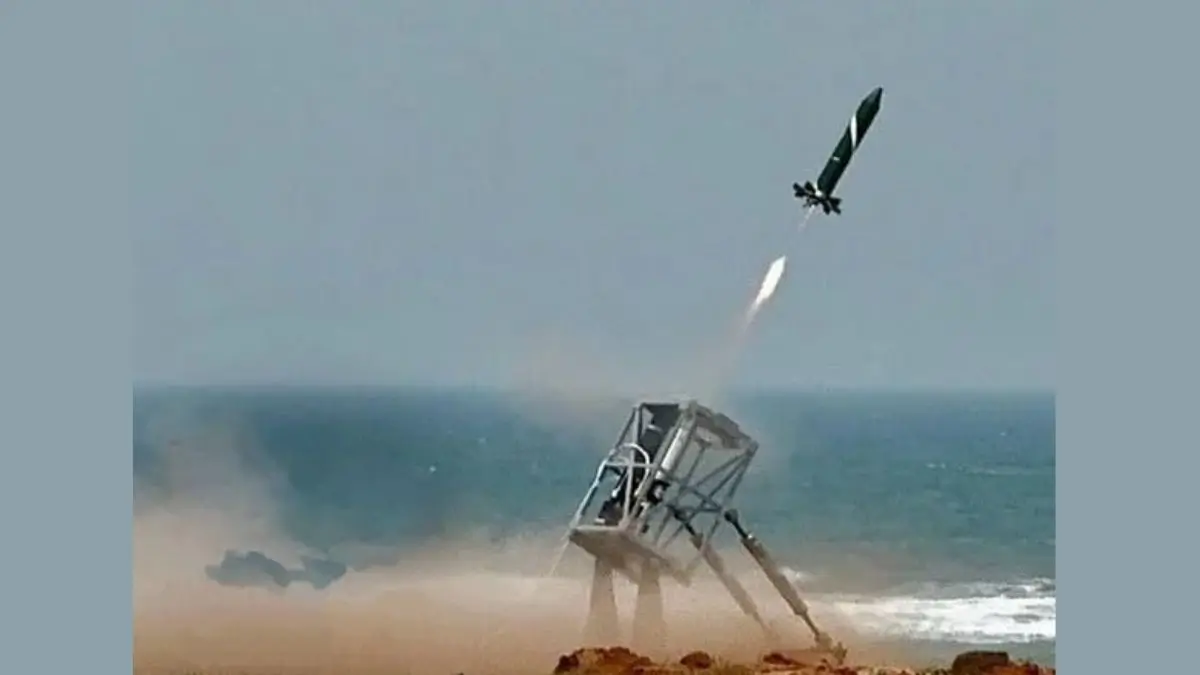
Bhargavastra is a homegrown anti-swarm drone system that has been engineered to neutralize enemy drones and loitering munitions. The Indian Army was shown Bhargavastra on July 24th in Nagpur during the Make-II project launch, thus demonstrating a crucial development in India’s layered air defence system.

With conflicts increasingly making use of drone warfare, Bhargavastra presents a low-cost, mobile, home-grown technology for detecting, tracking, and destroying both single and swarming drones.

What is Bhargavastra?

Bhargavastra, in other words, is a ‘weapon system’ using the vehicle as a base aimed at getting information on drone threats and affording protection from them.

The Bhargavastra counter-drone weapons system comprises advanced sensors for obtaining specific information on the UAVs, drones, loitering munitions, as well as the advanced electronic technology for carrying out the successful attacks on them.

The Bhargavastra counter-drone weapon system has been developed to meet the demands of Indian armed forces of having a multipurpose defence system assisting in ensuring proper protection.

How Bhargavastra Operates

Bhargavastra functions through an integrated system of detection, tracking, command, and interception systems.

Advanced Detection System

This system has a command and control vehicle fitted with,

  • Radar systems
  • EO/IR sensors
  • Passive RF detectors
  • Advanced C4I technology

These sensors can keep track of the airspace and create a real-time operational image.

Launcher Vehicle

  • There is also a launch vehicle that has many launch tubes to fire rockets and small missiles.
  • Once a hostile drone is detected, the command center will give orders to hit the target.

Two-Layer Defense Method

Bhargavastra’s dual-layer defense method is its primary benefit, as the weapon can attack aerial targets over a wide range.

First Layer: Mini-Rockets

  • The system uses unguided mini-rockets that have 20 meters of killing zone, and thus, they can effectively deal with complicated swarms of drones.

Second Layer: Smart Mini-Missiles

  • For precision attacks, Bhargavastra also uses smart mini-missiles, which can destroy drones as far as 2.5 kilometers away.
  • This multi-layer concept increases the chances of elimination of multiple approaching threats.

Detection Range

The Bhargavastra system is capable of to detecting a variety of different types of drones from great distances.

The system is capable of detecting,

  • Large UAVs from 10 kilometers
  • Small drones from 6 kilometers

This means that it gives the operators enough time to take action against the enemy aircrafts before the latter reach protected targets.

Soft-Kill and Hard-Kill Capabilities

Unlike the ordinary air-defense systems, Bhargavastra utilizes both the soft-kill and hard-kill techniques.

Hard-Kill

  • Guided small missiles
  • Unguided small rockets

Soft-Kill

  • Interfering electronics
  • Radio-frequency interruptions
  • EW techniques

This multitiered defense system can incapacitate, confuse or even destroy drone, depending on the goal of operation.

Designed for Diverse Geographical Features of India

The Bhargavastra system has been designed and constructed to suit operational environment of India.

This technology can work effectively in,

  • Deserts
  • Plains
  • Mountains
  • Areas with altitude over 5,000m
  • Snow-covered border areas

Who is Rishikanta Singh? India’s First Silver Medallist at the Commonwealth Games 2026

Indian weightlifter Rishikanta Singh Chanambam made history by becoming India’s first silver medallist at Glasgow Commonwealth Games 2026. He was competing in the men’s 60 kg weightlifting category, Rishikanta from Manipur not only won the silver medal but also set a snatch Commonwealth Games record of 121 kg, making him one of the best performers of the event.

Who is Rishikanta Singh?

Rishikanta Singh Chanambam is a weightlifter of Indian nationality hailing from the city of Imphal West, Manipur.

He was born on the date of 5th July, 1998, Rishikanta is from a state famous for numerous weightlifters like Mirabai Chanu, who won the bronze medal in Olympics.

Rishikanta started with his training at National Sports Academy (NSA), Khuman Lampak where he matured into one of the best athletes of India.

He completed his training in 2018 after which he became a part of the Services Sports Control Board (SSCB) program for enhancing his skills further.

Historic Silver Winner at the Glasgow Commonwealth Games 2026

Rishikanta created history by earning the first-ever silver medal for India at the Commonwealth Games 2026 held in Glasgow.

In the men’s 60kg weight division, he exhibited a hugely impressive performance:

Snatch: 121kg (Commonwealth Games Record) Clean and Jerk: 143kg Total Lift: 264kg

Mohamad Aniq Kasdan of Malaysia fetched the gold with a total of 273 kg and Joshua Amunga Mboya finished in third with 260 kg.

Winning the silver medal for Rishikanta became India’s second medal at the Games after para powerlifter Jhandu Kumar had won bronze on the first day itself.

Record Breaking Snatch at Commonwealth Games

Rishikanta’s performance the Commonwealth Games featured the 121kg snatch he lifted in a stunning record.

Rishikanta’s glorious lift of 121kg came on his third try and surpassed the previous Commonwealth Games record of 120kg.

Even though final winner Mohamad Aniq Kasdan also lifted 121kg later, Rishikanta became the one to occupy the first place in the history of Commonwealth Games for his world record lift of 121kg.

Under the regulations of the IWF, if several weight lifters lift the same record weight, then it always goes to that weight lifter that achieved it first, and subsequent lifts of the same weight are called equal.

Rise Through the Ranks

Rishikanta was able to reach the top level of performing sports due to years of performances.

He participated in the Commonwealth Games for the first time in Birmingham 2022 in the 55kg category. Though he did not win a medal, he achieved a lot through this experience.

As per the changes in international weight categories, he decided to go up one category higher and competed at the 60 kg level where he marked the beginning of his successful career by becoming one of the best Indian contenders.

His great results during the national competitions helped him enter the Indian national team permanently.

Breakthrough at the 2025 Commonwealth Weightlifting Championships

It was during the Commonwealth Weightlifting Championships in 2025, held in Ahmedabad that Rishikanta made a significant breakthrough in his career.

Now, tested by the enthusiasm of crowds in what was his home territory, he accomplished the following unusual results:

  • Snatch – 120kg
  • Clean & Jerk – 151kg
  • Total – 271kg

The milestone secured him gold medal and Commonwealth Championship records in clean and jerk and total lift.

As a result of this victory, Rishikanta got his qualification for the 2026 Commonwealth Games to be held in Glasgow.

Records Held by Rishikanta Singh

Rishikanta has rewritten many records in India’s weightlifting history.

The most notable achievements include,

  • Indian National Snatch Record – 124kg in the 61kg category.
  • Indian National Total Record – 271kg in the 60kg category.
  • Commonwealth Championships records in clean & jerk and total.
  • Commonwealth Games snatch record – 121kg in Glasgow in 2026.

Such results prove the great success of Rishikanta in his attempts to review the records of the best weighttrifters of India.

UNESCO World Heritage Sites in India By 2026, Check the List

India is a country full of history, culture and natural beauty. Many special places in India have been recognized by UNESCO as World Heritage Sites because they are important to the whole world. These include famous monuments, temples, forts, national parks and ancient cities. By 2026, India proudly has 45 World Heritage Sites, showing its rich past, traditions and beautiful landscapes to the world.

Total Number of UNESCO World Heritage Sites in India

As of 2025, India has 45 UNESCO World Heritage Sites – including 35 cultural, 7 natural, 1 mixed and the newly added Maratha Military Landscapes.

India’s 45th UNESCO Heritage Site

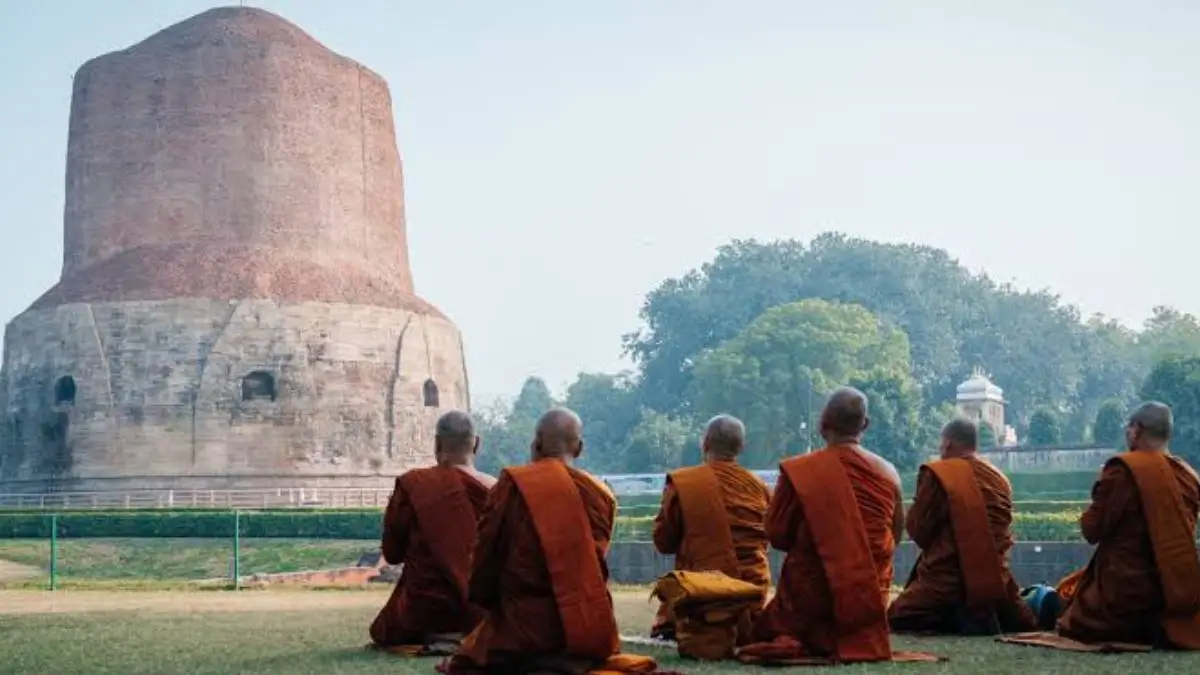
Sarnath, an ancient Buddhist site located in Uttar Pradesh, made it to the UNESCO World Heritage List on July 25th, 2026. With this Sarnath is the 45th UNESCO World Heritage Site from India while also emphasizing its significance in terms of history, religion, and culture.

Names of the Forts Added to the UNESCO World Heritage Sites in 44th UNESCO Heritage Site

Here is the list of forts that are now UNESCO World Heritage Sites:

In Maharashtra

  • Raigad Fort
  • Rajgad Fort
  • Pratapgad Fort
  • Panhala Fort
  • Shivneri Fort
  • Lohgad Fort
  • Salher Fort
  • Sindhudgarh Fort
  • Suvarnadurg Fort
  • Vijaydurg Fort
  • Khanderi Fort

In Tamil Nadu

  • Gingee Fort

45 UNESCO World Heritage Sites in India

The UNESCO World Heritage Convention, which was established in 1972, recognizes and protects important cultural and natural sites around the world. India has recently added two more sites to the UNESCO World Heritage list, bringing the total number of Indian sites to 45. This makes India the sixth country in the world with the most UNESCO World Heritage Sites. The list of 45 Indian sites includes 36 cultural, 7 natural, 1 mixed and the newly added Maratha Military Landscapes.

In other words, UNESCO has recognized 45 places in India as being of outstanding universal value, worthy of protection for future generations. These sites include ancient temples, forts, palaces, caves, national parks, and wildlife sanctuaries. India’s rich cultural and natural heritage is on display in these sites, which are a must-see for any visitor to the country.

S.No Name of Sites Year Location
1 Ajanta Caves 1983 Maharashtra
2 Ellora Caves 1983 Maharashtra
3 Agra Fort 1983 Agra
4 Taj Mahal 1983 Agra
5 Sun Temple 1984 Orissa
6 Mahabalipuram Monuments 1984 Tamil Nadu
7 Kaziranga National Park 1985 Assam
8 Keoladeo National Park 1985 Rajasthan
9 Manas Wildlife Sanctuary 1985 Assam
10 Churches and Convents of Goa 1986 Goa
11 Monuments of Khajuraho 1986 Madhya
Pradesh
12 Monuments of Hampi 1986 Karnataka
13 Fatehpur Sikri 1986 Agra
14 Elephanta Caves 1987 Maharashtra
15 Great Living Chola Temples 1987 Tamil Nadu
16 Pattadakal Monuments 1987 Karnataka
17 Sundarbans National Park 1987 West Bengal
18 Nanda Devi & Valley of Flowers National Park 1988 Uttarakhand
19 Monuments of Buddha 1989 Sanchi, Madhya Pradesh
20 Humayun’s Tomb 1993 Delhi
21 Qutub Minar and its Monuments 1993 Delhi
22 Mountain Railways of Darjeeling, Kalka
Shimla & Nilgiri
1999 Darjeeling
23 Mahabodhi
Temple
2002 Bihar
24 Bhimbetka Rock Shelters 2003 Madhya Pradesh
25 Chhatrapati Shivaji Terminus 2004 Maharashtra
26 ChampanerPavagadh Archaeological Park 2004 Gujarat
27 Red Fort 2007 Delhi
28 Jantar Mantar 2010 Delhi
29 Western Ghats 2012 Karnataka, Kerala, Tamil Nadu, Maharashtra
30 Hill Forts 2013 Rajasthan
31 Rani Ki Vav (The Queen’s Stepwell) 2014 Gujarat
32 Great Himalayan National Park 2014 Himachal Pradesh
33 Nalanda 2016 Bihar
34 Khangchendzonga National Park 2016 Sikkim
35 Architectural Work of Le Corbusier (Capitol Complex) 2016 Chandigarh
36 The Historic City 2017 Ahmedabad
37 Victorian Gothic and Art Deco Ensembles 2018 Mumbai
38 The Pink City 2019 Jaipur
39 Kakatiya Rudreshwara (Ramappa) Temple 2021 Telangana
40 Dholavira 2021 Gujarat
41 Santiniketan 2023 West Bengal
42 Hoysala temples of Belur, Halebid and Somananthpura 2023 Karnataka
43 Modiams 2024 Assam
44 Maratha Military Landscape of India 2025 Maharashtra & Tamil Nadu
45 Sarnath 2026 Varanasi, Uttar Pradesh

What is UNESCO World Heritage Site?

UNESCO World Heritage Site is a place that is recognized by the United Nations Educational, Scientific and Cultural Organization (UNESCO). This is exemplified by the Convention regarding the Protection of the World Cultural and Natural Heritage, accepted by UNESCO in 1972.

Criteria for UNESCO World Heritage Sites:

1. Human creative genius.
2. Interchange of values.
3. Testimony to cultural tradition.
4. Significance in human history.
5. Traditional human settlement.
6. Heritage associated with events of universal significance.
7. Natural phenomena or beauty.
8. Major stages of Earth’s history.
9. Significant ecological and biological processes.
10. The significant natural habitat for biodiversity.

List of UNESCO World Heritage Sites in India:

Key points about UNESCO World Heritage Sites in India:

1. Ajanta Caves

  • Famous for Buddhist Rock-cut Cave Monuments. It is richly decorated with Paintings and Frescoes like Sigiriya Paintings.

2. Ellora Caves 

  • Jain and Hindu Temples and Monasteries. These caves were excavated out of Hills, and it is a rock-cut Architecture.

3. Agra Fort 

  • This is one of the most prominent monumental structures by the Mughal empire.

4. Taj Mahal 

  • This is one of the Seven Wonders of the World. King Shahjahan had built this structure in the memory of his third wife Begum Mumtaz Mahal.

5. Sun Temple 

  • This temple is famous for the traditional style of Kalinga Architecture.

6. Mahabalipuram Monuments

  • This monument is famous for the Mahabalipuram Largest. Open Air Rock Relief, Mandapas, Chariot Temples, It is a Pallava Dynasty Architecture.

7. Kaziranga National Park

  • Famous for Worlds 2/3rd population of Great One-Horned Rhinoceroses. It has the highest density of Tigers in the World, Wild Water Buffalo, Elephants, Swamp Deer, and the park is also recognized as the Important Bird Area.

8. Keoladeo National Park

  • This National Park is popular for Man-Made Wetland Bird Sanctuary, Hotspot for Ornithologists, and Siberian Cranes.

9. Manas Wildlife Sanctuary

  • This sanctuary is famous for Project Tiger Reserve, Biosphere Reserve and Elephant Reserve

10. Churches and Convents of Goa

  • It is famous for Rome of the Orient, First Manueline, Mannerist and Baroque Art Forms in Asia, First Latin Rite Mass in Asia.

11. Monuments of Khajuraho 

  • This monument is popular for a group of Jain and Hindu Temples. It is situated 175 km southeast of Jhansi. Well known for their Nagara style symbolism and erotic Figures and sculptures.

12. Monuments of Hampi

  • Prosperous kingdom of Vijayanagar. The ruins at Hampi depict the fine Dravidian style of art and architecture. The most important heritage monument in this site is the Virupaksha Temple.

13. Fatehpur Sikri

  • It structure constitutes of four main Monuments. The Jama Masjid, The Buland Darwaza,
    Panch Mahal or Jada Baai ka Mahal, Diwane-Khas, and Diwan-eaam.

14. Elephanta Caves

  • It is popular for Buddhist and Hindu caves. It is situated on Island in the Arabian Sea. And has Basal Rock Caves, and Shiva Temples.

15. Great Living Chola Temples

  • This temple is popular for Chola Architecture, Sculpture, Painting, and Bronze Casting.

16. Pattadakal Monuments

  • It is popular for its Chalukya style of architecture that originated in Aihole and blended with the Nagara and Dravidian styles of architecture.

17. Sundarbans National Park

  • This National Park is popular as Biosphere Reserve, Largest Estuarine Mangrove Forest, Bengal Tiger, and Salt-Water Crocodile.

18. Nanda Devi & Valley of Flowers National Park

  • It is famous for Snow Leopard, Asiatic Black Bear, Brown Bear, Blue Sheep, and Himalayan Monal, World Network of Biosphere

19. Monuments of Buddha

  • It is popular for Monolithic Pillars, Palaces, Monasteries, Temples Mauryan Architecture, Ye Dharma Hetu Inscriptions.

20. Humayun’s Tomb

  • It is popular for the Precursors to the Taj Mahal and Mughal Architecture. It constitutes a Tomb, a Pavilion, any Water Channels, and A Bath

21. Qutub Minar and its Monuments

  • Includes Qutub Minar, Alai Darwaza, Alai Minar, Qubbat-ul-Islam Mosque, Tomb of Iltumish, and Iron Pillar.

22. Mountain Railways of Darjeeling, Kalka Shimla & Nilgiri

  • The mountain railways of India comprise of the Darjeeling Himalayan Railway, the Nilgiri
    Mountain Railway, and the Kalka-Shimla.

23. Mahabodhi Temple

  • An important religious center for the Buddhists as this was the place where Mahatma Buddha attained enlightenment. Bodh Gaya is considered as the holiest pilgrimage spot for the Buddhists.

24. Bhimbetka

  • It is famous for Rock Paintings within Natural Rock Shelters, Stone Age Inscriptions, Sitting Place of Bhima (Mahabharata).

25. Chhatrapati Shivaji Terminus

  • It is popular for central Railways Headquarters, Terror Attacks on Mumbai in 2008, Gothic Style Architecture.

26. ChampanerPavagadhArchaeological Park

  • This place is the only complete and unchanged Islamic pre-Mughal city. The park also houses some of the ancient Chalcolithic Indian Sites, from the Stone Age era.

27. Red Fort

  • It is popular for Shahjahanabad, Persian, Timuri and Indian Architectural Styles, Red Sandstone Architecture, Moti Masjid.

28. Jantar Mantar 

  • Famous for Architectural Astronomical Instruments, Maharaja Jai Singh II, Largest of its kind Observatory.

29. The Western Ghats

  • Famous for Among World’s Ten “Hottest Biodiversity Hotspots”. Includes many National Parks, Wildlife Sanctuaries, and Reserve Forests.

30. Hill Forts 

  • This place is famous for its unique Rajput Military Defense Architecture. It includes six majestic forts in Chittorgarh, Kumbhalgarh, Ranthambore Fort, Gagron Fort, Amber Fort, and Jaisalmer Fort.

31. Rani Ki Vav

  • It is an explicit example of fine Ancient Indian architecture which is constructed during
    the time of the Solanki dynasty.

32. Great Himalayan National Park

  • It is home to about 375 fauna species and several floral species, including some very rare
    species of plants and animals such as blue sheep, snow leopard, Himalayan brown
    bear, Himalayan Tahr, musk deer spruces, horse chestnuts, and huge alpine meadows.
    It is a part of the Himalayan Biodiversity Hotspots.

33. Nalanda 

  • A centre of learning and a Buddhist monastery from the 3rd century BCE to the 13th century CE.

34. Khangchendzonga National Park

  • The national park is famous for its fauna and flora, with snow leopard being occasionally sighted.

35. Architectural Work of Le Corbusier (Capitol Complex)

  • Recognized as a World Heritage Site as part of an outstanding contribution to the Modern Movement.

36. The Historic City 

  • A walled city on the banks of Sabarmati where communities following Hinduism, Islam, and Jainism have co-existed for centuries.

37. Victorian Gothic and Art Deco Ensembles

  • It is a collection of 94 buildings of great cultural importance, located in the Fort Area of Mumbai.

38.  The Pink City

  • Jaipur is home to many magnificent forts, palaces, temples, and museums and also filled to the brim with local handicrafts and trinkets.

39. Kakatiya Rudreshwara (Ramappa) Temple

  • The Ramappa Temple is situated in Palampet Village, Telangana. The temple is estimated to be at least 800 to 900 years old. The temple is especially known for lightweight porous bricks which are known as floating bricks

40. Dholavira

  • Dholavira is an architectural site situated in the Kutch district of Gujarat. It is one of the most prominent Indus Valley Civilisation sites.

41. Santiniketan

  • Santiniketan, the cultural and educational hub founded by Nobel laureate Rabindranath Tagore, has earned a coveted spot on UNESCO’s World Heritage List. This recognition marks a significant milestone for India and celebrates the enduring legacy of this unique institution located in Bengal’s Birbhum district.

42. Hoysala Temples

  • The Sacred Ensembles of the Hoysala, the famed Hoysala temples of Belur, Halebid and Somananthpura in Karnataka have been added to the United Nations Educational, Scientific and Cultural Organization (UNESCO) World Heritage list. This inclusion marks the 42nd UNESCO World Heritage Site in India and comes just a day after Rabindranath Tagore’s Santiniketan also received this distinguished recognition.

43. Moidams 

  • In a significant cultural milestone for India, the “Moidams – the Mound-Burial System of the Ahom Dynasty” from Assam has been officially added to the UNESCO World Heritage List. Announced on 26th July 2024 during the 46th session of the World Heritage Committee in New Delhi, this recognition makes it the 43rd UNESCO World Heritage site from India.

44. Maratha Military Landscape of India

  • The Maratha Military Landscapes of India, comprising 11 forts in Maharashtra and 1 in Tamil Nadu, were inscribed in July 2025, now marking India’s 44th UNESCO World Heritage Site.

45. Ancient Buddhist Site of Sarnath

  • The World Heritage Committee during its 48th meeting convened in Busan, Republic of Korea decided to inscribe Sarnath, Ancient Buddhist Site, on the United Nations Educational, Scientific, and Cultural Organization’s World Heritage List.
  • Sarnath is where Gautama Buddha delivered his first sermon (Dhammacakkappavattana Sutta) after gaining enlightenment in Bodh Gaya in the sixth century before the beginning of the Common Era.

Right to Protest in India: Constitutional Rights, Supreme Court Judgments, and Legal Limits Explained

Protest Rights is one of the important parts of Indian democratic arrangement. It gives people the right to voice their opinions, dissent against government and be accountable for their actions. It can be seen as an expression for participatory democracy.

However, this does not come without restrictions. The Constitution of India provides the state with the power to impose certain restrictions with the aim of maintaining public order, national security, etc. With the incident involving the Cockroach Janta Party, the debate around the legality of protests and the interplay between civil liberties and maintaining public order has started again.

What Is the Right to Protest in India?

The Right to Protest is the constitutional provision that enables citizens to come together, say what is on their minds, and oppose government decisions or policies.

The tradition of democracy in India has established peaceful protest as one critical means of public expression ever since Mahatma Gandhi’s freedom struggle.

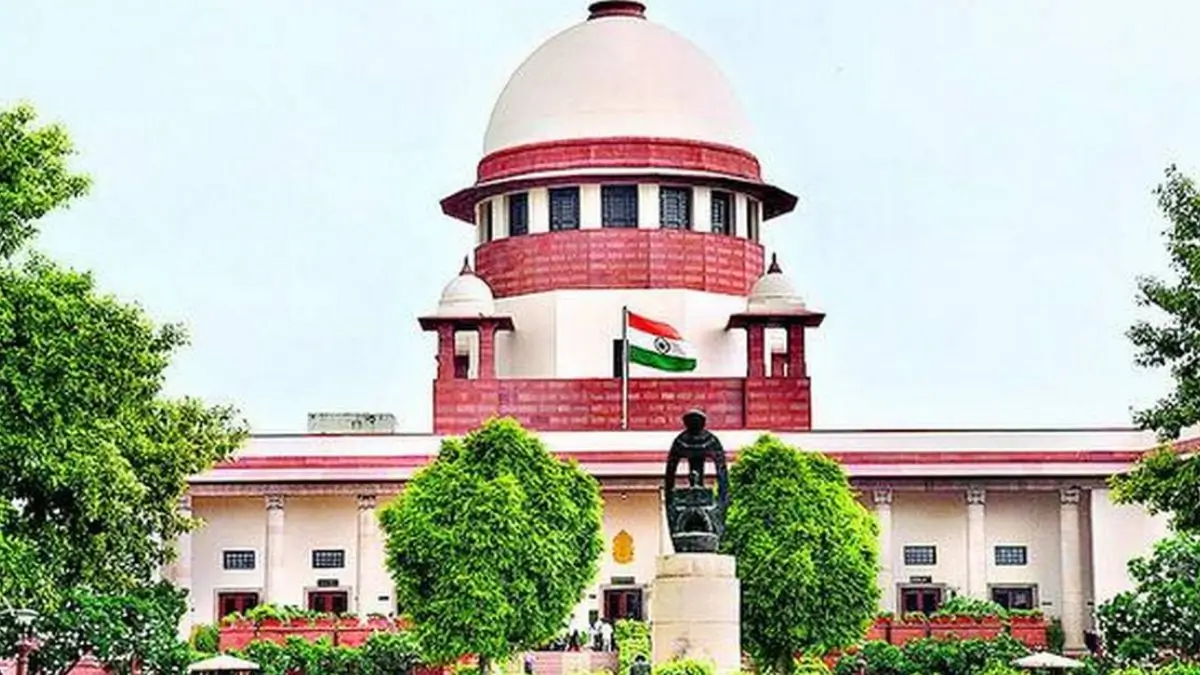
The Supreme Court of India has consistently maintained that peaceful protest is a matter of constitutional importance so long as it is carried out in compliance with the law.

Fundamentals of the Right to Protests

In India, the right to protest has its origin in the Fundamental Rights mentioned in Article 19 of the Constitution.

Article 19(1)(a): Right to Freedom of Speech and Expression

  • The article provides the right to all citizens to express their thoughts, feelings, opinions, and thoughts.
  • Moreover, peaceful protests, slogans, speeches, and campaigns fall into the ambit of the right provided by Article 19(1)(a).

Article 19(1)(b): Right to Assemble Peacefully

  • Citizens have the right to assemble peacefully and unarmed.
  • This constitutional provision forms the basis for the conduct of protests.

Are There Any Restrictions on the Right to Protest?

Yes.

According to Article 19(2) and 19(3) of the Constitution, the government has the power to enforce limitations on the right to protest for reasons such as,

  • Sovereignty and integrity of India
  • Security of the State
  • Friendliness to foreign States
  • Public order
  • Orderliness and decency
  • Contempt of court
  • Defamation
  • Prevention of incitement to crime.

The purpose of these limitations is to seek a balance between individual freedom and public security and functioning of the Constitution.

How Protests Are Governed in India?

Despite being a constitutional privilege, public protests are controlled by the administration.

Typical regulations include,

  • Enforcing some specific locations for protests
  • Securing prior law enforcement clearance
  • Planning transportation and routes
  • Giving directions on use of weapons
  • Applying the prohibitory order from Section 163 of the Bharatiya Nagarik Suraksha Sanhita Act

These measures are introduced to encourage peaceful demonstrations, without violating any safety standards.

Stand of India on Peaceful Protest at UN

India has recognised peaceful assembly as a vital aspect of democratic tradition.

During the 47th Session of the Human Rights Council of the UN in Geneva in 2021, India stated that peaceful protests and demonstrations are common in India as part of its democratic process.

The Indian representative pointed out that,

  • Article 19 provides for free assembly.
  • The apex court has granted constitutional recognition to peaceful protest.
  • Governments must find a balance between the freedom of citizens and the responsibility of protecting the right to life and the orderliness of society.

Key Supreme Court Rulings Regarding the Right to Protest

The Supreme Court has significantly impacted the definition of the right to protest in India.

Himat Lal K. Shah v. Commissioner of Police (1973)

In this notable case, the Supreme Court ruled that,

  • The right to assemble peacefully is a crucial element of democracy.
  • People should have the opportunity to discuss various issues including political, social, religious, and economic concerns.
  • The government can regulate public areas but it cannot impose unreasonable or blanket bans.

The court differentiated between reasonable restrictions and arbitrary exclusion, indicating that restrictions must be fair and proportional.

Mazdoor Kisan Shakti Sangathan v. Union of India (2018)

The case questioned the imposition of restrictions on protests near the Parliament House and Central Vista in Delhi.

The Supreme Court stated that the authorities may impose restrictions on protests by,

  • Regulating the number of participants.
  • Maintaining distance from Parliament, Supreme Court and other sensitive government buildings.
  • Prohibiting the protestors from carrying arms or dangerous materials.

The judgment recognized Jantar Mantar as a recognized place for protests and emphasized that regulation can never become a complete prohibition over peaceful demonstrations.

Amit Sahni v. Commissioner of Police (2020) – The Shaheen Bagh Case

Court explained the boundaries of the right to protest in case of the Shaheen Bag

It was stated by the Court that,

  • Public demonstrations should be held in specified places.
  • Protests cannot block public roads forever.
  • Right to protest of the citizens should be balanced with the rights of the public, including commuters.

The Court noted that constitutional rights must not lead to major inconvenience to the other parties.

Why Is Protesting So Important?

Peaceful protests solidify democracy and give people the chance to,

  • Share their thoughts.
  • Put pressure on the authorities.
  • Ask for changes in the law.
  • Bring attention to economic and social problems.
  • Preserve constitutional principles.

Many important democratic reforms originated from peaceful public movements.

Balancing Rights with Safety

Although the Constitution guarantees the right to peaceful protests, the authorities must also guarantee the following,

  • Safety of the people.
  • Traffic control.
  • Access to essential services.
  • National security.
  • Rights of people who do not protest.

Multiple court rulings confirm the idea that neither free protesters, nor those who restrict certain protests do the right thing.

Mass Protests in India: A Timeline of Major Public Movements That Shaped the Nation (2011–2026)

India has a rich history of protests, where the people have come out on the streets to demand justice, accountability, reforms, and changes in policies. The right to protest peacefully is recognized under Article 19 of the Constitution, and as one of the foundations of democracy in India, it is subject to reasonable limits in the interest of public order.

The recent nationwide protests led by the Cockroach Janta Party (CJP) on the grounds of the alleged examination discrepancies and NEET examination leak controversy shows how powerful public movements are in the sphere of public policy. The protests are said to have resulted in the resignation of the Union Minister for Education, making it one of the most important political events of 2026.

Here are some of the most significant protests of the country over the last 20 years, and the results of the protests.

India’s Tradition of Mass Protest

Mass demonstrations have been a key element in the development of democracy in India. They have been instrumental in the freedom struggle and in more recent protests against corruption, gender violence, contested laws, and unemployment issues, pressuring the government to change rules and work for reforms.

While every protest comes from different social conditions, all indicate the commitment of people to seek responsibility using democratic instruments.

April 2011: Anna Hazare’s Anti-Corruption Campaign

In April 2011, one of the largest anti-corruption movements in independent India commenced with social activist Anna Hazare’s hunger strike. In this hunger strike, Anna Hazare urged the government to amend the law with the help of the Jan Lokpal Bill.

This movement received tremendous responses from the general public and people participated in peaceful protest rallies in huge numbers. It was Anna Hazare’s detention that brought to life the public emotions of the people.

Subsequently, the Parliament passed the Lokpal Bill; however, Anna Hazare remains dissatisfied with the bill, expressing that the law has not achieved the aims of the movement. The movement also changed the face of Indian politics, which ultimately led to the birth of Aam Aadmi Party in 2012.

December 2012: Nirbhaya Protests Brought Changes to Criminal Law in India

Mass protests erupted across the country after a brutal gang-rape and assault of a woman took place in Delhi in December 2012, with calls for justice and stronger legislation to protect women.

Many thousands of Indians took to the streets, gathering at the India Gate and elsewhere, and demanding new laws and better protection of women.

The aftermath of the protests changed the legal environment drastically, which included,

  • Changing the definition of sexual offenses
  • Strengthening the punishment system
  • Implementing fast-track courts for sexual assault cases.

In 2020, four adult prisoners were executed after going through all trials.

December 2019: Citizenship Amendment Act (CAA) Protests

In December 2019, the Citizenship Amendment Act (CAA) was passed, which led to protests in various states.

Those in favour of CAA claim that the law protects the minority communities from persecution in nearby countries.

However, the critics believe that the CAA, along with the intended National Register of Citizens (NRC), will discriminate against Muslims and violates the secular nature of the country.

Protests lasted for several months and violent clashes erupted in some locations. The CAA was enacted in March 2024, after the protests ended.

Farmers Movement in September 2020

September 2020 saw the start of demonstrations by thousands of farmers in Punjab, Haryana, and western Uttar Pradesh against the new agricultural laws.

Farmers have grave concerns about the possibility of reforms leading to the demise of the Minimum Support Price system and more intervention from private buyers.

The agitation, characterized by a number of prolonged sit-ins at several locations near Delhi’s borders, has come to be recognized as one of the longest movements by farmers in history.

After almost one year of continuous protests, the government announced the withdrawal of all three farm laws in November 2021.

August 2024: Doctor’s Protest After Kolkata Hospital Controversy

The purported rape and killing of a junior doctor in a government-run hospital in Kolkata provoked protests among medical practitioners across the country.

The medical organizations requested the,

  • Improved security of working places
    Quicker investigations
    Strict laws against violent acts against medical staff members

The demonstrations lasted for a number of months, raising awareness of the problem across India.

July 2026: Cockroach Janta Party (CJP) Movement Over Exam Paper Leaks

In July 2026, the Cockroach Janta Party (CJP) movement made history as the latest youth-led protests in India.

The issue at stake was alleged examination irregularities and the NEET paper leak controversy, where protesters clamored for accountability and examination reforms.

The movement gained momentum throughout the country from Week 1 until the reported resignation of the Minister of Education. It has become one of the most significant public movements during the tenure of Prime Minister Narendra Modi.

While supporters of the movement called it a movement for transparency in examinations, it also rekindled the debate about the need for examination reforms and accountability in institutions.

Key Features of Major Protests in India

Though each of India’s largest mass protests deals with different issues, many possess certain common features, including,

  • Demands for more government accountability
  • Calls for reforms in policies
  • Public mobilization through peaceful protests
  • Participation of youth and civil society
  • Huge media and public attention
  • Impact on governance and legislation

The protests exemplify the role of participatory democracy in India’s policy making process.

Right to Protest in India

According to Article 19(1)(a) (Freedom of Speech and Expression) and Article 19(1)(b) (Right to Assemble Peacefully), the Right to Protest is a guaranteed right.

This right, however, is subject to reasonable restrictions such as,

i) Public order
ii) National security
iii) Sovereignty and integrity of India
iv) Decency and morality

The Supreme Court has held that peaceful protests are constitutionally protected, however they should not be allowed to obstruct public life or business indefinitely.

Raja Muthupandi Wins Silver at Commonwealth Games 2026

Indian weightlifter Raja Muthupandi win a silver medal in the men’s 65kg category at the Commonwealth Games 2026 being held in Glasgow. Raja lifted a total of 286kg together in the snatch and clean & jerk events to end in second place behind Aznil Bin Bidin Muhamed of Malaysia, who took the gold with the Games record finish among other impressive victories on this day of Indian weightlifting.

Raja Muthupandi Bags Silver in Men’s 65kg Weightlifting Event

Raja Muthupandi fought hard in one of the most competitive events of the games to clinch a silver medal.

Muthupandi lifted a total of 286kg, finishing second only to Aznil Bin Bidin Muhamed of Malaysia, who set a new Commonwealth Games record after lifting 299kg to win the gold medal.

Morea Baru of Papua New Guinea took the bronze, as he failed to surpass Muthupandi in his last clean & jerk attempt.

With this silver medal, India’s weightlifting campaign at the Commonwealth Games reached another landmark.

A Nail-Biting Contest for the Podium

The men’s 65kg competition saw thrilling rivalry in both events.

Snatch Event

  • Raja started poorly with a failed attempt but recovered quickly.
  • He succeeded in lifting 126kg and continued to contend for a medal amidst strong competition.
  • Malaysia’s Aznil Bin Bidin Muhamed took an early lead by lifting 130kg and 133kg and appeared likely to win the gold.

Clean and Jerk Event

  • The clean and jerk event created a dramatic end.
  • Raja had a failed attempt at lifting 158kg but confidently bumped the weight to 160kg and completed the lift, setting the Commonwealth Games record temporarily.
  • Aznil, however, managed to achieve 162kg and 166kg lifts, thus winning the gold while Raja had to try for 170kg in order to win.

Although he wasn’t successful, Raja managed to retain his silver medal safely since Morea Baru’s last attempt was unsuccessful.

The Winners in the Men’s 65kg Weightlifting Championship

According to the final results,

  • Gold – Aznil Bin Bidin Muhamed (Malaysia)
  • Silver – Raja Muthupandi (India)
  • Bronze – Morea Beru (Papua New Guinea)

Raja Muthupandi’s medal win contributes to India’s weightlifting medal tally.

An Extraordinary Comeback Story

Raja Muthupandi’s silver medal is the result of years of hard work and determination.

His career began with,

  • Gold and silver medals at the 2017 Commonwealth Youth and Junior Championship
  • National championships in 2019 and 2022
  • However, his bright future was crushed at the 2019 Commonwealth Championships when he injured a ligament in his right elbow during the snatch event.
  • The injury needed surgical procedures, which kept him out of the sport for long.
  • Even though he returned to competition in 2021, his chance of selection for the 2022 Commonwealth Games also came down to mere luck.

Despite these obstacles, he chose not to surrender, instead worked to regain his position in the sport.

India’s Weightlifting Success

At the Commonwealth Games, the sport of weightlifting has consistently shown India to be among the strongest in the event.

Moreover,

  • Mirabai Chanu claimed India’s first gold medal at the competition.
  • Rishikanta Singh earned silver medal.
  • Raja Muthupandi won silver in men’s 65kg.

These results highlight the fact that weightlifting is one of India’s dominant sports.

The Indian squad is poised for even more success, as Bindyarani Devi, Valluri Ajaya Babu, and Gyaneshwari Yadav prepare to compete.

CRPF Foundation Day 2026: Celebrating the Courage, Sacrifice, and Service of India’s Central Reserve Police Force

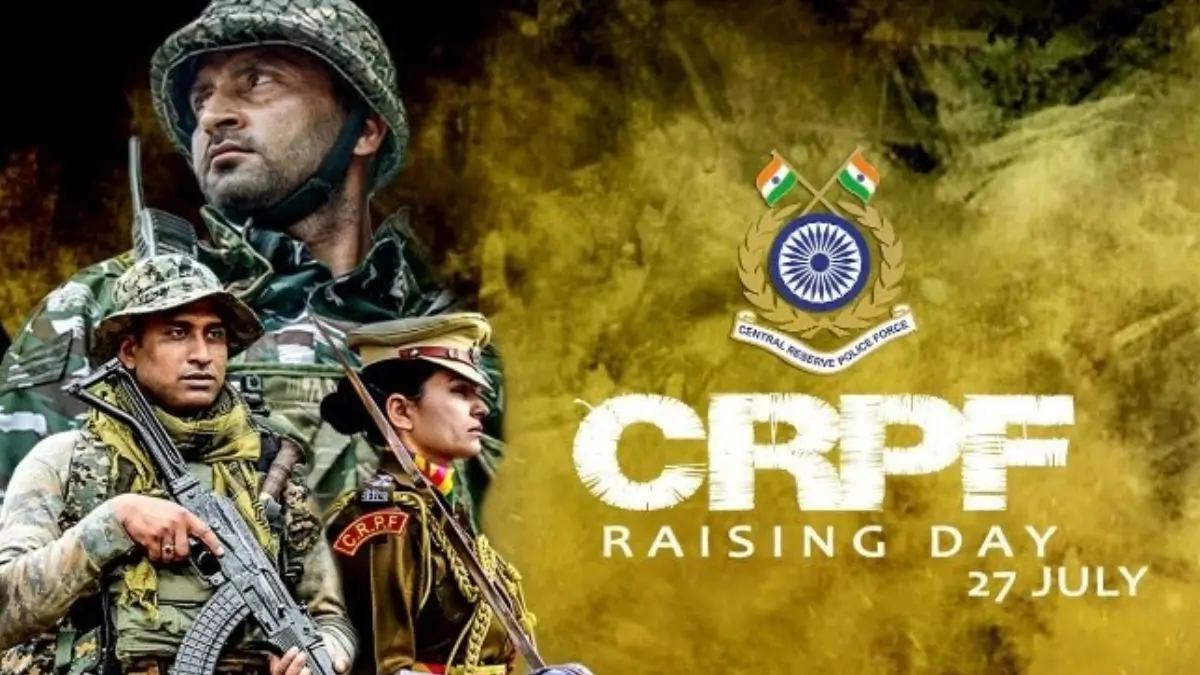
On 27 July, the CRPF Foundation Day celebrated in 2026 to pay tribute to the founding of the Central Reserve Police Force, which is the largest Central Armed Police Force in India. The event commemorates the exceptional bravery and sacrifice of a large number of CRPF officials operating in the country to maintain the law and order situation, fight terrorism, tackle Left-wing extremism, ensure election security, and conduct rescue operations in case of any calamity. While celebrating its 87th Foundation Day, the CRPF plays its vital role in maintaining the integrity, democracy, and constitutional values of the country with a sense of professionalism and commitment.

Why CRPF Day is Celebrated?

The reason behind the celebration of CRPF Foundation Day is to commemorate the formation of CRPF in 1939 when it was called the Crown Representative’s Police in British India.

After India gained independence, Parliament passed the CRPF Act, 1949, and on 28 December 1949, the name was changed to the Central Reserve Police Force (CRPF).

Since then, CRPF has grown to be the leading internal security force of India having various responsibilities such as law enforcement, counter-terrorism, election security, as well as responding to disasters.

The day gives us an opportunity to recognize the courage of CRPF personnel working across different parts of the country in difficult conditions.

The Background and Development of the CRPF

Over the years, the Central Reserve Police Force has transformed itself from a minor police unit to one of the largest paramilitary services in the world.

Establishment in 1939

  • It was formed as the Police Force of the Crown Representative for the purpose of maintaining public order in the Indian states during the last years of the British rule in India.

In 1949

  • In 1949, the force was renamed the Central Reserve Police Force.
  • The first Home Minister of India, Sardar Vallabhbhai Patel, wanted to see the CRPF as a unit capable of tackling all the internal security problems that the country might face.

1950s – Nation Building

  • The CRPF made a notable contribution in unification of the country by helping in integration of the Indian princely states with the Indian Union and restoring law and order in such regions as Junagadh, Kathiawar, and PEPSU.

In the year 1959 – Hot Springs Incident

  • On October 21, 1959, in an ambush made by the Chinese army, 10 soldiers of the CRPF became martyrs.
  • This day is marked every year as Police Commemoration Day and every police officer who dies in the line of duty is remembered.

Role and Mission of the CRPF.

The responsibility of the CRPF is to ensure the internal security and public order and to uphold the rule of law, stability of the nation, and Constitution of the country.

The following are its key functions,

  • Counter-terror operations
  • Counter-insurgency missions
  • Anti-Left-Wing Extremism operations
  • Riots and crowd control
  • Security arrangements for elections in India
  • VIP security and security at Parliament
  • Support in defense of borders during a war
  • Rescue and relief operations during calamities
  • Participation in UN peacekeeping operations

The Central Reserve Police Force collaborates with the Ministry of Home Affairs, state police, and other central armed police forces.

Organizational Strength of the CRPF

The CRPF has grown to become a highly specialized force in the past decades.

Presently, the CRPF consists of the following,

  • 246 Battalions,
  • 208 Executive Battalions
  • 6 Women Battalions
  • 15 Rapid Action Force battalions
  • 10 CoBRA battalions engaged in anti-Naxal operations
  • 5 Signal Battalions
  • Special Duty Group
  • Parliament Duty Group
  • 43 Group Centers
  • 20 Training Institutions
  • specialized hospitals, arms stores and ammunition factories.

This large structure enables the CRPF to meet the challenges of internal security effectively throughout the country.

Significance in Elections and In-house Stability

The Central Reserve Police Force (CRPF) is considered the most reliable force for protecting the parliamentary and legislative elections of India.

The functions of the CRPF include,

  • Coordinating with the Election Commission of India
  • Sending security personnel to vulnerable parts of the country
  • Using patrols in maintaining presence and ensuring confidence in the area
  • Protecting the voting sites
  • Helping police forces in the country restore law and order
  • Controlling the movement of personnel from control rooms

Apart from the elections, the CRPF has played an important part in fighting militancy in Punjab, terrorism and insurgency in Northeast India, and Maoism throughout central India.

Contributions to Disaster Relief and International Peacekeeping

Not only does the CRPF take part in security missions, but it also has a good reputation with humanitarian missions.

The CRPF has taken part in relief and rescue missions in the,

  • The Odisha Super Cyclone (1999)
  • Gujarat Earthquake (2001)
  • The Indian Ocean Tsunami (2004)
  • The earthquake in Jammu and Kashmir (2005)

On the international level, the CRPF has been involved in UN peacekeeping missions in the following countries,

  • Sri Lanka
  • Haiti
  • Kosovo
  • Liberia
  • Namibia
  • Somalia
  • Maldives

Therefore, India has achieved a good standing in the international peacekeeping missions.

PM Modi’s Exam Security Task Force: Members, Objectives, Key Highlights and Role of Nandan Nilekani

Prime Minister Narendra Modi has announced the formation of a high-powered Exam Security Task Force to strengthen India’s examination system and prevent incidents such as paper leaks, impersonation, and malpractice. The committee will recommend technology-driven reforms to make competitive examinations more secure, transparent, and credible.

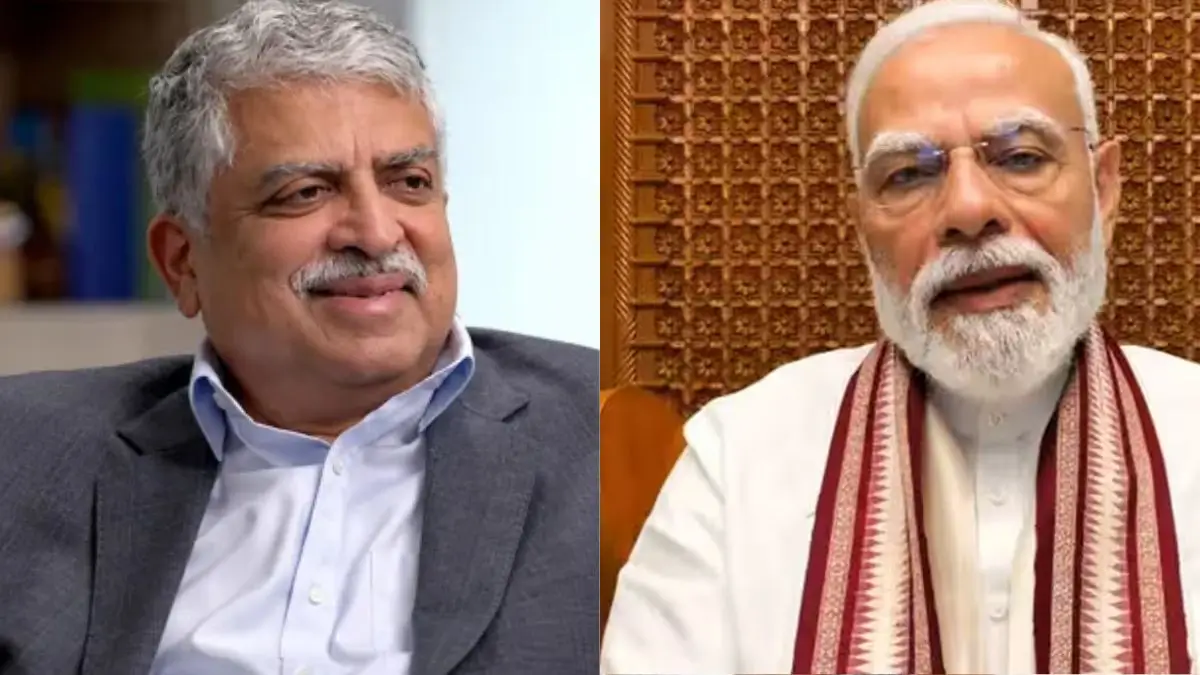
The task force will be headed by Infosys Co-founder Nandan Nilekani and comprises experts from education, technology, administration, space research, and internal security.

Why Has the Exam Security Task Force Been Formed?

The Government of India has constituted this task force to modernize the country’s examination ecosystem following concerns over examination integrity. The committee will focus on leveraging advanced technologies, improving logistics, and strengthening institutional mechanisms to ensure fair and transparent examinations across the country.

Objectives of PM Modi’s Exam Security Task Force

The key objectives of the task force include:

  • Prevent paper leaks and examination fraud.
  • Introduce advanced technology for secure examinations.
  • Strengthen digital infrastructure for national-level exams.
  • Improve transparency and accountability in recruitment and entrance tests.
  • Recommend long-term reforms for examination security.
  • Restore public confidence in India’s examination system.

Members of the Exam Security Task Force

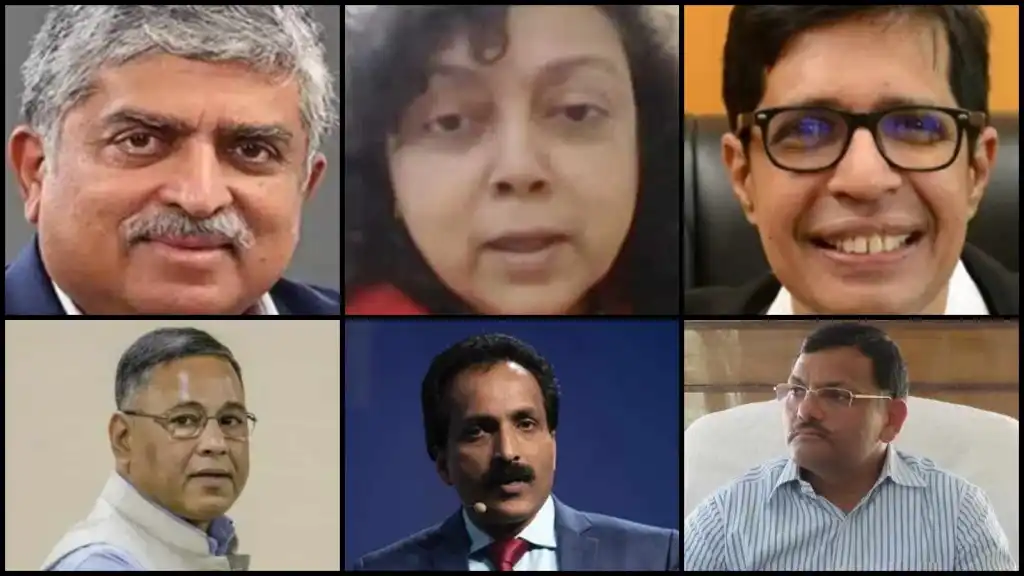
The six-member high-powered committee consists of renowned experts from different fields.

Member Designation/Expertise Role
Nandan Nilekani Infosys Co-founder & Digital Governance Expert Chairman
Amrit Lal Meena Former IAS Officer Logistics Expert
Anita Karwal Former Education Secretary & Ex-CBSE Chairperson Education Expert
Dr. V. Kamakoti Director, IIT Madras Technology & AI Expert
S. Somanath Former ISRO Chairman Science & Technology Expert
Tapan Deka Former Intelligence Bureau Chief Security Expert

Who is Nandan Nilekani?

Nandan Nilekani is the Co-founder and Chairman of Infosys and one of India’s leading technology visionaries. He served as the founding Chairman of the Unique Identification Authority of India (UIDAI) from 2009 to 2014, where he led the implementation of the Aadhaar programme.

He has also chaired the Technology Advisory Group for Unique Projects (TAGUP) and co-chaired the G20 Task Force on Digital Public Infrastructure. His extensive experience in digital governance and large-scale technology projects makes him well-suited to lead the examination reform initiative.

Key Members at a Glance

Amrit Lal Meena

A retired 1989-batch IAS officer of the Bihar cadre, Amrit Lal Meena has served as the Chief Secretary of Bihar and Secretary in the Coal Ministry. He has been inducted as the Logistics Expert in the task force.

Anita Karwal

Former Education Secretary and former Chairperson of CBSE, Anita Karwal played an important role in the implementation of the National Education Policy (NEP) 2020. She contributes her expertise in school and examination administration.

Dr. V. Kamakoti

Dr. V. Kamakoti is the Director of IIT Madras and an expert in Artificial Intelligence, cybersecurity, and computer architecture. He is known for leading the development of India’s indigenous ‘Shakti’ microprocessor.

S. Somanath

Former ISRO Chairman S. Somanath led landmark missions such as Chandrayaan-3 and contributed significantly to India’s space programme. His expertise will help strengthen technological solutions for secure examinations.

Tapan Deka

Former Intelligence Bureau Chief Tapan Deka is an experienced security professional known for strengthening intelligence coordination and counter-terrorism operations. His inclusion will help improve examination security and threat assessment.

Expected Role of the Task Force

The committee is expected to recommend measures such as:

  • AI-based monitoring of examination centres.
  • Biometric candidate verification.
  • Secure encrypted digital question paper delivery.
  • Real-time surveillance and analytics.
  • Improved logistics for transporting examination materials.
  • Stronger cyber security and anti-cheating mechanisms.

Importance for Competitive Exams

The Exam Security Task Force is important for aspirants preparing for:

  • UPSC
  • SSC
  • Banking Exams
  • RRB/Railway Exams
  • NEET
  • JEE
  • CUET
  • State Public Service Commission Examinations

Questions related to the committee, its chairman, members, objectives, and examination reforms are likely to be asked in General Awareness sections.

Key Highlights

  • Prime Minister Narendra Modi has announced a high-powered Exam Security Task Force.
  • Infosys Co-founder Nandan Nilekani has been appointed as its Chairman.
  • The committee consists of six experts from technology, education, administration, science, and security.
  • The primary objective is to strengthen India’s examination system and prevent paper leaks.
  • The task force will recommend technology-driven reforms to ensure transparent, secure, and credible examinations.

PM Modi Announces Exam Reform Task Force Led by Nandan Nilekani to Strengthen India’s Examination System

Honourable Prime Minister Narendra Modi has made an announcement regarding to establishing a new Exam Reform Task Force which will be chaired by Nandan Nilekani who is also a co-founder of the Infosys. This announcement was made as part of the government’s efforts to overcome the issues of paper leakage related to exams and to regain the people’s confidence in competitive exams. The committee was announced before the introduction of the Public Examinations (Prevention of Unfair Means) Amendment Bill, 2026. The main objective of the task force is to make recommendations regarding the new generation of the reform process aimed at enhancing the reliability, transparency, and tech adaptation of the examination system in the country.

PM Modi Unveils Exam Reform High-Powered Task Force

In a video message posted on Instagram and later on X, Prime Minister Modi announced this initiative, stressing the government’s commitment to ensuring students’ futures by establishing a trusted exam system through the task force’s recommendations.

According to the Prime Minister, the task force aims to,

  • Improve transparency in the public exams.
  • Increase usage of technology in invigilating exams.
  • Stop any instance of exam paper leak.
  • Ensure credibility and efficacy of examination system of the country.

PM Modi has also expressed hope that the government would act on the recommendations of the task force and will make exam system more reliable soon.

Why Was the Task Force Constituted?

The announcement has been made in connection with the repeated incidents of leaking of exam papers that have impacted millions of students across the country.

In the last two years, issues relating to the integrity of public examinations have led to various reforms being introduced by the Centre after the NEET-UG exam paper leak controversy.

The new task force created by the government is aimed at improving the examination ecosystem by using the technology, improving governance issues, and instituting structural safeguards against malpractices.

Public Examinations Amendment Bill, 2026

The task force was announced just right before the Public Examinations (Prevention of Unfair Means) Amendment Bill, 2026 is anticipated to be presented in the Parliament.

The bill intends to,

  • Increase the penalties for individuals associated with exam paper leaks.
  • File tougher economic penalties.
  • Make the legal provisions stricter to control organized examination fraud.
  • Aid in speedy prosecution of offenders.

Members of the Task Force

The powerful committee brings together the several specialists from technology, education, science, security, and administration.

The members consist of the,

  • Nandan Nilekani – Infosys Co-founder and Task Force Chairman
  • Dr. S. Somnath – Former Chairman, Indian Space Research Organisation (ISRO)
  • Tapan Deka – Former Head, Intelligence Bureau of India (IB)
  • Prof. V. Kamakoti – Director, IIT Madras
  • Anita Karwal – Former Secretary of Education
  • Amrit Lal Meena – Expert in Logistics and Public Administration

Government’s Broader Push for Education Reforms

The task force is part of the broader efforts by the government to ensure the quality of the education system.

Among the most recent actions are the following the,

  • Reforms of the National Testing Authority.
  • Legal actions against persons suspected of cheating during examinations.
  • Creation of the fast-track courts to deal with cases of leaking examination papers.
  • Legislative changes to strengthen laws against cheating.

According to the PM Modi, these steps are needed to ensure that students are able to compete on a level playing field.

_12.1
July 2026
M T W T F S S
 12345
6789101112
13141516171819
20212223242526
2728293031