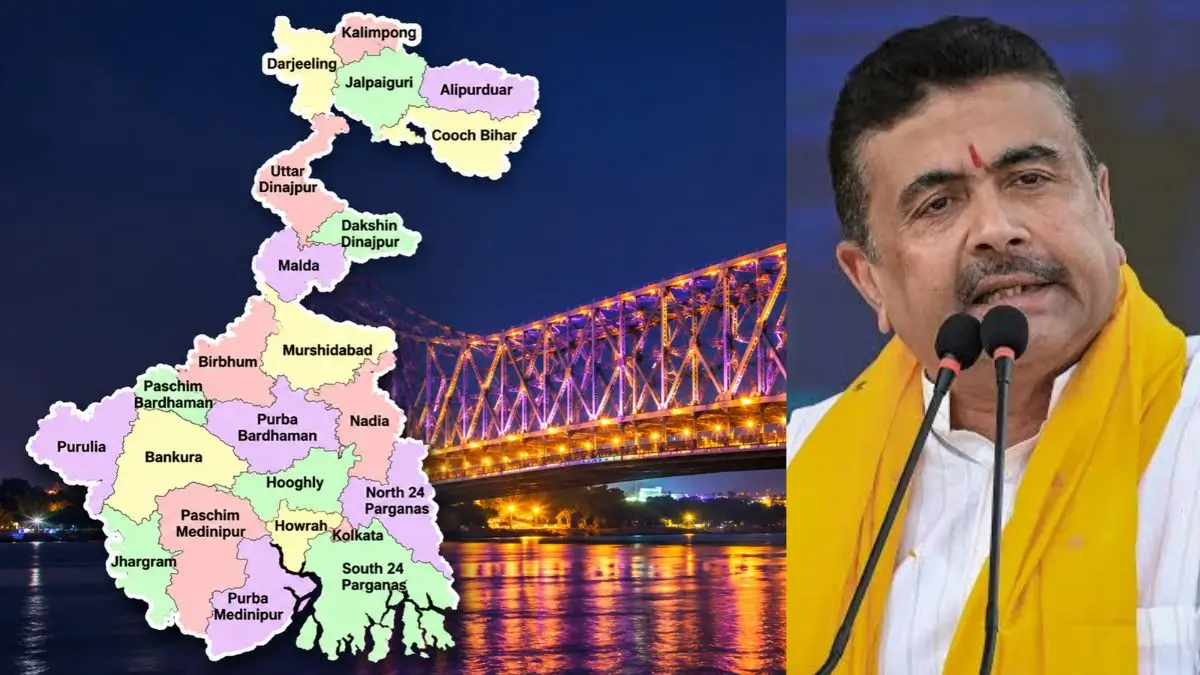
West Bengal Name Change Proposal 2026: Paschim Banga, Assembly Date and Approval Process

The West Bengal Cabinet has approved a name change and announced that it will submit a resolution to the Legislative Assembly on December 9, 2026. There has been an ongoing discussion regarding the appropriate name for the state. However, the Cabinet and state Assembly resolutions do not on their own allow for a name change. A constitutional amendment needs to be made by Parliament in order to legally change a state’s name (Article 3 of the Constitution).

What will West Bengal Be Called?

West Bengal will be known as Paschim Banga. The Chief Minister has stated that this new name is to be used in both English and Bengali and will replace the current English name of West Bengal.

On November 23rd 2026 the Cabinet approved the name change. The state government will then submit a resolution to the Legislative Assembly during the winter session.

Until the name change is officially implemented via the constitution, West Bengal will continue to be known by its current name.

Key Dates for West Bengal Name Change

Date Detail
Cabinet approves name change 23 November 2026
Start of the winter session 4 December 2026
Assembly resolution submitted 9 December 2026
End of winter session 14 December 2026
Proposed new name Paschim Banga
Constitutional amendment Requires the parliamentary legislation

Has West Bengal Already had its Name Changed?

No. Although the Cabinet has approved a new name, the state government will now submit a resolution to the Assembly.

Even if a resolution is favourably received by the Assembly, the name will still not be changed until the process is completed and authorised by both the Union government and Parliament as set out in Article 3 of the Constitution.

Why Has West Bengal Requested a Name Change?

The most recent name change initiative has been associated by the Chief Minister with the history behind the creation of West Bengal in 1947.

Previously, it has been suggested that West Bengal should Change Its Name, as it is positioned relatively late in alphabetical orderings of Indian states.

As its English name commences with a ‘W’, it is not ranked highly in many alphabetical listings.

Furthermore, West Bengal wished to adopt a name which better represents the state’s language and region. Previous state governments put forward options including Paschim Banga and Bangla but these were never successfully implemented.

Past Initiatives to Change West Bengal’s Name

Throughout the years there have been differing initiatives to rename West Bengal.

Year Action Outcome
1999 Discussion around name change No successful implementation
2011 Paschim Banga State government re-raises the issue of renaming the state
2016 Bangla, Bengal and Bangal Various names were suggested for different languages
2018 Bangla A resolution was submitted to the Assembly suggesting that West Bengal be called Bangla
2019 Bangla Union government did not approve this name change
2026 Paschim Banga Cabinet approved a new name change resolution to be submitted to the Assembly

Whilst in 2018 it was proposed that the state be called Bangla in all languages, the Union government did not approve this. The most recent initiative suggests reverting to the Paschim Banga name.

How is a State’s Name Changed in India?

Article 3 of the Indian Constitution enables Parliament to amend the name, territory and/or borders of an Indian state.

Typically, the following occurs,

  • Submission of a state resolution – The state government can submit a resolution for name change and attempt to gain the Assembly’s endorsement.
  • Presidential advice – Legislation to rename a state can only be submitted to Parliament if so advised by the President.
  • State Legislature consultation – The President consults the relevant State Legislature on the proposed legislation within a defined timeframe.
  • Parliamentary legislation – Parliament then reviews and adopts any submitted legislation.
  • Implementation – The new name is implemented in line with the relevant parliamentary legislation.

Note: Although the State Legislature is consulted, Parliament is not obligated to take this into account. Simply submitting a resolution to the state Assembly does not legally alter a state’s name.

Indian States that Have Changed their Names

Since Independence, a number of Indian states have altered their names in order to better represent their language, culture and history.

Old Name New Name Year Changed
Madras State Tamil Nadu 1969
Mysore State Karnataka 1973
Uttaranchal Uttarakhand 2007
Orissa Odisha 2011

This shows how states can change their names, following the constitutional process and in conjunction with Parliament.

PANI Project: Centre Proposes Undersea Fibre Cable to Connect Eight Andaman and Nicobar Islands

Improvements to digital connectivity within the Andaman and Nicobar Islands are being considered through the development of this new undersea optical fibre cable. Eight islands will be connected by the Port Alternative Network for Islands (PANI), which will originate from Puri in Odisha. It provides an alternative to the current submarine cable connecting the Andaman and Nicobar Islands to Chennai. The government is also considering extending 4G mobile networks to 87 currently unconnected villages and increasing connectivity via BharatNet.

What is PANI Project?

This project will include the installation of an undersea optical fibre cable to improve digital connectivity in remote islands.

Eight islands will be connected,

  1. Diglipur
  2. Mayabunder
  3. Shaheed Dweep
  4. Chowra
  5. Teressa
  6. Katchal
  7. Nancowry
  8. Little Nicobar

This cable will connect from Puri in Odisha, and acts as an alternative to the current submarine cable connecting Andaman and Nicobar Islands to Chennai.

Significance of Project

Redundancy in Connectivity

  • Improved reliable connection. If the current cable were damaged, this would mean less disruption for users.

Connectivity in Remote Areas

  • Increased mobile and internet connections in remote areas.

Improved Emergency Connectivity

  • Improved reliable connectivity during emergency situations and natural disasters.

Digital Inclusion

  • Improvement in digital infrastructure to increase access to online services.
  • This connection is a back-up option, it is not replacing the current cable.
  • Other Digital Connectivity Improvements in Andaman and Nicobar Islands

In addition to the PANI project, two further improvements to digital connectivity within Andaman and Nicobar Islands are being considered.

Extension of 4G Networks to 87 Unconnected Villages

Extension of 4G networks to 87 unconnected villages

  • It was proposed to extend 4G mobile networks to 87 unconnected villages. Priority will be given to villages with larger populations to improve digital connectivity in remote areas.
  • The Digital Bharat Nidhi is a fund set up by the government to improve telecommunications in rural/underserved areas.

Improved Connectivity through Revised BharatNet Programme

The revised BharatNet programme to provide ‘fibre to the home’ to 174 unconnected villages has been reviewed.

Progress has been made in the following areas,

  • 70 Gram Panchayats have been connected.
  • 4 of the 7 tribal council regions have been connected.
  • Plans are in place to connect the 3 remaining tribal council areas.

The aim of this project is to improve broadband provision in rural and remote areas.

Andaman and Nicobar Islands

  • Andaman and Nicobar Islands are a Union Territory of India.
  • It is located in the Bay of Bengal, to the south-east of mainland India.
  • The capital is Sri Vijaya Puram (previously called Port Blair).
  • The islands are split into 2 groups, with the Andaman Islands located in the North and the Nicobar Islands in the South.
  • The Andaman and Nicobar groups are separated by the Ten Degree Channel.
  • Indira Point, in Great Nicobar Island, is the southernmost point of Indian territory.
  • Barren Island, in the Andaman Sea, contains India’s only confirmed active volcano.

Asia Power Index 2026: India Retains Third Position, Overall Power Score Rises to 40.5

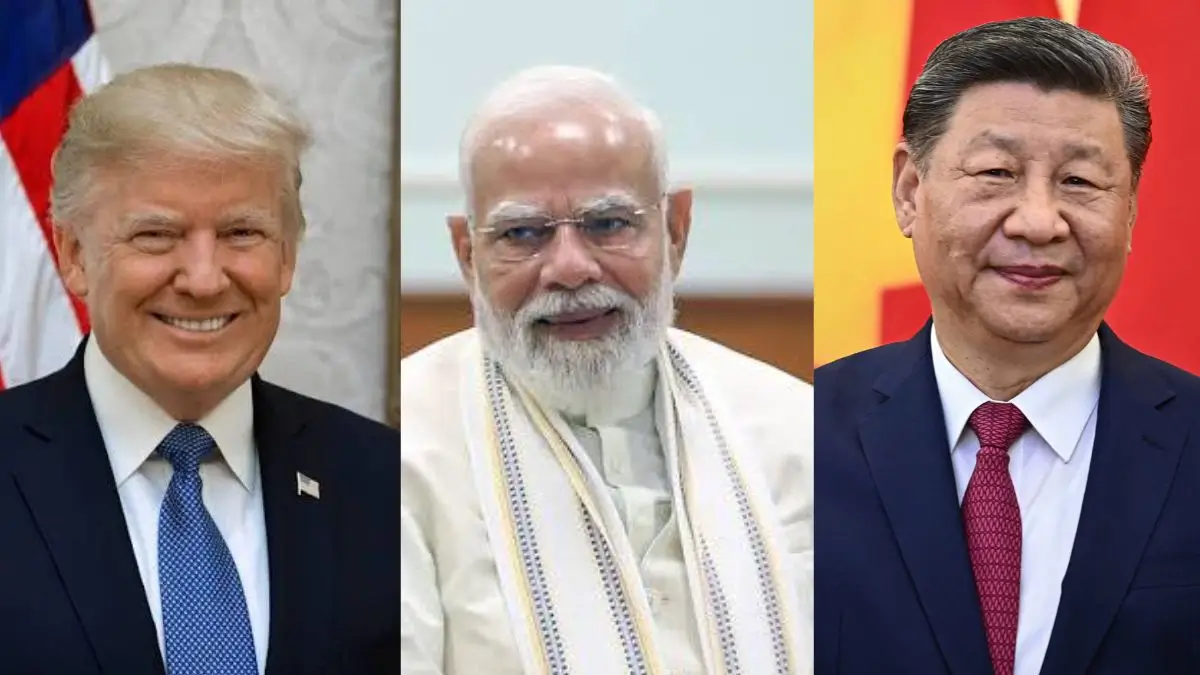
India ranks as one of Asia’s three most powerful countries in the 2026 Asia Power Index. It has a total score of 40.5 points. The top 2 countries are the United States and China. The next country is Japan. The index measures the distribution of power across the Indo-Pacific region. This is measured in 131 different indicators divided into 8 different measures. It includes 27 countries and territories.

Top Countries In The Asia Power Index 2026

Both the United States and China rank as the top 2 most powerful countries in Asia. However, their scores are much closer than ever before since the index was first published in 2018.

Rank Country Total Score
1 United States 78.9
2 China 73.6
3 India 40.5
4 Japan 38.6
5 Russia 32.2

The difference in power between the top 2 countries has decreased to just 5.3 points. The difference in military power between the two countries has also decreased to the lowest it has ever been in the index.

India in The 2026 Asia Power Index

India had an increase in its overall power score, increasing by 0.5 points from 2025. It is considered a major power. Improvements were seen in regional influence, Defence Networks and cultural influence.

India’s Power Scores

Measure 2026 Score
Economic Capacity 26.4
Military Capacity 48.5
Resilience 55.4
Future Resources 56.2
Economic Relations 19.9
Defense Networks 18.6
Diplomatic Influence 70.3
Cultural Influence 43.8

Total Power Score: 40.5

Key Points

1. High Diplomatic Influence

  • India had a high score in Diplomatic Influence (70.3). This score remained fairly similar from last year. However, many countries saw a decrease in this measure.
  • Although expert ratings of Prime Minister Narendra Modi’s regional leadership have increased, ratings of his global leadership and strategic ambition have decreased. This was partly due to India having a relatively low diplomatic presence in the Gulf conflict.

2. Slight Decrease In Economic Capacity

India had a slight decrease in economic capacity, with the score now being 26.4 (a decrease of 0.7).

This decrease was due to,

  • A depreciation of the Indian currency.
  • Changes in method used to measure economic capacity by the International Monetary Fund.
  • A decrease in outward investments of nearly $20bn.
  • Despite this decrease, India still ranked 3 rd in this category.

3. Increase in Future Resources and Cultural Influence

  • India had an increase in Future Resources, with the score increasing to 56.2.
  • Cultural Influence saw the largest increase in any of India’s 8 categories. It increased by 2.3, resulting in a score of 43.8. This increase was due to improvements in cultural outreach, information sharing and people to people relationships.

4. Improvement In Defence Networks

  • India had an improvement in Defence Networks, with its score increasing by 2.1 to 18.6. Improvements in regional defence and sales of BrahMos missiles to countries in south-east Asia contributed to this.
  • India’s rank in this category increased by 2 places, placing it 9 th overall.

Decrease In Power Difference Between The United States And China

In 2026 there was a more evenly balanced power distribution in Asia. The difference in power between the United States and China decreased to only 5.3 points.

Despite this decrease it was stated by the Lowy Institute that this is due to decisions made within US foreign policy and a greater focus on the Middle East, rather than large gains in power by China.

However, the United States had a significant drop in Diplomatic Influence. Its score dropped by 6 points to 76.7. This marks the 4 th consecutive decrease in this measure. The largest one-year decrease in this measure since its introduction in 2018.

This decrease is due to the war with Iran, trade tariffs and policy decisions that caused a decrease in confidence for leadership in America within this region.

About The Asia Power Index

The Asia Power Index is produced annually by the think tank Lowy Institute. It measures how well different countries and territories can influence external environments and affect the balance of power within the region. Key facts about the index include,

  • Name: Asia Power Index
  • Producers: Lowy Institute
  • Countries Included: 27
  • Indicators: 131
  • Categories: 8
  • First Published: 2018
  • Most Recent Edition: 2026

Eight Categories Of Power

The index is split into two categories,

Category Included

  • Resource-Based: Economic Capacity, Military Capacity, Resilience, Future Resources
  • Influence-Based: Economic Relations, Defence Networks, Diplomatic Influence, Cultural Influence

It looks at both what resources a country has and how it can use them to gain influence within the region.

Global Peace Honours 2026: Divyaj Foundation Recognises Courage and Humanity

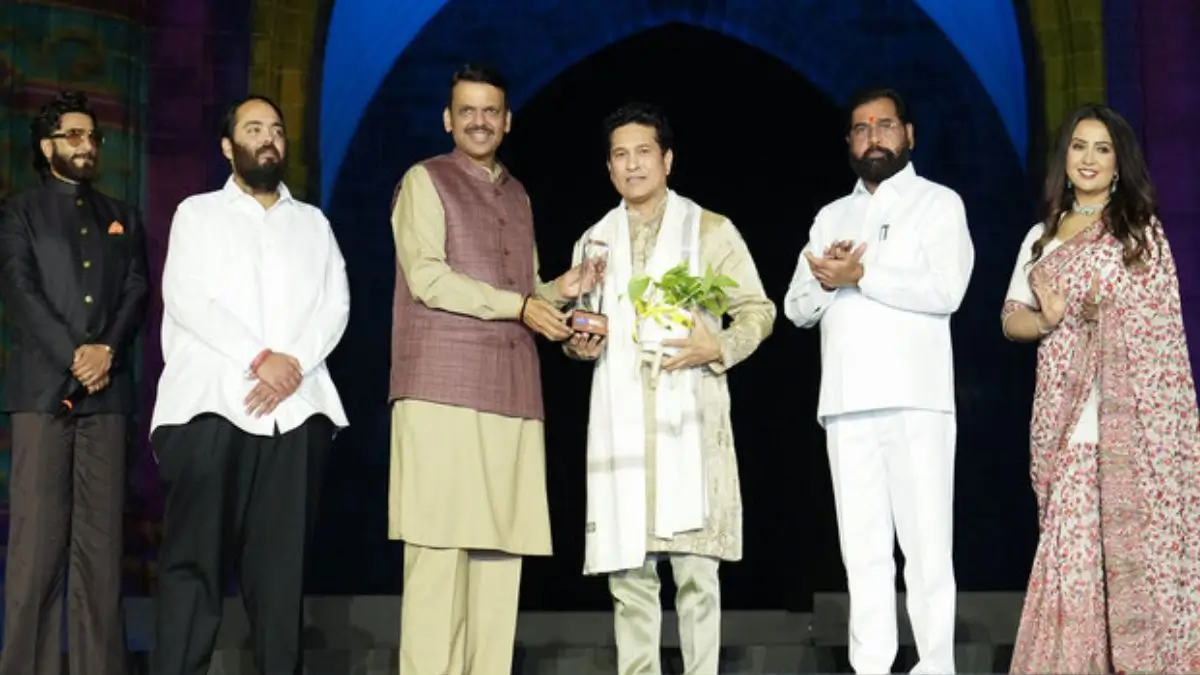
On 21st November at the Gateway of India, Mumbai, individuals from various areas of life including Cinema, Sports, spirituality, and Public figures, received awards at the Global Peace Honors 2026. These awards recognize people with great courage, peaceful values and who have contributed greatly to humanity and also pay tribute to those who have been victims of terrorism. Some notable award recipients and attendees are Sachin Tendulkar, Shah Rukh Khan, Sadhguru and Devika Rotawan (survivor of the 26/11 Mumbai terrorist attack).

Global Peace Honors 2026 Highlights

Sachin Tendulkar

Sachin Tendulkar, a former cricket player in India, received the global peace award in recognition of his work in charity through his foundation: ‘Sachin Tendulkar Foundation’ (STF)

This foundation aims to improve opportunities for children in both tribal groups and disadvantaged communities. In particular, it encourages girls to take part in sport.

Through its initiatives, children can get involved in,

  • Football
  • Basketball
  • Wrestling
  • Boxing
  • Athletics

Ranveer Singh was present at this ceremony with Tendulkar and acknowledged his work in improving education, health, sport and ambition for children.

Shah Rukh Khan

  • Shah Rukh Khan awarded Devika Natesan Rotawan with the Global Peace Award.
  • Devika Rotawan was only 9 years old during the 26/11 Terrorist Attacks in Mumbai. She has since become an important witness in the trial of terrorist Ajmal Kasab.
  • Shah Rukh Khan gave a speech at the ceremony and emphasized the importance of promoting peace and trust in order to reduce hate and violence.

Sadhguru

  • Spiritual leader Sadhguru Jaggi Vasudev was presented with the Global Peace Honors by Maharashtra’s Chief Minister Devendra Fadnavis, Deputy Chief Minister Eknath Shinde, and Actor Suniel Shetty.

Tribute to 26/11 Terrorist Victims

Veteran actor Amitabh Bachcha gave a special tribute to the Martyrs and Victims of the 26/11 Terrorist Attacks in a video that was played during the ceremony.

The ceremony marked the anniversary of the attacks, which occurred on 26th November 2008. This is the 18th anniversary

Global Peace Honors Overview

The Global Peace Honors is an annual event held by Divyaj Foundation, an NGO founded by Amruta Fadnavis.

The event aims to,

  • Recognize individuals with great courage, and who oppose terrorism.
  • Honor those who were victims of terrorist attacks. Also pay tribute to staff members in security.
  • Recognise people with great contributions in promoting peace, humanity and community service.
  • Encourage kind, unifying and supportive values.
  • In 2026 this event took place at Gateway of India, Mumba

Pooja Pal Develops Low-Cost Dust-Free Threshing Machine, Wins INSPIRE Award

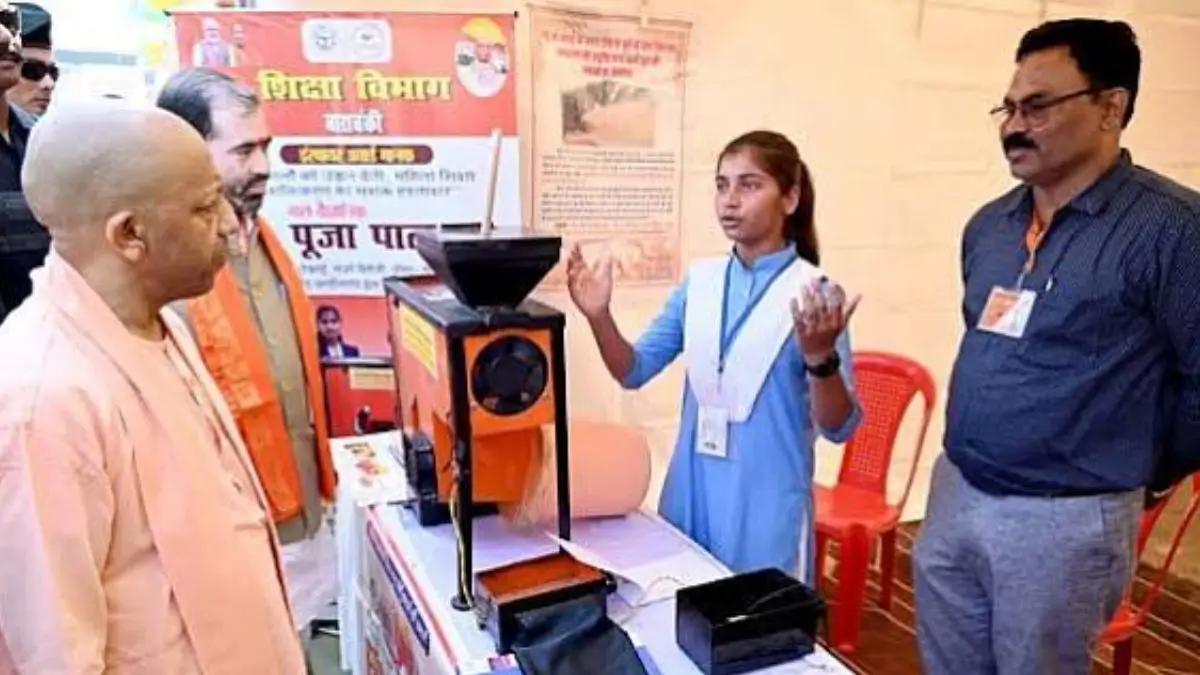
A 17-year-old girl from Uttar Pradesh named Pooja Pal has created an inexpensive dust reducing method in agriculture. Pooja made a prototype of her creation for approximately Rs 3,000. Pooja’s innovation has won her recognition through the INSPIRE Award. She has also received support from the Ministry of Science and Technology to apply for a patent.

Dust Reducing Innovation

Pooja Pal, hailing from Agehra village of Barabanki district in Uttar Pradesh, came up with an idea when she was in class 8. Pooja experienced a significant amount of dust and chaff from the operation of a thresher near her school. She had to stop lessons to assist students who were coughing.

With encouragement from her Science teacher, Rajeev Srivastava, Pooja developed a solution. After many failed prototypes, Pooja managed to create a functional prototype for approximately Rs 3,000.

Dust Free Threshing

The device works by trapping fine dust using water.

Dust particles are trapped using water.

Within the prototype, there is an air blower and a mesh system.

Dust is separated from the air. The device can be created cheaply, meaning it may allow farmers easier access to dust reduction methods. This creation aims to reduce agricultural dust inhalation for workers and people living in close proximity to threshing. However, independent information regarding efficiency of dust reduction or application across large farms has not yet been reported.

Recognition

Pooja’s innovation has been recognised through the INSPIRE Awards-MANAK scheme, provided by the Department of Science and Technology within the Ministry of Science and Technology.

In the year 2023 Pooja won the INSPIRE Award. She was the sole winner from Uttar Pradesh that year.

She displayed her project at the National Science Exhibition. In June 2025, Pooja was among 54 students in India to be admitted to the Sakura Science High School Programme in Japan. Pooja travelled to Tokyo. Pooja is receiving support from the Ministry of Science and Technology to apply for a patent. This should not be confused with her having been granted a patent.

Pooja was also selected to win the Pradhan Mantri Rashtriya Bal Puraskar in 2025 for her innovative achievement.

What is INSPIRE Awards-MANAK?

INSPIRE means Innovation in Science Pursuit for Inspired Research. The scheme promotes innovation and research in science within young pupils in India.

MANAK means Million Minds Augmenting National Aspirations and Knowledge. The aim of the INSPIRE Awards-MANAK scheme is to encourage students in schools to creatively solve issues in daily life using science and technology.

Features,

  • Target audience: Students in Years 6-10.
  • Aim: To encourage creative science ideas within technology.
  • Funding: Winners receive funding in the amount of ₹10,000 to develop prototypes.
  • Next steps: Winning ideas can be displayed at exhibitions in the district, state and nationally.
  • Supporting bodies: This scheme is run by the DST in conjunction with the National Innovation Foundation (NIF)-India.

Nayi Chetna 5.0 to Launch on November 25: Focus on Women’s Economic Empowerment

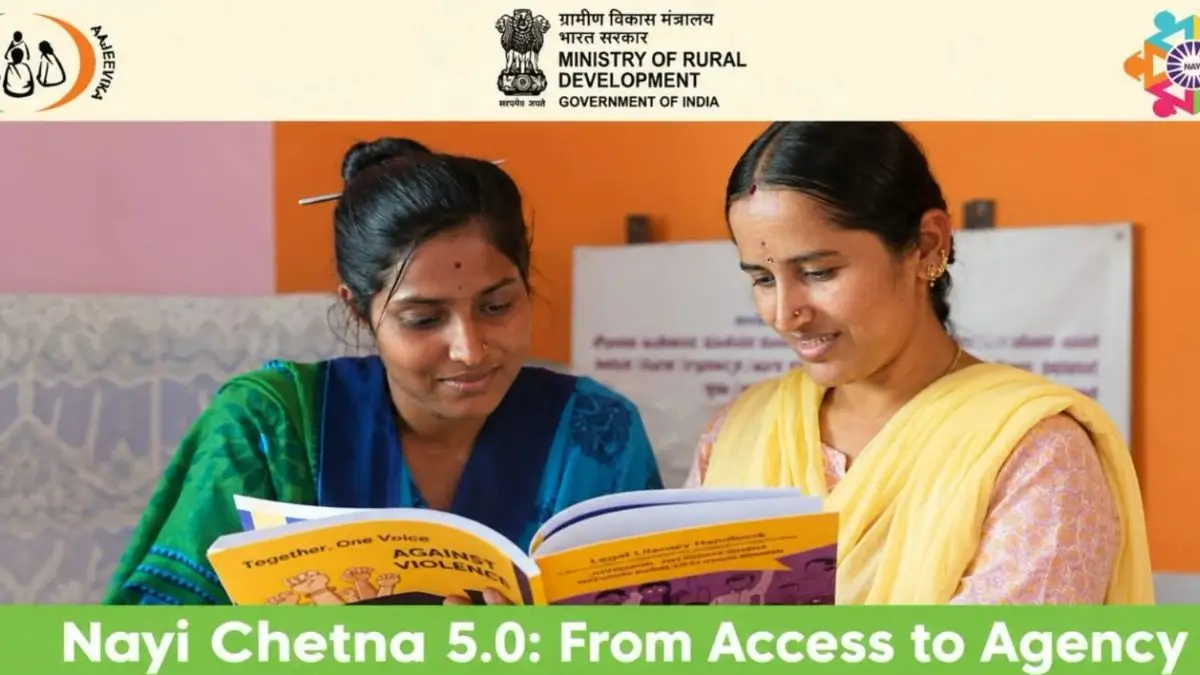
On 25th November 2026 (International Day for the Elimination of Violence against Women), the Ministry of Rural Development will launch the 5th edition of Nayi Chetna – Pahal Badlav Ki. This awareness building campaign will run from 25th November to 23rd December under the Deendayal Antyodaya Yojana- National Rural Livelihoods Mission (DAY-NRLM) with the aim of empowering women economically, providing equal opportunities, ensuring safety and enabling women to make independent decisions.

NAYI CHETNA 5.0

Theme

  • From Enabling Access to Enabling Agency: Empowering Women through Livelihoods and Equal opportunity for a Viksit Bharat
  • This theme stresses the importance of shifting focus to allow women to have more autonomy and agency in their lives.

Key Focus Areas of Campaign

  • Economic empowerment of women
  • Improving women’s access and ownership of assets/resources
  • Freedom to move safely within communities and access workplaces, markets and public spaces
  • Equitable sharing of unpaid care responsibilities

Nayi Chetna 5.0 aims to break down barriers stopping women from accessing livelihood opportunities, markets, financial services, public spaces and essential services.

Key Activities

  1. Inter-Ministerial Advisory Involving 15 different ministries
  2. Violence free village
  3. Empowerment of grassroots organisations

NAYI CHETNA 4.0 Report

During the launch, the Nayi Chetna 4.0 report will be published. The report will show what has been learnt from the previous edition to inform future activities.

Videos and presentations will be shown from across states in India, showcasing effective initiatives to improve gender equality at community level. New resource videos will also be launched.

What is the Nayi Chetna campaign?

Nayi Chetna – Pahal Badlav Ki was launched in 2022 as a national collaborative activity to tackle gender based violence, change harmful social norms and improve gender equality.

The campaign is led by DAY-NRLM (Ministry of Rural Development) with collaboration between central ministries, state government, community bodies and other stakeholders. It creates an environment that empowers women economically, and ensures safety and independence in decision making.

Men, boys and youth are involved in this initiative to combat discriminatory behaviours and encourage gender equality and shared responsibility.

FSSAI Sanctions Prosecution Against Bisleri Over Unsafe Packaged Drinking Water Sample

Packaged drinking water company Bisleri International Pvt Ltd has been asked to face prosecution by the Food Safety and Standards Authority of India (FSSAI) as a sample of the product was found to be unsafe. This is based on laboratory test results showing the presence of Bromate and Polynuclear Aromatic Hydrocarbons (PAHs). However, Bisleri has challenged some of the test results and claims that the product is safe. (Food Safety and Standards Act, 2006)

FSSAI Action on Bisleri

A sample of Packaged Drinking Water (excluding Mineral Water) produced by Bisleri was found to exceed bromate levels.

The initial test conducted by the laboratory found 12 mcg/l of Bromate in comparison to the permitted level of 10 mcg/l. Hence, according to FSSAI, the product sample was deemed unsafe under the Food Safety and Standards Act, 2006.

However, after an appeal was made by Bisleri, the sample was tested by a reference food laboratory. It was found to be unsafe due to the presence of Polynuclear Aromatic Hydrocarbons (PAHs).

Therefore, Bisleri has been asked to face prosecution by FSSAI for producing unsafe food.

Bisleri Response and Lab Results

Bisleri said that this particular batch of product, manufactured in September 2025, was produced at Bisleri’s plant in Goa out of a total of 143 plants.

On September 30, 2025, 6 samples were taken by FSSAI. 5 of the samples were found to meet required standards. However, one sample had a bromate concentration above the permitted level.

Bisleri has also appealed on November 22nd 2025. The sample was tested again by the reference lab and was found to have bromate concentrations within the permitted levels. However the Polynuclear Aromatic Hydrocarbons (PAHs) were detected.

After an independent test was also conducted at an FSSAI approved laboratory and the sample showed bromate within acceptable limits. These results were also submitted to the Western Regional Office of FSSAI in a letter dated February 2nd 2026.

Bisleri added that they have not officially received a notice from FSSAI, and will be cooperating with them in the correct manner. They added that there are over 90 quality checks completed in 10 stages in their production process.

This increase in strict action by FSSAI has been seen in relation to food business operators and e-commerce companies in 2026.

Key Terms

Bromate

  • Bromate is a compound in water, in certain circumstances.
  • It can be found in water during ozonation processes if there is Bromide present.
  • Exposure to high levels of Bromate causes concerns. Concentration of Bromate in drinking water is therefore regulated.

Polynuclear Aromatic Hydrocarbons (PAHs)

  • PAHs are a group of compounds containing multiple aromatic rings.
  • They are typically formed from incomplete burning of organic substances.
  • Certain PAHs are classed as carcinogenic.
  • PAHs can be emitted into the environment by industrial processes, vehicle fumes and other burning processes.

Adani Defence Demonstrates Bagheera AT1 Anti-Tank Guided Missile

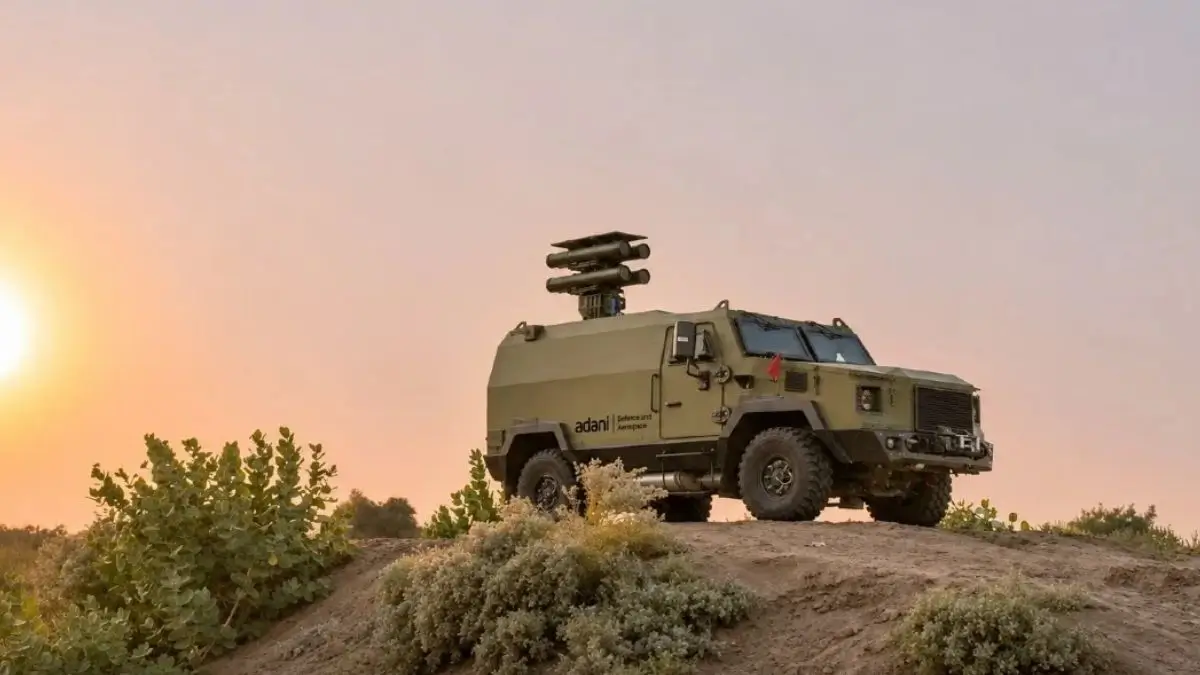
Adani Defence & Aerospace conducted a demonstration of its Bagheera AT1 anti-tank guided missile (ATGM) system at the Pokhran Field Firing Ranges in Rajasthan on 20 th November 2026. The demonstration was attended by representatives from the Indian Army, Department of Military Affairs and the Ministry of Defence. The system enables engagement of tanks and armoured vehicles, and has a laser guidance system, the ability to engage targets at night and the ability to overcome active protection systems. It took just 18 months to develop.

Bagheera AT1 Summary

  • Item: Bagheera AT1
  • Type of the misile: Anti-Tank Guided Missiles (ATGM)
  • Manufacturer: Adani Defence & Aerospace
  • Date Demonstrated: 20th November 2026
  • Location Demonstrated: Pokhran Field Firing Ranges, Rajasthan
  • Time to Develop: 18 months
  • Maximum Range: Up to 8km
  • Guidance System: Laser Guidance
  • Vehicle: High mobility 4×4 vehicle
  • Type of Demonstration: No Cost No Commitment (NCNC)

Overview of the Missile

  • The Bagheera AT1 is an anti-tank guided missle mounted on a vehicle. It is effective in engaging tanks and armoured vehicles.
  • The system has been developed by Adani Defence & Aerospace in 18 months, and has been tailored to be best suited for the terrain, climate and military requirements within India.

The system includes the following components:

  • Missile launcher – automated, mounted on a high mobility 4×4 vehicle.
  • Day/Night sight – enables targets to be seen in different lighting conditions.
  • Thermal camera – enables detection and tracking of targets at night.
  • Missiles – 4 missiles have been loaded on each vehicle ready to fire, with 8 spare missiles.

The demonstration was considered a No Cost No Commitment (NCNC) demonstration, meaning no purchase commitment was needed.

Key Features

1. Long Range

  • With a range of up to 8km, Bagheera AT1 can reach much further than other similar systems. Adani Defence & Aerospace claim that it has double the range of other systems.

2. Laser Guidance

  • Laser guidance means that the missile travels along a guided laser beam to the target.
  • It is therefore difficult to jam using traditional methods.

3. Overcomes Active Protection Systems

  • A key feature of this system is that it can overcome Active Protection Systems (APS).
  • An APS is a defence system in modern armoured vehicles. The system can detect a threat, and deploy counter measures to destroy/deflect the threat before impact.
  • Bagheera AT1 can launch two missiles in rapid succession, along the same guided path.
  • The first missile is intended to strike the active protection system of the tank.
  • The second missile will penetrate through any remaining defences of the vehicle (such as armour plating).

4. Day and Night Capability

  • Thermal cameras and day/night sights mean that targets can be detected and tracked in varying lighting conditions. During the demonstration in Pokhran, targets were engaged in both daylight and nighttime conditions.

5. Multiple Missiles

Each high mobility armoured vehicle is capable of carrying,

Component Number
Live Missiles 4
Spare Missiles 8
Total Missiles 12

Due to the automated nature of the missile launcher, multiple missiles can be fired whilst still having spare ammunition available.

What was Demonstrated in Pokhran?

  • Targets were engaged in both daylight and night conditions.
  • Two missiles were rapidly fired at one target.
  • Aerial targets were engaged from long ranges.
  • The full Bagheera AT1 system was displayed.

The demonstration was attended by representatives from the Indian Army, Department of Military Affairs and Ministry of Defence.

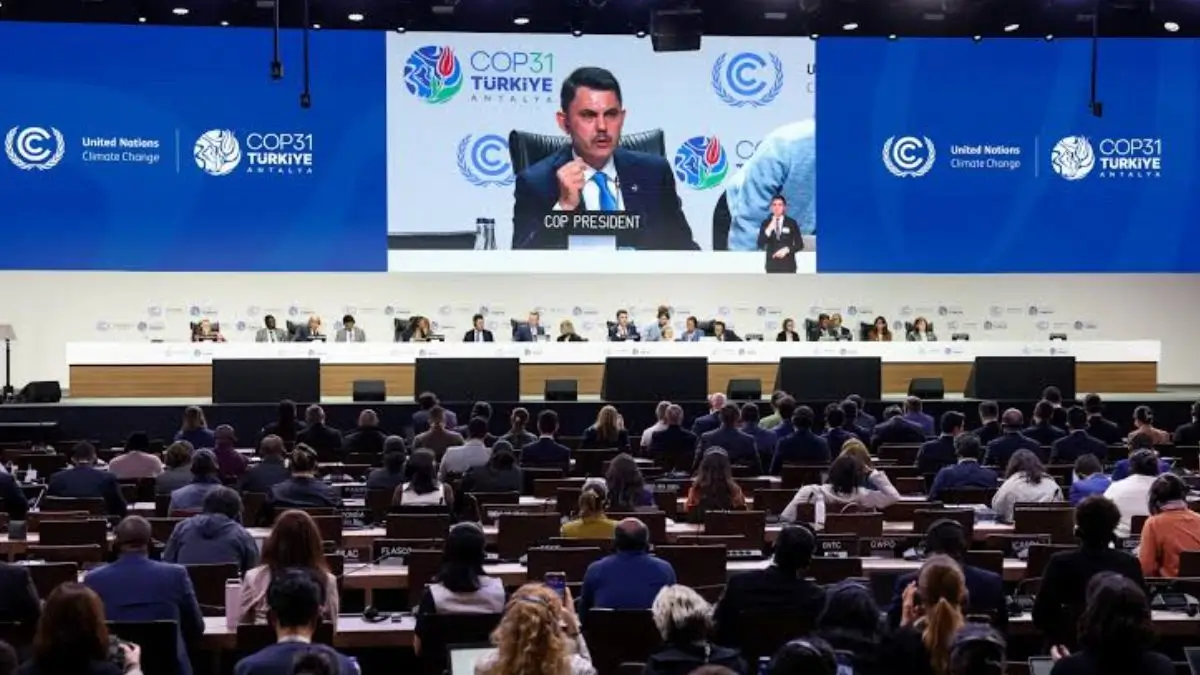
COP31 2026 Ends Without Agreement Over Fossil Fuels: Key Highlights

There was no overall agreement reached at COP31. Countries could not agree on whether fossil fuel sources (coal, oil and natural gas) should be included in the outcome document. The European Union and vulnerable countries did not agree with the outcome document as fossil fuels were not explicitly mentioned. However, oil-producing countries (including Saudi Arabia and Russia) did not agree with the inclusion of fossil fuels. Disagreements arose on climate funding and carbon capture.

Key Details About COP31 Outcome

  • COP number: 31 (UN Climate Change Conference)
  • Date: 9th – 22nd November 2026
  • Location: Antalya, Turkey
  • Host Country: Turkey
  • Chair: Murat Kurum
  • Chair Negotiations: Chris Bowen (Australia)
  • Key Issue: Dispute Over Fossil Fuels
  • Overall Outcome: No overall agreement.
  • Next COP: COP32 (Ethopia) 2027

The COP ran for two extra days (9 th – 22 nd November) as consensus could not be reached. This means it was the longest ever UN climate meeting.

Reasons for Failure

  • Disagreement over fossil fuels: The European Union and vulnerable countries did not agree with the outcome document as fossil fuels were not explicitly mentioned, and there was no clear direction given on how countries should phase out coal, oil and gas.
  • Saudi Arabia and other oil-producing countries (including Russia) did not agree with the inclusion of fossil fuels in the outcome document.
  • Climate Funding: Developing countries were concerned that there was insufficient funding for adaptation to climate change.
  • Carbon Capture Technologies: There was support for the increased use of carbon capture and storage. Some people believed this was an appropriate solution to climate change, whilst others felt that it may mean fossil fuels can still be used, and therefore slow the transition to renewable energy sources.

Representatives from Europe commented that the deal not mentioning fossil fuels was not enough to sufficiently tackle the climate crisis. As consensus could not be reached on the final proposed deal, no overall agreement was reached.

Reasons for Fossil Fuel Dispute

Fossil fuels are coal, petroleum and natural gas. Burning fossil fuels causes emissions of greenhouse gases (particularly CO 2 ), contributing to global heating.

At COP28, held in Dubai in 2023, countries agreed to move to phase out fossil fuels. However in later climate conferences, fossil fuels were not explicitly mentioned.

At COP31, there was disagreement over whether the commitment to phase out fossil fuels should be strengthened in the new outcome document.

This reflects differing views between countries who wish to rapidly move to renewable energy sources, and those who prioritize energy security, economic interest or other technologies such as carbon capture and storage.

Other Proposals

Despite no overall agreement at COP31, there was a range of proposals discussed,

  • Increasing electricity: A target was set to increase the share of electricity in global final energy consumption to 35% by 2035.
  • Carbon capture and storage: Expansion of technologies that capture CO 2 emissions and store them.
  • Funding for adaptation to climate change: Developing countries wanted clearer commitments, and funding to prepare for climate change.
  • Just Transition: Progress was also made on decisions to ensure a fair transition to a low-carbon economy.

Although key decisions from the presidency were not agreed upon, progress was made on certain issues within COP31, such as just transition. This was said by UN climate change Executive Secretary Simon Stiell.

Significance of the COP31 Failure

The failure demonstrates challenges in reaching global consensus regarding climate action due to differing energy needs and economic priorities.

It raises concerns regarding the effectiveness of reaching consensus within the United Nations on climate change.

This means that if countries cannot agree on key decisions, individuals or groups of countries can block consensus.

The failure occurred at a time of increasing concern that global warming will exceed 1.5 degrees, as aimed for in the Paris Agreement.

UN Secretary-General António Guterres was disappointed with the outcome and has called for quicker emission cuts, increased climate funding and a fair transition from fossil fuels.

Lonar Lake Recognised Among Third 100 IUGS Geological Heritage Sites

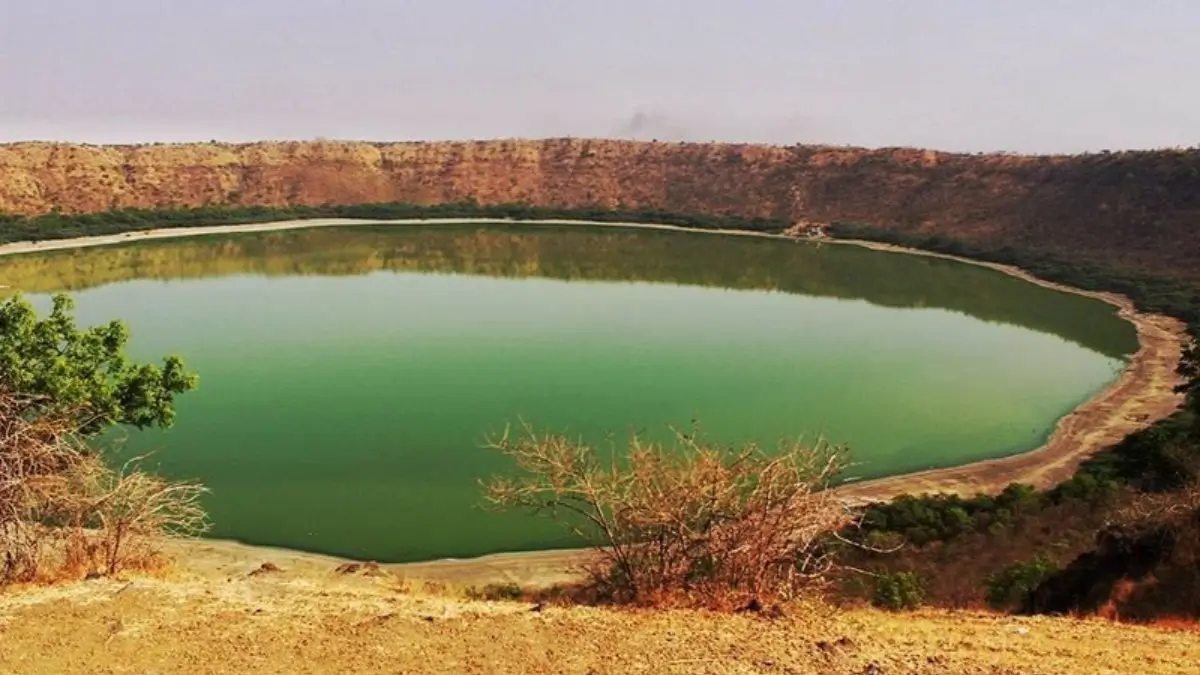
Lonar Lake, Buldhana District, Maharashtra has been included in the Third 100 List of IUGS Geological Heritage Sites. This highlights the unique geological significance of the 12,000 year-old impact crater. The site was nominated by the Geological Survey of India (GSI). This impact crater is one of the few impact structures in basalt on Earth.

What are the IUGS Geological Heritage sites?

Sites across the world with significant geology have been identified as Geological Heritage sites by the International Union of Geological Sciences (IUGS).

These sites have great scientific significance. The initiative encourages global collaboration within earth sciences.

Three lists have been released so far,

List Year Location
First 100 2022 Zumaia, Spain
Second 100 2024 37th International Geological Congress, Busan, South Korea
Third 100 2026 Internationally recognised in 2026.

The Third 100 sites are located in 47 different countries.

Lonar Lake

Location: Maharashtra, Buldhana District.

Lonar Lake is an impact crater created by meteorite impacts approximately 12,000 years ago. It is one of the youngest and most intact bowl-shaped, super-high-velocity impact structures on Earth.

  • Location: Maharashtra, Buldhana District
  • Formation: Meteorite impact
  • Age: ~12,000 years
  • Diameter: 1.88km
  • Location within larger geological feature: Deccan Traps
  • Type of lake: Saline Alkaline
  • Nominated by: The Geological Survey of India.

Significance of the Inclusion

This site is of particular geological significance as it is one of only 5 super high-velocity impact craters in basalt, on Earth.

Within the site there are many features indicating the meteorite impact. These include,

  • Exposed basalt layers on the sides of the crater.
  • Broken up rock layers below the surface.
  • Outwardly dipping rock layers.
  • Mounds of debris and widespread ejecta.

Impactites, including impact glass, spherules, and melt rock. Understanding the physical and geochemical processes caused by high-velocity meteorite impacts can be investigated by scientists using these features.

Relationship with Deccan Traps

The Lonar Crater is found within a large geological feature called the Deccan Traps, which formed around 65 million years ago.

They stretch across large portions of West and Central India.

Lonar is unusual as it was created when a meteorite hit the basalt rock of the Deccan Traps. This has created a well-preserved impact crater. Within the centre of the crater is a saline and alkaline lake, giving the location unique geological and ecological characteristics.

Role of GSI

The Geological Survey of India (GSI) have nominated Lonar Lake into this list to raise awareness and preserve geological heritage in India.

This designation increases awareness of the site globally. It emphasises how important the site is for research, education and preservation of geological features.

Locations in the Third 100 List

The 100 sites in the third list are located in 47 different countries.

Region Number of Sites
Europe 34
Americas 22
Asia Pacific 22
Africa 11
Middle East 6
High Seas 3
Antarctica 2
Total 100

Other internationally recognised sites in this list are Mount Fuji (Japan), Fjords (Norway), San Andreas Fault (USA), Mount Aconcagua (Argentina), and Chocolate Hills (Philippines).

The-Hindu-October-2026-Current-Affairs-Cover

Monthly Current Affairs

November 2026
M T W T F S S
 1
2345678
9101112131415
16171819202122
23242526272829
30