Sanjukta Parashar Becomes First Woman to Lead CRPF CoBRA

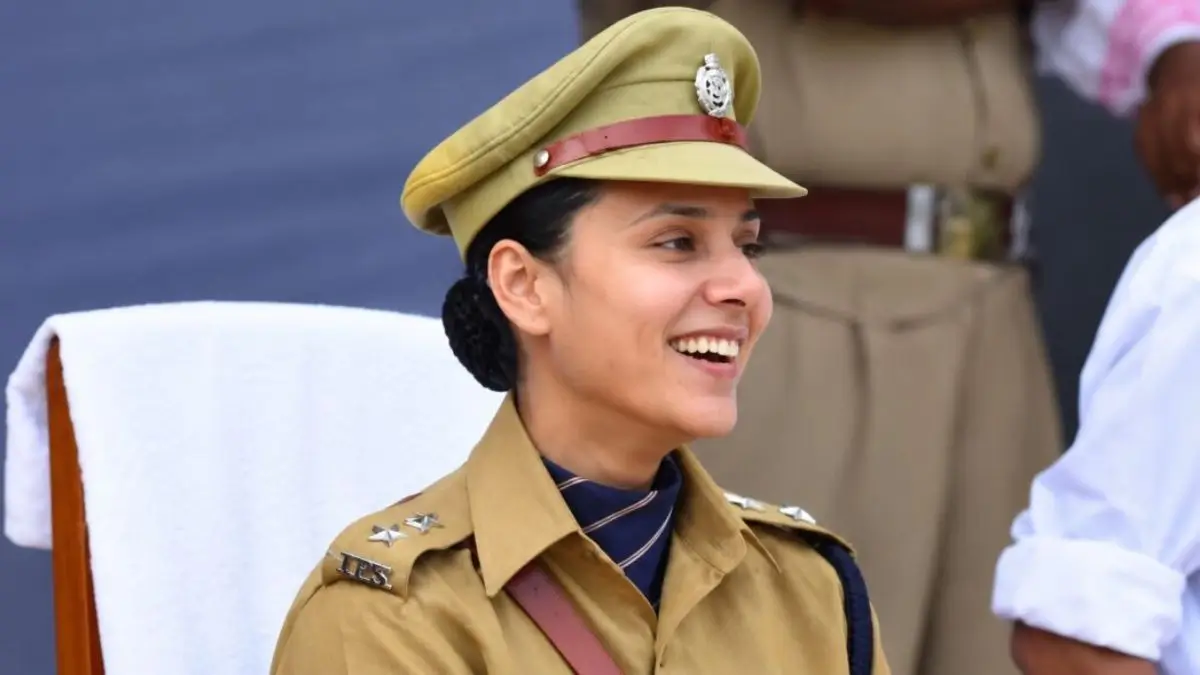
Sanjukta Parashar, IPS officer, is now the first-ever female IPS officer to head CRPF’s Commando Battalion for Resolute Action (CoBRA), which is an elite jungle warfare force. As a member of the 2006-batch of IPS officers with Assam-Meghalaya cadre, Parashar has been posted in the Assam Police as well as in the National Investigation Agency (NIA). She has led some of the counter-terrorism operations for NIA. Prior to the current posting, Parashar has been in charge of the CID wing of Assam Police.

Why Sanjukta Parashar is Referred to as the ‘Iron Lady of Assam’

The term ‘Iron Lady of Assam’ came into existence because of Parashar’s involvement in the counter-operations against the National Democratic Front of Bodoland (NDFB). As Sonitpur Superintendent of Police in 2013-14, Parashar led an operation against the militant group.

The operation led to the killing of 16 militants while another 64 were arrested in the process, says the report. An image of Parashar taking part in the operations with AK-47 gun is linked to the iron lady image of Parashar. In addition, Parashar received death threats from Bodo militants following the operations.

Previously, as an assistant commandant, she has been handling operations between Bodos and groups described in the report as illegal Bangladeshi immigrants.

Functions of CoBRA

CoBRA stands for CoBRA, which is a specialised unit of CRPF soldiers trained to fight in the jungles against insurgency attacks. The members of the force are currently operating in the vast jungle areas in Chhattisgarh and Jharkhand that have been freed of Naxal influence.

CoBRA forces are also working in Manipur, where violence continues to prevail due to ethnic conflict.

Women’s Rise in CRPF Command Positions

Parashar’s promotion is one of the many instances of the CRPF’s increasing use of women officers in senior ranks, including tough operational areas.

Other women IPS officers include IGs for other CRPF divisions. Vijaya Laxmi serves as IG in the Jammu sector, Nitu D Bhattacharya serves as IG in the Madhya Pradesh sector, Kavita Jalan serves as IG of the North East sector, and Archana Shivhare is the IG of the Rajasthan sector.

The Rapid Action Force (RAF) is headed by Seema Dhundia, who was part of the first batch of women officers in the CRPF in 1987.
Gujarat Child Protection Policy 2026: Key Features Explained

The Gujarat State Child Protection Policy 2026 is being introduced to provide additional protection to children and create a safe, dignified and rights-based childhood for all. The policy seeks to protect children from violence, exploitation, abuse, neglect, and discrimination while providing them with education, healthcare and holistic development. This policy also ensures greater voice for children. The framework lays down certain responsibilities on institutions working directly with children and measures to be taken in schools, healthcare, care institutions, workplaces, public areas and cyber world.

What Is Gujarat Child Protection Policy 2026?

The policy strives to create a conducive environment in which children can grow up and become what they are destined to become without any discrimination at all.

The policy is built on a philosophy of zero tolerance towards child abuse and exploitation and seeks to create stronger child protection systems in various contexts. The policy also ensures that children get equal access to child protection services regardless of religion, caste, gender, socio-economic status, culture and political affiliation and geographical location.

The policy proposed by the Gujarat state was similar in providing a rights-based framework for government and non-government departments, statutory bodies, NGOs, institutions, and individuals interacting with children.

Training and Code of Conduct for Institutions

Institutions which come into direct contact with children shall provide training to its employees on issues related to rights of children, POCSO Act, Juvenile Justice Act as well as other laws as may be required.

A code of conduct will be prescribed for institutions and its employees, and it will be strict in dealing with issues like,

  • Humiliating and harassing
  • Discriminating behavior
  • Sexual misconduct
  • Any other behavior that affects the safety of children

The non-compliance with the policy will result in actions being taken against the institution/individual concerned.

The POCSO Act already has provisions to safeguard the children under 18 years from sexual offenses, including mandatory reporting and child friendly procedures.

Vulnerable Children

The policy is particularly focused on those children whose needs for protection may be greater than the average. They include the children,

  • Need for care and protection
  • In conflict with law
  • With disabilities
  • Migrants or orphaned children
  • From Scheduled Castes/Tribes
  • From disadvantaged communities
  • Human trafficking victims
  • Children living on the streets
  • Children in institutions or in alternative care

Child Safety on Digital Platforms

Child safety on digital platforms is yet another critical component of the policy. The policy aims at enhancing protection from various risks associated with internet, social media and technology.

This strategy fits in well with existing child protection structures in the country. The government officials have recognized online child sexual abuse and exploitation as a critical challenge that requires joint efforts from child protection, law enforcement and digital technology domains.

Why Is This Policy Relevant?

The present policy incorporates child safety, rights, development and institutional accountability under one umbrella of the state-level policy.

In addition to this, the approach of this policy matches with India’s larger child protection system. The Juvenile Justice (Care and Protection of Children) Act, 2015 offers statutory structures such as Child Welfare Committee, Juvenile Justice Board and District Child Protection Unit for children in need of care and protection.

Kishau Dam Project Clears 8-Year Hurdle as Six States Sign MoU

The Kishau Dam project has now cleared a key roadblock after Himachal Pradesh, Haryana, Delhi, Rajasthan, Uttar Pradesh and Uttarakhand entered into a Memorandum of Understanding (MoU) with the Centre on September 15, 2026. The ₹15,624 crore multipurpose project on the Tons River was stuck for almost eight years due to inter-state coordination and financial issues. After completion, the 660 MW project will serve irrigation, potable and industrial water, electricity generation and flow augmentation to the Yamuna.

What Is the Kishau Dam Project?

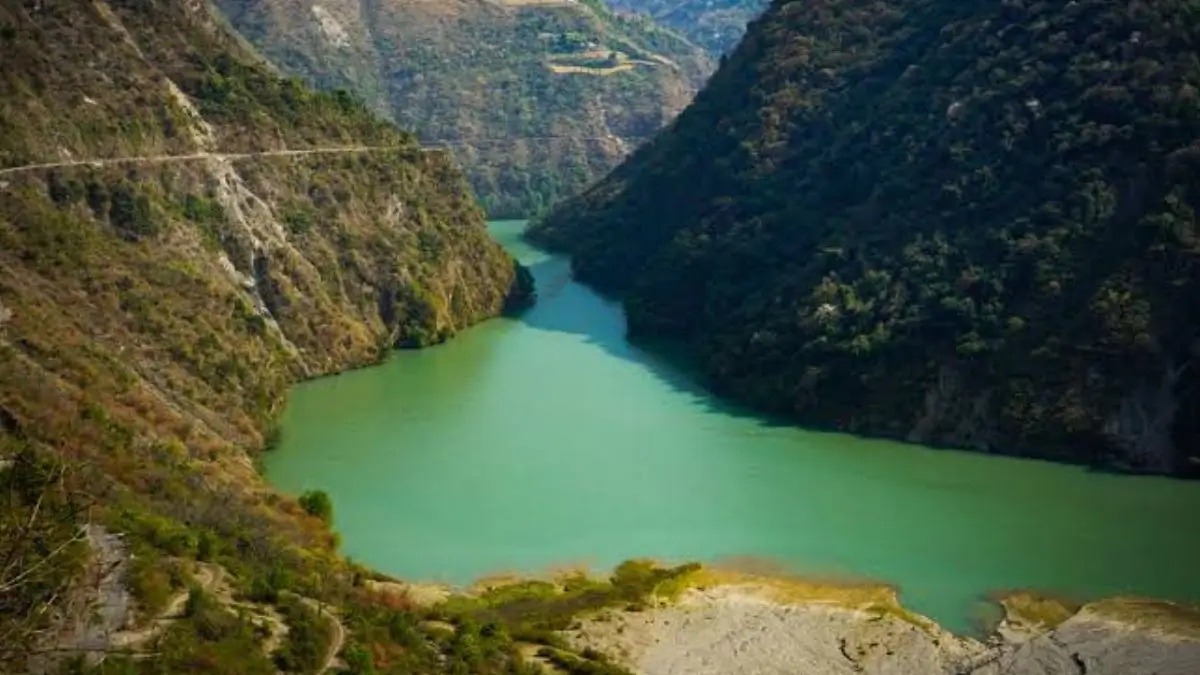
The Kishau Dam is proposed to be constructed on the Tons River, which is a tributary of the Yamuna, in the border area of Himachal Pradesh and Uttarakhand. It is being constructed by Kishau Corporation Limited, a joint venture of Himachal Pradesh and Uttarakhand.

The proposed project involves construction of a 232.6 metre high concrete gravity dam with a live storage capacity of 1,562 MCM.

It is a multipurpose water and power project.

Why Was the Project Delayed?

There were certain problems related to inter-state coordination and financial sharing which led to a delay in the project for about eight years.

Financial aspect was one of the major reasons for the delay in the case of Himachal Pradesh, which claimed that the state should not be subjected to extra financial stress in spite of facing certain adverse effects due to the project.

Under the new plan, the Centre would share 90 percent of the cost involved in the water component. The Chief Minister of Himachal Pradesh, Sukhvinder Singh Sukhu informed that the approximate ₹2,000 crore power component of his state would be shared by the beneficiary states from the water component, namely Delhi, Rajasthan and Haryana.

Important Advantages of Kishau Dam

This project is supposed to have irrigation potential for nearly one lakh hectares of agriculture fields. The project will also enhance drinking and industrial water supplies especially for Delhi and Rajasthan.

The reservoir would ensure future water security of Delhi and also supply extra water for the use of drinking and industrial purposes in Rajasthan.

There are other important environmental aspects as well for the project. The increased water flow would help to rejuvenate Yamuna.

How much power will be generated by Kishau Dam?

This 660 MW power plant will produce approximately 1,476 million units of electricity per year.

Himachal Pradesh will get approximately 1,000 million units of electricity per year through the completion of this project. According to Chief Minister Sukhu, this is likely to earn over ₹1,000 crore every year.

Vasundhara Doraswamy to Receive Excellence Award 2026

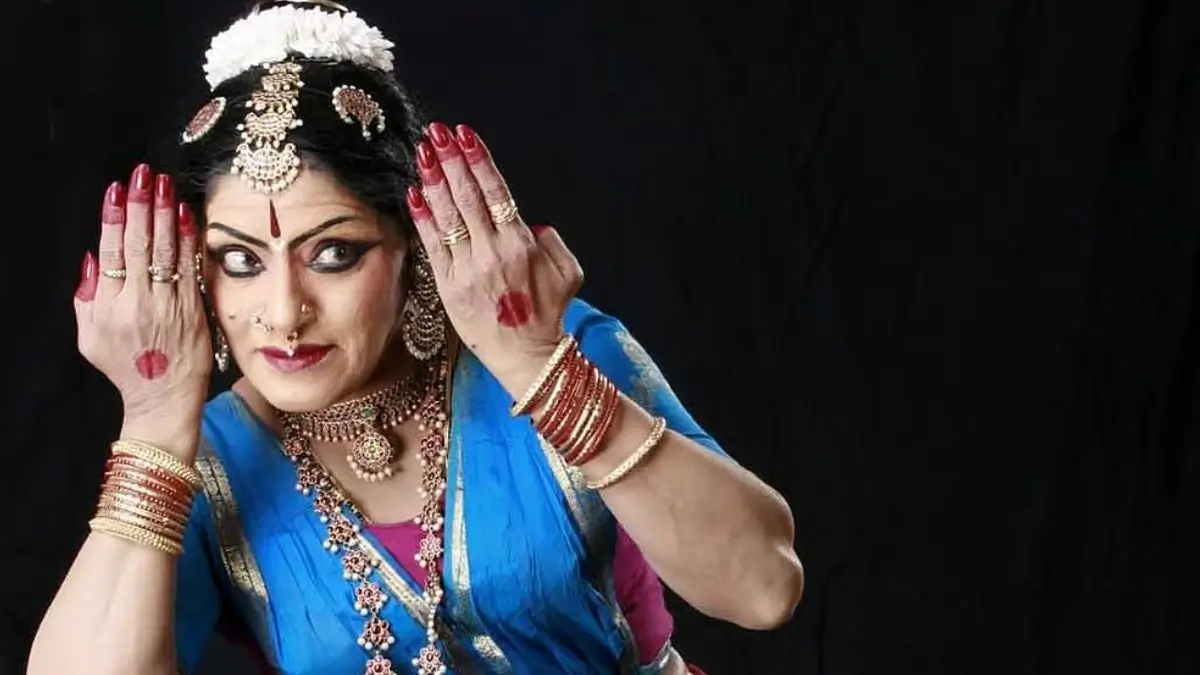
Prominent Bharatanatyam performer, choreographer, and researcher Dr Vasundhara Doraswamy will receive the Padmabhushan Guru Dr Saroja Vaidyanathan Excellence Award 2026. The Nataraj Music & Dance Academy (NMDA) will give the prize at the Vysakhi Nrithyotsav Indian Dance Festival at Visakhapatnam on September 26-27. Dr Doraswamy who is based out of Mysore, has been performing, studying, and teaching Bharatanatyam for over fifty years. She is famous for her unique work relating Bharatanatyam with Ashtanga Vinyasa Yoga in India as well as abroad.

Who Is Vasundhara Doraswamy?

Dr Vasundhara Doraswamy is a well-known Bharatanatyam dancer, choreographer, and scholar hailing from Mysore. She has had a career spanning over five decades during which she performed internationally and was involved in research and teaching of Indian classical dance.

She is especially popular for her work related to Bharatanatyam and Ashtanga Vinyasa Yoga.

Bharatanatyam & Yoga Connection

Doraswamy was trained by Pattabhi Jois, who is considered to be a celebrated yoga teacher and has undertaken doctoral studies on the connection between yoga and Bharatanatyam.

In this way, Doraswamy’s research has revealed that there could be a connection between practices in yoga and the physical training of Bharatanatyam.

It is one of the significant elements of her art and research contribution.

Choreographies and Awards

Doraswamy has choreographed several acclaimed solo performances, such as Panchali, Ganga Lahari and Sama Veda.

Her contributions in the field of Indian classical dance have been honored with various awards, including,

  • Sangeet Natak Akademi Award
  • Shantala Award
  • Honorary Citizenship of Louisville, Kentucky

Indian dance has also been represented by Doraswamy at international levels through UNESCO World Peace Conference held in Paris.

Vysakhi Nrithyotsav 2026

The award will be given out at the yearly Vysakhi Nrithyotsav event hosted by NMDA in Visakhapatnam.

The main objective of this event is to propagate the art form of Indian classical dance and pay tribute to artistes who have contributed to Indian classical dance. Doraswamy is continuing to train dancers all around the world and carrying forward her legacy of dancing to newer generations.

About Nataraj Music & Dance Academy

The Nataraj Music & Dance Academy (NMDA) was established by BR Vikram Kumar (Vikram Goud Bathina). This organization has been ISO 9001:2015 certified and is an associate of the International Dance Council, UNESCO.

This academy is working through events like Vysakhi Nrithyotsav to create a platform for Indian classical dance and honor the established artistes.

UPI Transactions Above ₹2,000: All You Need To Know About the New MDR Structure

In the newly proposed structure, person-to-person payments will continue to be made without any charges, irrespective of the sum being transferred. Merchant payments up to ₹2,000 will also continue to be made free of cost, whereas transactions above ₹2,000 involving specific merchants will incur a nominal Merchant Discount Rate (MDR). This will facilitate the sustenance of the UPI structure in a cost-free manner for individuals, small merchants and critical services.

What Will Continue to be Free of Charge Under the UPI Scheme?

P2P Transactions Using UPI

All P2P transactions using UPI will continue to be free of charge without any cap on the transfer value. No transaction charges will be applied for transferring money either ways through UPI.

Around 70% of UPI transaction value consists of P2P transactions that fall out of the scope of the MDR scheme.

Payments By customers to Merchants worth ₹2,000

All transactions up to ₹2,000 made by customers to merchants using UPI will continue to be free of MDR.

Receipts of Payments by Small merchants

Merchants who receive payment up to ₹1 lakh per month using UPI QR codes and fall under P2PM category will continue to enjoy zero MDR facility in their transactions.

UPI Transactions Subject To MDR

Transactions involving specified P2M exceeding ₹2,000 shall be subject to a MDR of 0.4%. This shall be shared amongst the participants in the payment ecosystem such as banks and other UPI applications.

Where the value of the transaction is ₹75,000 or above, the MDR will be capped at ₹300 per transaction.

Transaction type  MDR applicable
P2P transactions MDR Not Applicable
P2M transactions up to ₹2,000 MDR Not Applicable
Specified P2M transactions exceeding ₹2,000 MDR of 0.4%
Transactions ₹75,000 or above MDR capped at ₹300
Essential sectors above ₹2,000 MDR of ₹5 per transaction
Capital market transactions MDR of 0.02%,

Essential Sectors

The transactions that are above ₹2,000 in the essential and thin-margin sectors like railways, telecoms, insurance, fuels, and agricultural inputs shall be eligible for the flat MDR of ₹5 per transaction.

Capital Market Transactions

Transactions involving mutual funds, securities, stockbrokers and dealers shall have an MDR of 0.02% subject to a ceiling of ₹300 per transaction.

Will MDR Apply To Customers?

Not really. It is a charge in the merchant payments ecosystem and is not payable by customers.

The customers have been warned by the banks that merchants should not pass on any MDR cost to them. The UPI apps are also not allowed to levy any charges to individuals.

Individually, individuals would continue to enjoy unlimited free use of the UPI without having any monthly transaction ceilings or tiers.

Transaction limits per day imposed by banks and NPCI are security/risk management measures and not a charging ceiling.

About 96% of Merchant Transactions to be Left Unaffected

As per the analysis of data under the framework, MDR will be applicable to only 4% of merchant transactions. About 96% of the P2M transactions will thus be left unaffected since they fall either below ₹2,000 or are under the zero-MDR framework for small merchants.

This framework has distinguished between large merchant transactions and individual/small business payments.

Dedicated Fund for Small Merchants

In addition, there is a provision in the framework for a dedicated fund to promote UPI amongst small merchants. The contribution to the fund will be an amount equal to 5% of total MDR collections.

The fund will enable wider acceptance of UPI, continued use, and increased participation of small merchants in the digital payments ecosystem of India.

Why Was This New Framework for UPI Introduced?

This framework has been introduced based on the provisions in the Payment and Settlement Systems Act, 2007, after discussions of the UPI Steering Committee on MDR rates, operational processes and consumer protection issues.

It has been said that the aim of this new framework is to ensure sustainability in the case of UPI and to keep the cost of individual transactions at nil and protect the small merchants from any extra burden. The income generated through selected merchant transactions will benefit all payment stakeholders.

Yudh Abhyas 2026 Begins With India-US Armies in Uttarakhand

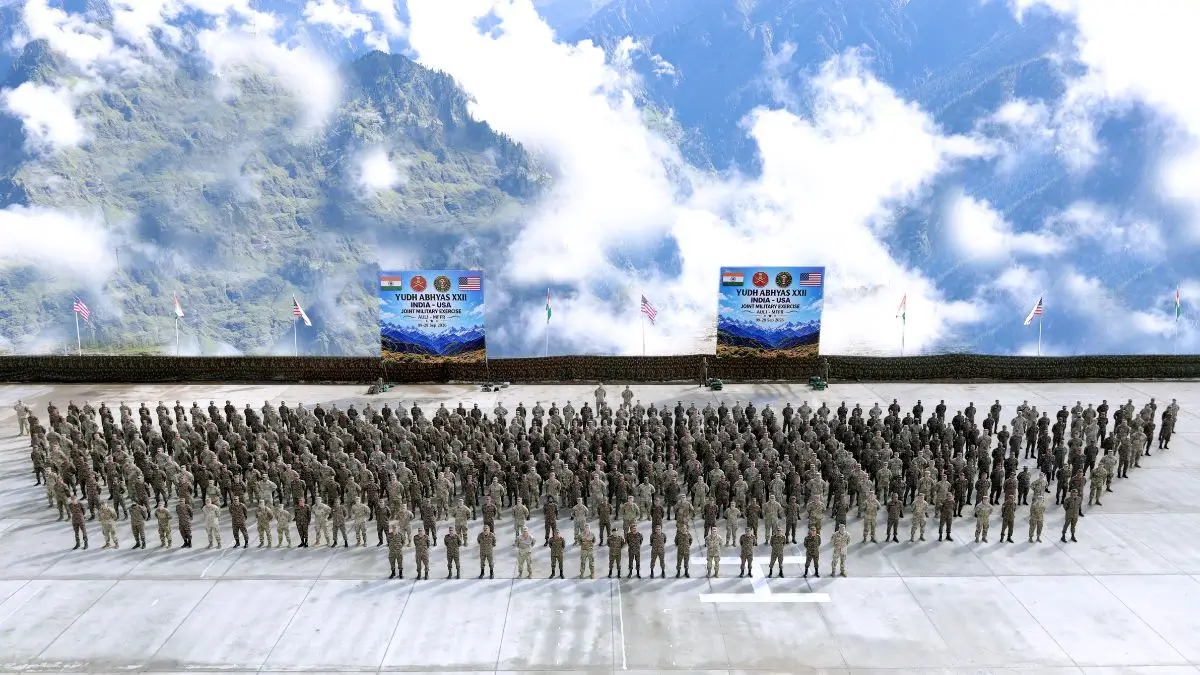
India-US Joint Military Exercise Yudh Abhyas 2026 commenced on September 15th, 2026, the inauguration ceremony was organized at the Auli Foreign Training Node in the state of Uttarakhand. The joint military exercise is taking place concurrently at Auli in Uttarakhand and Mahajan Field Firing Range in Rajasthan, involving 600 personnel from each country. The theme of this year’s drill will revolve around improving the capabilities of both countries’ militaries to perform operations in mountainous and semi-mountainous areas. The technological dimension of the exercise will be significant.

Yudh Abhyas 2026: Details

Yudh Abhyas is an exercise aimed at improving the cooperation and interoperability between the armed forces of India and the US.

This edition of the joint military exercise involves 600 personnel from each country. The opening ceremony of the exercise was attended by Major General Amaresh Gunjan, GOC 14 Infantry Division, and Colonel Benjamin Jackman, Commander, 1st Infantry Brigade Combat Team, 11th Airborne Division, US Army.

Yudh Abhyas 2026 is taking place at the following sites,

  • Auli Foreign Training Node, Uttarakhand
  • Mahajan Field Firing Range, Rajasthan

Mountain and Semi-Mountainous Operations

One of the aims of Yudh Abhyas 2026 will be joint capabilities to operate Integrated Battle Groups in mountainous and semi-mountainous terrains.

This training is very much focused on infantry-dominated operations, where both armies’ troops need to coordinate in terms of tactics and execution of plans in tough conditions.

Yudh Abhyas 2026 will give an opportunity to exchange experiences in the field of operational practices and planning.

Drones and Autonomous Systems in Focus

Technological infusion is another distinctive feature of the current exercise.

Drones and autonomous systems will be used for the purpose of surveillance and reconnaissance during the training. The troops participating in the exercise will demonstrate modern weapons at the Mahajan Field Firing Range.

The Subject Matter Experts from the Indian and American armies will discuss the latest technological trends in multi-domain warfare.

World’s Best Performing Banks 2026: HDFC Bank Ranks 3rd, Check Top 10 List

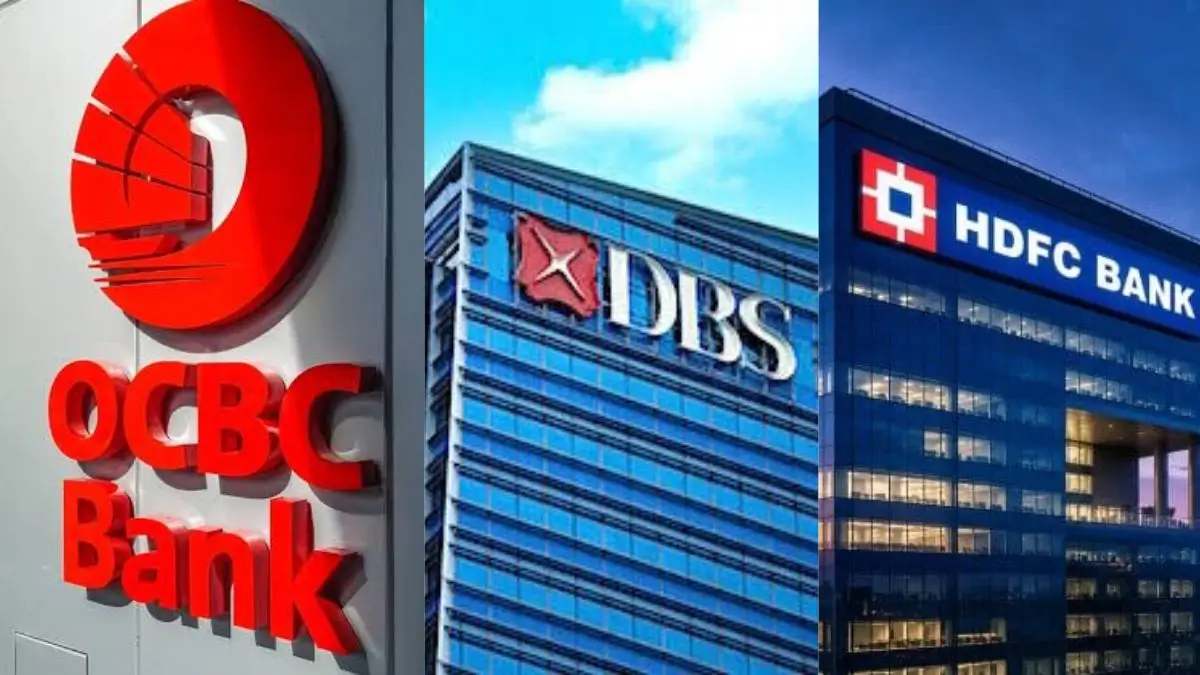
As per the Forbes’ World’s Best Performing Banks 2026 report, India’s HDFC Bank figures among the three best-performing banks across the world. The HDFC Bank is at 3rd position after Singapore’s OCBC and DBS, and it is the only Indian bank to figure among the top 10 banks in the world. The World’s Best Performing Banks 2026 report has been published in collaboration between Forbes and Statista and assesses the performance of the banks based on performance, resiliency, asset quality, efficiency, growth, and earnings quality.

World’s Top 10 Performing Banks in 2026

Rank Bank Country
1 OCBC Singapore
2 DBS Singapore Singapore
3 HDFC Bank India
4 China Merchants Bank China
5 JPMorgan Chase United States
6 Nordea Bank Finland
7 Wells Fargo United States
8 UniCredit Italy
9 PNC Financial Services United States
10 Rabobank Netherlands

Singapore leads the first and second places with OCBC being in the first place and DBS taking the second. The third place belongs to HDFC Bank, whereas the fourth one is taken by China Merchants Bank. There are three banks from the United States that rank in the global top 10 – JPMorgan Chase, Wells Fargo and PNC Financial Services.

HDFC Bank Gets Third Place

The third place secured by HDFC Bank is important for India since it is the only Indian bank that is mentioned in the ranking of the top 10 banks in the world. The ranking shows that this bank occupies this place in the comparison made internationally on the basis of different measures of the performance of banks.

The ranking was done by Forbes in cooperation with Statista with the use of financial data and research. The methodology included the use of objective financial data obtained from such sources as the S&P Capital IQ database and desk research provided by banks to Forbes.com.

According to the source, the figures provided for the top three banks were as follows,

  • OCBC: $525 billion
  • DBS: $698 billion
  • HDFC Bank: $518 billion

The above-mentioned figures constitute part of the ranking and cannot be considered merely as a list according to size of banks.

How Were the Rankings Done?

The ranking of the eligible banks was done based on four major financial criteria, with different weights for each,

  1. Profitability – 30%: Indicates how well a bank makes profits.
  2. Capital and Funding Strength – 25%: Indicates the strength and capability of maintaining financial stability.
  3. Asset and Operational Efficiency – 25%: Indicated the quality of the assets and efficiency of operations.
  4. Growth and Quality of Earnings – 20%: Indicates the growth and quality of earnings.

In order to increase comparability of rankings, eligible banks were grouped according to six groups of asset sizes.

World Ozone Day 2026: Theme, History and Significance

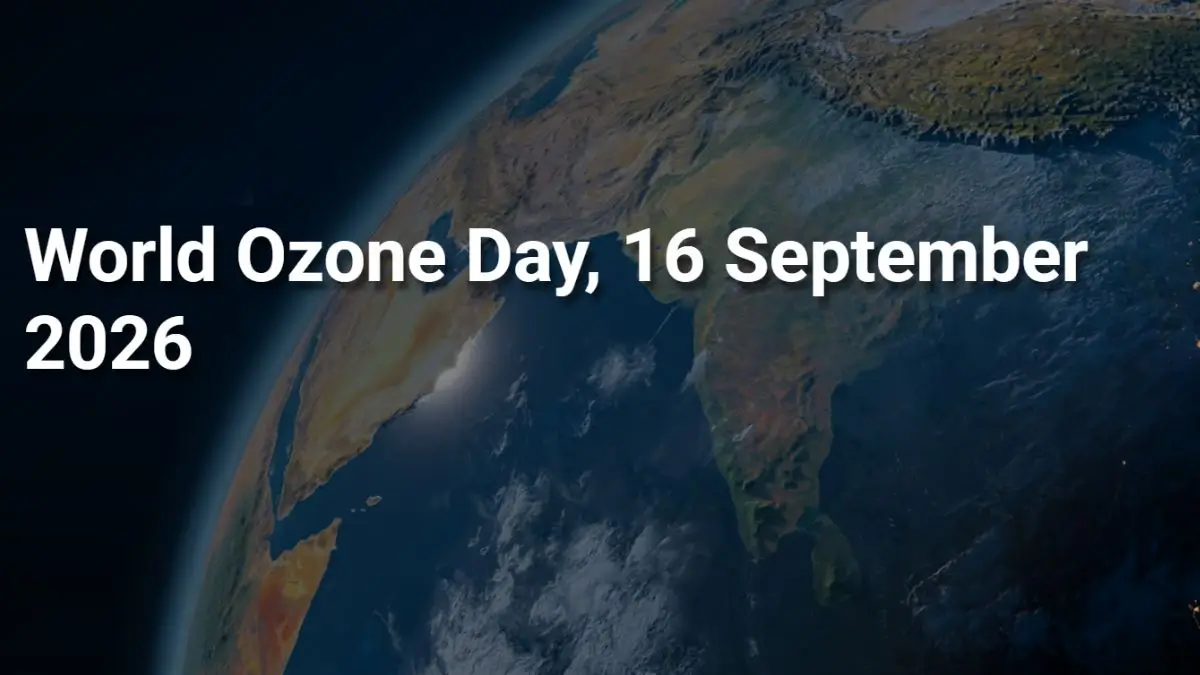
World Ozone Day to be observed today on September 16, and the day is being celebrated to sensitize people about the importance of protecting the ozone layer that provides protection against ultraviolet (UV) rays. The celebration of the day is of great importance this time since it commemorates the 10th anniversary of the Kigali Amendment to the Montreal Protocol that signifies sustainable cooling efforts around the globe. It is also an illustration of the efforts made at international levels for addressing the issue of depletion of the ozone layer through cooperation, scientific research and implementation of environmental policies.

Theme of World Ozone Day 2026

Theme of the World Ozone Day 2026 is,

“Global Action for a Cooler Planet – Celebrating 10 Years of Sustainable Cooling under the Kigali Amendment to the Montreal Protocol.”

The theme is related to the progress that has been made since the Kigali Amendment was adopted in 2016. It aims at cutting down the levels of HFCs which are powerful greenhouse gases.

Why is World Ozone Day Observed?

Ozone acts as a shield that reduces most of the dangerous UV rays coming from the sun. An ozone layer that has been depleted may expose organisms to the dangers of these harmful UV rays.

The observance day is meant to,

  • Educate on the ozone layer protection
  • Inform on the reasons behind ozone depletion
  • Showcase environmental cooperation globally
  • Encourage the sustainable refrigeration solutions
  • Link ozone layer protection and climate change efforts

To the students, the observance day is extensively utilized in undertaking environmental awareness programs such as writing essays, giving speeches, posters and other classroom assignments.

History of World Ozone Day

The international movement for the preservation of the ozone layer has evolved due to a number of large international agreements.

Vienna Convention

  • The Vienna Convention for the Protection of the Ozone Layer has been signed in 1985 and came into effect in 1988. It provides a base for international cooperation in research, monitoring and exchange of information on the impact of human activities on the ozone layer.

Montreal Protocol

  • The Montreal Protocol was signed on September 15, 1987, to regulate and eventually phase out ozone-depleting substances. The protocol regulates about 100 man-made chemicals that cause ozone depletion.
  • Its successful execution has made a considerable contribution to the restoration of the ozone layer, which is expected to recover to its 1980 state on a global scale in the mid-21st century.

What is the Kigali Amendment?

  • The Kigali Amendment was signed in 2016 and became effective in 2019. It includes HFCs in the list of regulated chemicals of the Montreal Protocol.
  • Although HFCs do not deplete the ozone layer, their global warming potential is rather high. Thus, their phasedown is connected with both ozone and climate issues.

India’s Labour Force Participation Rate Rises to 55.6% in August 2026

India’s Labour Force Participation Rate (LFPR) for individuals above 15 years of age has been estimated at 55.6% in August 2026, from 55.4% in July, based on the latest Monthly Bulletin of the Periodic Labour Force Survey (PLFS). This implies higher participation of individuals in the labour force along with increases in Worker Population Ratio (WPR) and decreases in rural unemployment rates. The PLFS is one of the key sources of information on employment and unemployment in India conducted by the National Statistical Office (NSO).

What Does the Latest PLFS Data Reveal?

The total LFPR has seen a rise of 0.2 percentage points between July and August 2026. This has been an increase of 0.6 percentage points when compared with August 2025.

Indicator July 2026 August 2026
General LFPR 55.4% 55.6%
Rural LFPR 58.0% 58.2%
Urban LFPR 50.4% 50.4%
General WPR 52.5% 52.8%
General Unemployment Rate 5.1% 5.0%

The increase was mainly due to rural areas where the LFPR increased to 58.2% whereas in urban areas, it was the same at 50.4%.

Worker Population Ratio Rises to 52.8%

Worker Population Ratio (WPR) refers to the worker ratio out of the entire population. In August, the overall WPR in India rose to 52.8% from 52.5% in July. The figure was the highest since March 2026.

The WPR in rural areas was higher at 55.4% rising to 55.8%, while urban areas had WPR of 47.0%.

On a year-over-year basis, overall WPR went up by 0.6 percentage point from 52.2% in August 2025 to 52.8% in August 2026. Female WPR also went up, to 33.0%, compared to 32.0% in August last year.

Decline in Rural Unemployment Rate

India’s overall unemployment rate (UR) for persons age 15 years and older decreased to 5.0% in August 2026 from 5.1% in July.

The larger change was witnessed in rural areas, where the unemployment rate was reduced from 4.5% to 4.1%, its lowest rate since January 2026. The unemployment rate in urban areas remained constant at 6.8%, compared to 6.7% in July.

Year-on-year unemployment rate in rural areas also decreased from 4.3% in August 2025 to 4.1% in August 202

Unemployment among Men and Women

Both men and women experienced a decrease in unemployment rate in the rural areas.

Overall unemployment among men decreased for the third consecutive month in August to 4.9% from 5.4% in May. Unemployment rate in rural areas among men went down to 4.3%, while in urban areas unemployment rate among men rose to 6.1%.

Among women, unemployment went down to 5.1% in August from 5.9% in June. Unemployment rate among rural women dropped to 3.9%, but urban women unemployment rate remained unchanged.

What is PLFS? Who Conducts PLFS?

Periodic Labour Force Survey (PLFS) is conducted by the National Statistical Office (NSO) under Ministry of Statistics and Programme Implementation (MoSPI).

Monthly PLFS estimates use Current Weekly Status (CWS) methodology to estimate labour force related statistics such as LFPR, WPR and unemployment rates.

The estimates of August 2026 were based on data provided by 3,70,160 people in India. The number of people from rural areas accounted for 2,11,353 people, while 1,58,807 people were from urban areas.

The August bulletin is the 17th monthly bulletin of the ongoing PLFS series. Changes in the methodology of PLFS took place since January 2025 in order to get estimates monthly and quareterly.

UPI Payments Up to ₹2,000 to Remain Free of Bank Charges

UPI payments worth up to ₹2,000 have been specified as charge-free by the government. Banks or payment systems providers will not be allowed to charge fees to customers either for initiating or receiving payments up to ₹2,000. The same provision is applicable for RuPay debit cards where transactions up to ₹2,000 are exempt from fees.

It should be noted that the government issued its clarifications amidst debate on amendments to the Payment and Settlement Systems Act, 2007. It was feared that the end users might end up paying fees for digital transactions in the future.

What Do the New UPI Regulations Provide For?

As per a Finance Ministry’s gazette notification, transactions through UPI up to ₹2,000 have been specifically defined as an “electronic mode of payment.”

Accordingly, neither the banks nor payment systems will be allowed to charge fees on both the payee or payer for such transactions. Also, RuPay debit card transactions up to ₹2,000 come under the exemption.

Would there be Transaction Charges for UPI Users?

As far as consumers are concerned, the government has made it clear that there won’t be any charges associated with the UPI payment mechanism. P2P transactions through UPI will be free of cost.

The government has also confirmed that there won’t be any fixed Merchant Discount Rate (MDR) in place. In case MDR comes into play in future, it would only be applicable to certain transactions after a particular threshold amount.

The government has made it clear that in such a scenario, the MDR associated with the UPI transaction will also be much lower compared to the standard MDR of debit and credit cards.

Importance of this Clarification

UPI has emerged as one of the most popular digital payment mechanisms in India. Maintaining it free of cost for small value transactions would allow consumers and small businesses to continue using this payment option without incurring extra charges on the transaction.

This clarification is important due to the changes in the Payment and Settlement Systems Act, 2007.

_12.1
September 2026
M T W T F S S
 123456
78910111213
14151617181920
21222324252627
282930