
UPI payments worth up to ₹2,000 have been specified as charge-free by the government. Banks or payment systems providers will not be allowed to charge fees to customers either for initiating or receiving payments up to ₹2,000. The same provision is applicable for RuPay debit cards where transactions up to ₹2,000 are exempt from fees.
It should be noted that the government issued its clarifications amidst debate on amendments to the Payment and Settlement Systems Act, 2007. It was feared that the end users might end up paying fees for digital transactions in the future.
What Do the New UPI Regulations Provide For?
As per a Finance Ministry’s gazette notification, transactions through UPI up to ₹2,000 have been specifically defined as an “electronic mode of payment.”
Accordingly, neither the banks nor payment systems will be allowed to charge fees on both the payee or payer for such transactions. Also, RuPay debit card transactions up to ₹2,000 come under the exemption.
Would there be Transaction Charges for UPI Users?
As far as consumers are concerned, the government has made it clear that there won’t be any charges associated with the UPI payment mechanism. P2P transactions through UPI will be free of cost.
The government has also confirmed that there won’t be any fixed Merchant Discount Rate (MDR) in place. In case MDR comes into play in future, it would only be applicable to certain transactions after a particular threshold amount.
The government has made it clear that in such a scenario, the MDR associated with the UPI transaction will also be much lower compared to the standard MDR of debit and credit cards.
Importance of this Clarification
UPI has emerged as one of the most popular digital payment mechanisms in India. Maintaining it free of cost for small value transactions would allow consumers and small businesses to continue using this payment option without incurring extra charges on the transaction.
This clarification is important due to the changes in the Payment and Settlement Systems Act, 2007.






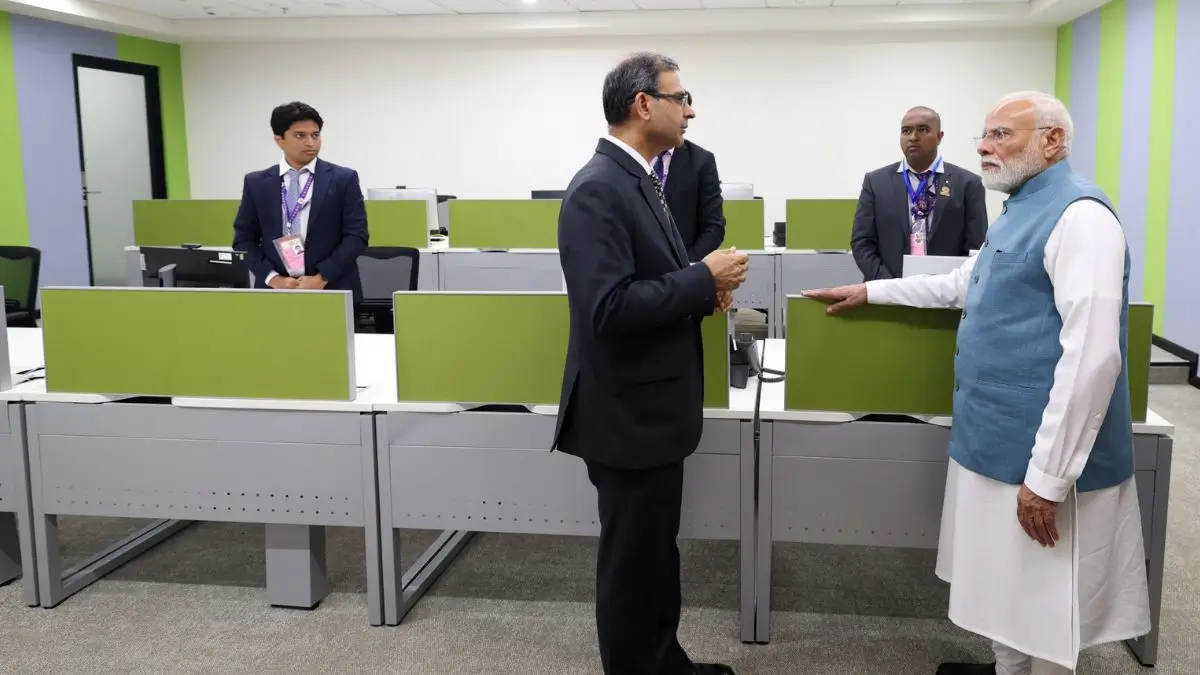 PM Modi Inaugurates RBI Data Centre and ...
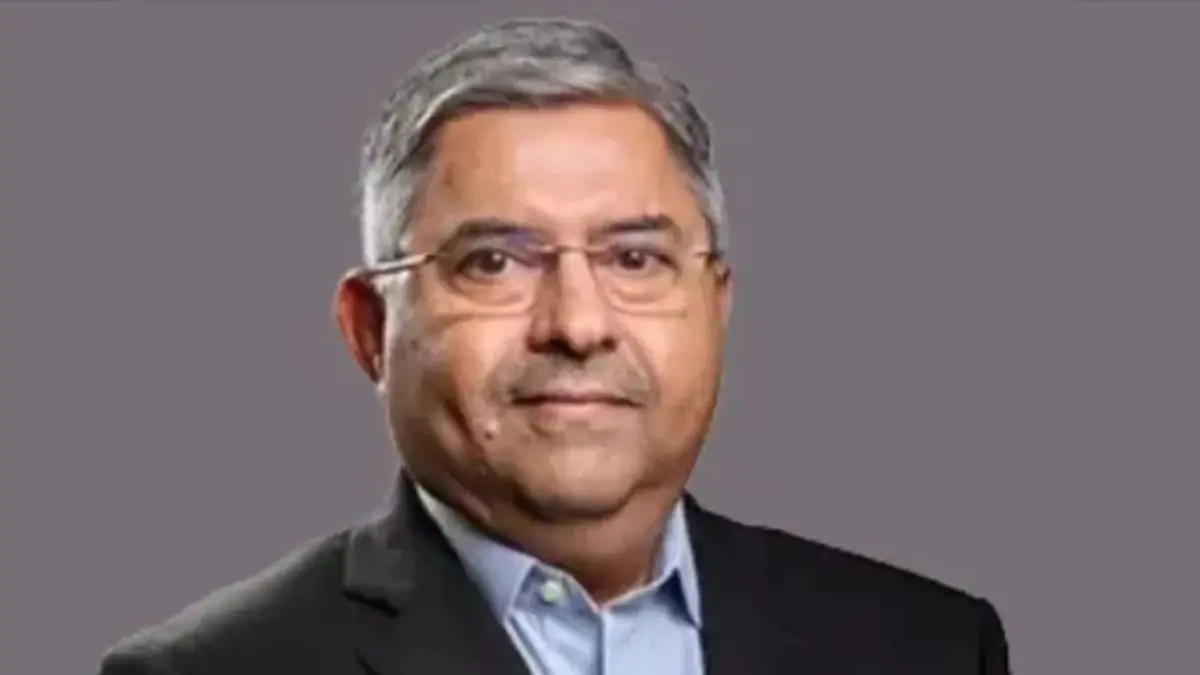 Kaizad Bharucha to Exit HDFC Bank on Dec...
 SCL Das Appointed Chairman of Financial ...