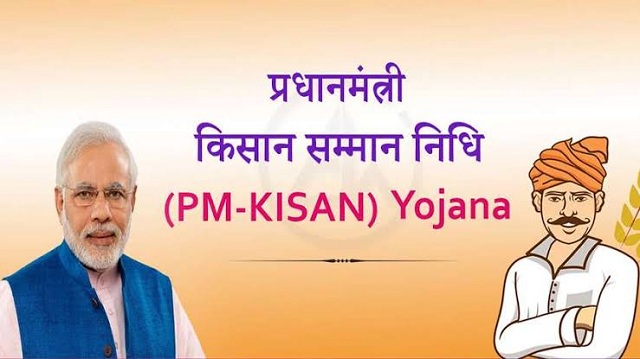
About 11.78 crore farmers as of February 22, 2022, have been benefitted under the PM Kisan scheme. The amount worth Rs1.82 lakh crore have been disbursed to eligible beneficiaries across India in various intervals. During the current Covid 19 epidemic period, Rs. 1.29 lakh crore has been released.
Self-registration Mechanism:
It is the process of self-registration of beneficiaries that has been simplified and made easier through mobile app, PM KISAN portal and walk-ins via Common Service Centers to provide maximum benefit to the farmers.
Enhanced Recovery Mechanism:
In this the recovery process has been made very simple and transparent, with the state not having to submit a Demand Draft or a physical check, in the case of ineligible beneficiaries. The method comprises an automatic transfer beginning with a state nodal department’s account to a central government account, making it incredibly efficient and time-saving.
Grievance Redressal & Helpdesk:
A holistic grievance redressal mechanism has been anticipated to address the issues and problems faced by the beneficiaries, which includes the establishment of a central Project Management Unit of PM KisanSammanNidhiYojana at the Centre which is responsible for the all-inclusive coordination to streamline the processes between all the stakeholders. In order to support the beneficiaries regarding any issues faced at the time of the registration process or any related query, a centralised helpdesk has also been incorporated. About 11.34 lakh farmer problems were received through this initiative, with the respective state authorities addressing more than 10.92 lakh of them.
Physical Verification Module:
According to the scheme’s guidelines, a mandated physical verification of 5% of beneficiaries is conducted every year to ensure the scheme’s legitimacy and legality. The selection of beneficiaries for physical verification has been completely automated with the aid of the Physical Verification Module, and no manual intervention is needed. After the payments for the last trimester on May 14, 2021, a new module has been implemented for the validation of 10% of the recipients.
About the PM Kisan scheme:
PM-KISAN is a centre sectored scheme which was launched on 24th February 2019 to substitute monetary needs of landholding farmers. The monetary benefit of Rs 6000/- per year in three equal instalments, every four-month, 3 times a year, it is transferred into the bank accounts of the families of the farmers across the country through Direct Benefit Transfer or DBT mode. The scheme was in the starting meant for small and marginal farmers having landholding upto 2 hectares but then the scope of the scheme was extended to cover all landholding farmers with effect from 01.06.2019.
Buy Prime Test Series for all Banking, SSC, Insurance & other exams
Find More News Related to Schemes & Committees










 Mission Karmayogi 2026: UP Leads, Home D...
 Nihal Sarin and Koneru Humpy Win Individ...
 LA 2028 Olympic Cricket Qualifiers: Date...