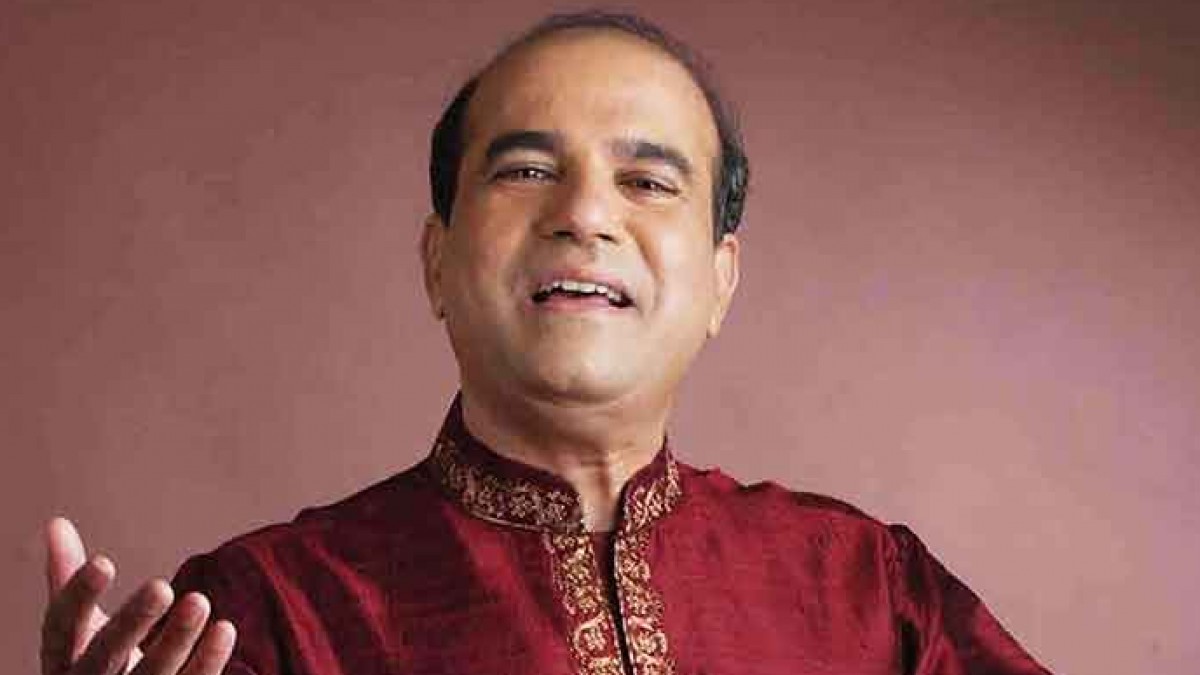
The Maharashtra government has chosen the esteemed playback singer and National Award winner, Suresh Ishwar Wadkar, as the recipient of the prestigious ‘Gansamragini Lata Mangeshkar Award’ for 2023. The announcement was made by Cultural Affairs Minister Sudhir Mungantiwar, recognizing Wadkar’s remarkable contribution to the world of music.
Suresh Wadkar’s selection for the ‘Gansamragini Lata Mangeshkar Award’ is a testament to his exceptional contribution to the music industry. The award not only recognizes his achievements but also underscores the rich cultural heritage and talent within Maharashtra. The ceremony, yet to take place, will celebrate the achievements of these artists who have left an indelible mark on the cultural tapestry of the state.
Profile of Suresh Wadkar:
Suresh Wadkar, a Sangeet Natak Akademi laureate in 2018, aged 68, has been an influential figure in the music industry. Originating from a modest family in Kolhapur, his journey from a wrestler to a music teacher in Mumbai showcases his diverse talents. Wadkar gained recognition by winning a singing competition in 1976, leading to his first playback singing opportunity in 1977 with the late music director Ravindra Jain.
Recognition and Achievements:
Wadkar’s early hits, including “Sona Kare jhilmil jhilmil” (from the film ‘Paheli’) and “Seene Me Jalan” (‘Gaman’), drew attention, with Lata Mangeshkar recommending him to other renowned music composers. His illustrious career spans hits for films like ‘Krodhi,’ ‘Hum Paanch,’ ‘Pyaasa Sawan,’ ‘Prem Rog,’ ‘Henna,’ ‘Prem Granth,’ ‘Ram Teri Ganga Maili,’ ‘Parinda,’ and ‘Sadma,’ among others.
Apart from being a music sensation, Wadkar has been imparting his knowledge by teaching music and has showcased his versatility by singing in various Indian languages and genres.
Recognition by Maharashtra Government:
The ‘Gansamragini Lata Mangeshkar Award’ for 2023 is a recognition of Wadkar’s significant contributions to the world of music. The award includes a cash prize, a commendation, and a memento, to be presented at a ceremony later.
Other Awardees:
In addition to Suresh Wadkar, Cultural Affairs Minister Sudhir Mungantiwar announced several other notable awardees in various categories. The list includes Pandit Ulhas Kashalkar, Pandit Shashikant S. Mulye, Suhasini Deshpande, Ashok Samel, Naina Apte-Joshi, Pandit Makarand Kundle, and more artists, showcasing the diverse talent within the cultural landscape of Maharashtra.








 Smit Machchhar to Receive Vishisht Gujar...
 Nobel Prize 2026: Announcement Dates, Ca...
 Cool Leaders Award 2026: Singapore, UAE ...