The Union government has taken a fresh step to support farmers in Tamil Nadu by setting up a dedicated high-level committee for Farmer Producer Organisations. The decision comes soon after ground-level feedback from farmers highlighted several operational and market-related issues. The move signals a focused effort to improve how FPOs function, earn profits and support small farmers. By addressing governance, marketing and crop-specific challenges, the Centre aims to make FPOs stronger, more sustainable and better connected to markets in Tamil Nadu.
Why the Committee Was Formed?
- The committee was formed after the Union Ministry of Agriculture and Farmers Welfare reviewed concerns raised by farmers and FPO members in Tamil Nadu.
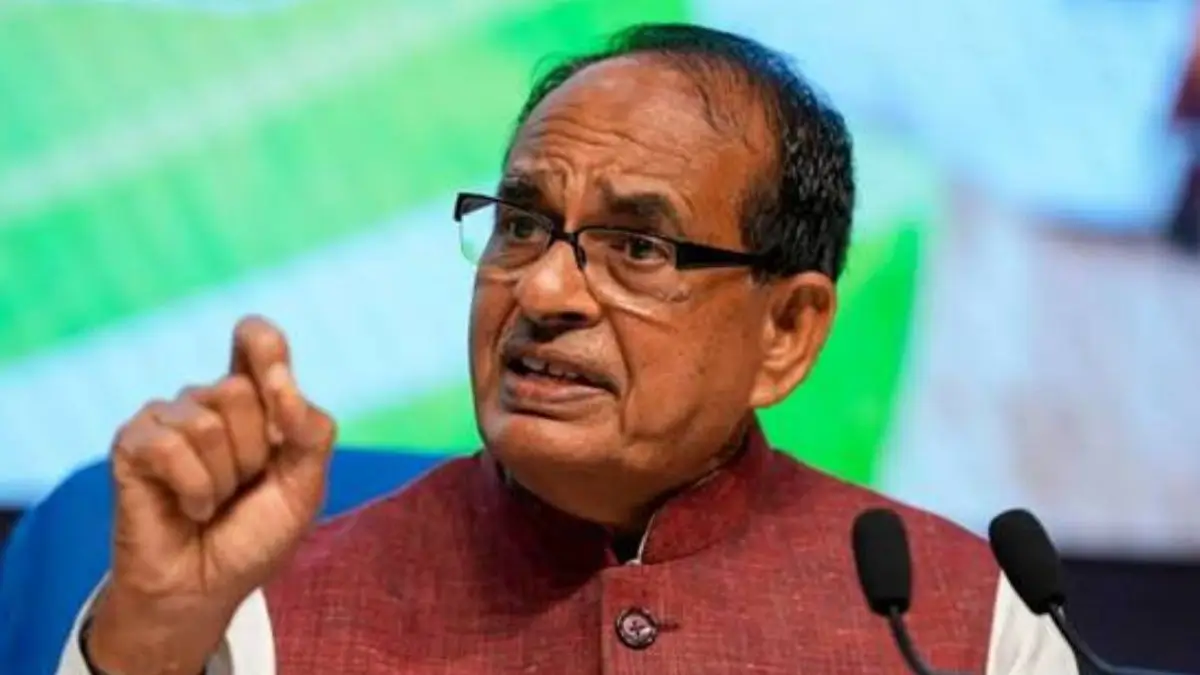
- During a recent visit to Erode, Union Agriculture Minister Shivraj Singh Chouhan interacted with farmers and stakeholders.
- They highlighted problems such as weak management, limited market access, lack of technical guidance and low value addition.
- Acting on these inputs, the Centre decided to study the issues in detail and design practical solutions.
- The committee will focus on fixing gaps rather than adopting a one-size-fits-all approach.
What Issues Will the Committee Examine
- The committee will closely examine how FPOs are functioning on the ground.
- It will review governance structures, management practices and financial sustainability.
- Business operations, technical support, extension services and marketing linkages will be key focus areas.
- The panel will also assess the need for capacity building and long-term hand-holding support.
- Based on its findings, it will recommend improved operational and business models.
- The aim is to help FPOs move beyond basic aggregation and become strong, farmer-owned enterprises that can compete in markets.
Focus on Tamil Nadu’s Key Crops
- Special attention will be given to crops and farming systems that are important for Tamil Nadu.
- These include banana, turmeric, coconut and tapioca, along with natural and organic farming practices.
- The committee will study crop-specific challenges such as storage, processing, price realisation and market volatility.
- By aligning FPO strategies with local crop strengths, the Centre hopes to promote value addition and stable incomes.
- This targeted approach is expected to make FPOs more relevant and profitable for farmers in the state.
Timeline and Expected Outcomes
- The committee has been asked to submit its final report within two months to the Department of Agriculture and Farmers Welfare.
- Its recommendations are expected to guide future policy support and reforms for FPOs in Tamil Nadu.
- The initiative reflects the Centre’s farmer-centric approach, focusing on self-reliant institutions rather than short-term relief.
- If implemented well, the measures could strengthen market integration, reduce farmers’ dependence on middlemen and improve income security across farming communities.
Question
Q. Why has the Centre constituted a high-level committee for FPOs in Tamil Nadu?
A. To merge FPOs with cooperatives
B. To review and strengthen FPO performance
C. To replace state agriculture policies
D. To introduce MSP reforms








 Karnataka Declares September 15 Engineer...
 Kumik Becomes Ladakh’s First Heritage ...
 Gujarat Child Protection Policy 2026: Ke...