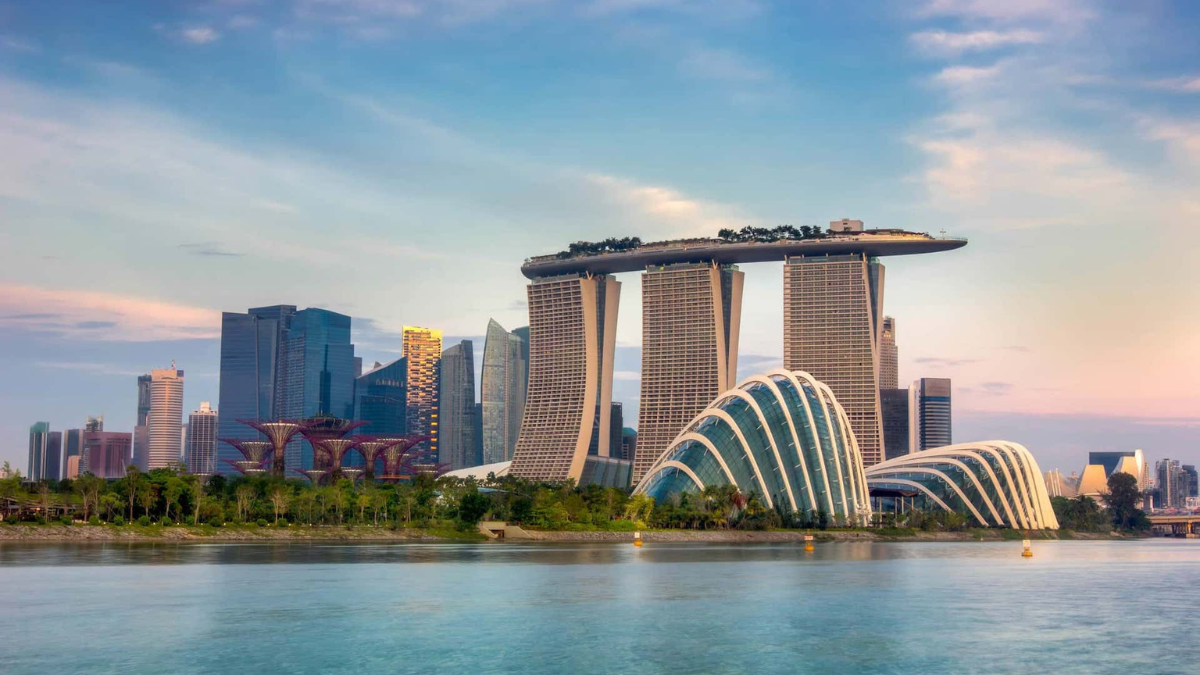
Asia is home to some of the world’s fastest-growing economies and wealthiest nations. Each country’s prosperity is shaped by its natural resources, industries, technology, and trade. In this article, we look at the richest country in Asia in 2025, based on its GDP per capita and overall economic strength, and explore the factors that contribute to its remarkable wealth.
Richest Country in Asia in 2025
In 2025, Singapore achieved the title of the richest country in Asia based on GDP per capita (purchasing power parity), with an impressive figure exceeding $153,000. What makes this achievement remarkable is that Singapore reached the top without relying on abundant natural resources like oil and gas, unlike Qatar or the UAE. Instead, it built its success on finance, international trade, advanced manufacturing, and innovation.
Singapore’s Path to Wealth
- Strong Governance and Stability: Singapore’s government is known for being efficient, transparent, and corruption-free. This stability has created a secure environment for investors and businesses, enabling long-term economic growth.
- Strategic Geographic Location: Situated between major global trade routes and close to two oceans, Singapore has one of the busiest ports in the world. This makes it a global hub for shipping and logistics.
- An Open and Competitive Economy: The country follows a pro-business approach with low taxes, free trade policies, and supportive regulations, attracting multinational companies from around the globe.
Key Pillars of Singapore’s Economic Success
- Education and Skilled Workforce: By investing heavily in world-class education, Singapore has built a highly skilled and innovative workforce, capable of driving high-tech industries and productivity.
- Global Connectivity: Strong diplomatic and trade relationships have allowed Singapore to integrate deeply into the global economy, making it a trusted partner for business and investment.
- Economic Diversification: Unlike resource-dependent nations, Singapore’s economy thrives in finance, technology, manufacturing, and tourism. This diversification reduces risks from market fluctuations.
- Modern Infrastructure: With advanced transport systems, efficient urban planning, and reliable communications, Singapore ensures smooth business operations and a high standard of living for its residents.
Why Singapore is a Global Model?
Singapore’s story is a blueprint for sustainable development. It shows how long-term planning, economic discipline, and strategic global partnerships can turn a small, resource-poor nation into an economic powerhouse.








 UNESCO World Heritage Sites of India - D...
 Jamnagar Refinery: Why India's Oil Hub M...
 UNESCO World Heritage Sites of India - D...