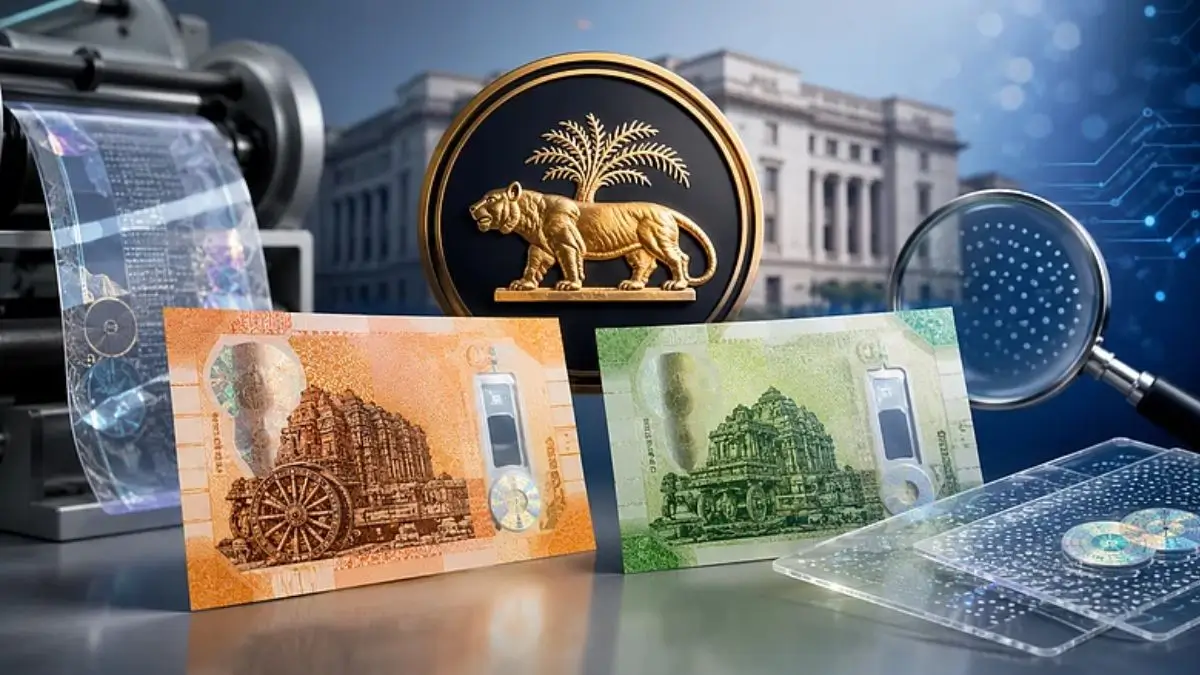
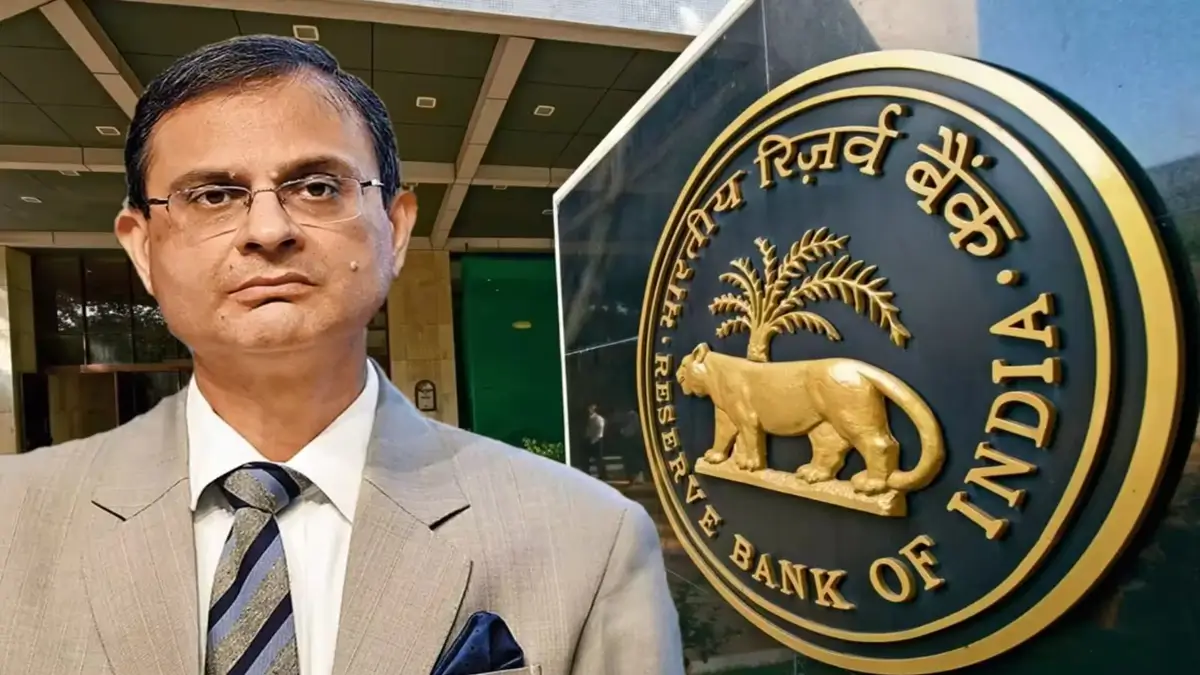
Reserve Bank of India (RBI) has stated that it is planning to start issuing polymer notes from the beginning of the fiscal year 2027-28 (FY28) provided the trials and testing process is completed successfully. According to RBI Governor Sanjay Malhotra, the Reserve Bank has already started the bidding process for the acquisition of polymer substrate and after the performance of the currency under Indian conditions it would be issued on a larger scale. This step would help in enhancing the currency management of India as well as meet the demand of the country.
RBI Launches Plan for Polymer Banknotes
In a statement following the Monetary Policy Committee (MPC) meeting, Governor of RBI, Sanjay Malhotra, stated that the central bank is in the pilot stage of the project.
As per the Governor, polymer banknotes would go through rigorous testing to understand their durability when faced with India’s varied climate conditions, high circulation rate, and existing banking system. If the pilot succeeds, the RBI may issue the first set of polymer banknotes during the beginning of FY28.
The RBI has invited a tender to purchase the polymer substrates, which serve as the base for printing polymer currency notes.
Which Banknotes Would be Launched First?
The Government of India has sanctioned the plan of issuing the polymer ₹10 and ₹20 notes on a pilot basis as suggested by the Reserve Bank of India.
Initially,
- One billion ₹10 polymer notes would be issued.
- One billion ₹20 polymer notes would also be issued.
These notes would be released for circulation as part of the field trial of their performance.
Importantly, the government has made it clear that there is no plan to issue polymer currency in place of all the existing paper money. The polymer notes would coexist with the existing paper banknotes.
What are Polymer Banknotes?
Polymer banknotes are currency bills that are printed on a tough plastic-based polymer material rather than a conventional paper material made up of cotton fibers.
This type of banknote is already in use, either partly or entirely, in almost 60 countries around the world, some of which include,
- Australia
- United Kingdom
- Canada
- New Zealand
- Vietnam
- Romania
- Singapore
Australia was the first country to use polymer currency, back in 1988.
Why is the RBI Bringing In Polymer Notes?
There are two main reasons that have been found for bringing polymer notes by the RBI.
1. Longer Life
Notes of smaller denominations like ₹10 and ₹20 get used very often and hence wear and tear quickly.
Polymer notes have a life three to four times higher than that of normal paper notes and hence the cost of printing will be reduced in the long run.
2. Increased Currency Printing Capability
With economic growth in India, there is always an increased demand for currency notes.
Thus, introducing polymer notes will aid in increasing the currency printing capability of RBI.








 Bi-monthly Monetary Policy: RBI Raises R...
 Bank of Baroda Becomes Second Public Sec...
 Anup Bagchi Appointed HDFC Bank MD and C...